

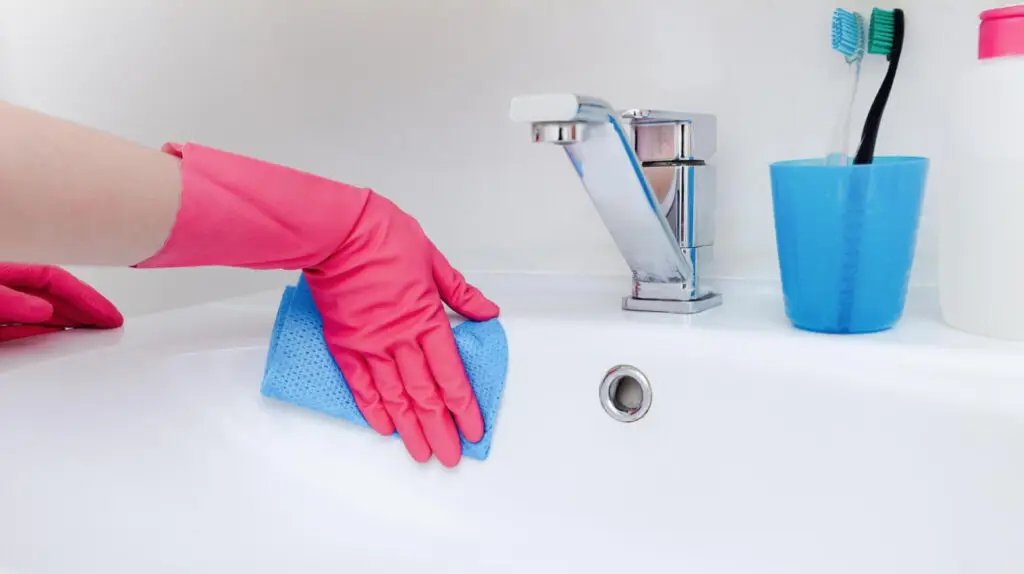
Bathroom maintenance cleaning is the habit of keeping a bathroom clean between deeper cleaning days. It focuses on small daily and weekly tasks that prevent soap scum, odors, mineral buildup, stained grout, and moisture problems from becoming harder to fix.
A bathroom does not need to be scrubbed from top to bottom every day. However, it does need consistent care. With the right bathroom maintenance cleaning routine, homeowners can keep surfaces fresher, protect fixtures, reduce buildup, and make every deeper clean easier.
What is bathroom maintenance cleaning?
Bathroom maintenance cleaning means cleaning and drying key bathroom surfaces before dirt, moisture, and residue become difficult to remove. The most useful habits are wiping sinks daily, drying shower areas, ventilating after showers, cleaning toilets weekly, washing towels often, and checking grout, caulk, drains, and corners for early signs of buildup.
A good routine includes small daily resets, weekly cleaning tasks, monthly checks, and occasional deeper cleaning when regular maintenance is no longer enough.
Why bathroom maintenance cleaning matters
Bathroom maintenance cleaning matters because bathrooms collect moisture every day. Showers, baths, sinks, toilets, towels, and cleaning products all add water, residue, and organic material to the room.
When moisture stays on surfaces, it can lead to mineral spots, soap scum, musty odors, mildew-like staining, and damage around grout or caulk. In humid climates, the problem can happen faster because surfaces take longer to dry.
Preventive maintenance helps avoid that cycle. Instead of waiting until the bathroom looks dirty, you remove small amounts of residue before they become a larger cleaning problem.
A practical bathroom maintenance cleaning routine can help with:
- Less soap scum on shower walls and doors
- Fewer hard water spots on faucets and glass
- Better odor control
- Cleaner grout lines
- Fresher towels and bath mats
- Shorter weekly cleaning sessions
- Less buildup around drains and fixtures
- A bathroom that feels cleaner between deep cleaning days
The goal is not perfection. The goal is consistency.
Daily bathroom maintenance cleaning habits
Daily bathroom maintenance cleaning should be simple enough to repeat. If the routine feels too long, most people will not follow it.
The best daily habits take only a few minutes.
Wipe the sink and faucet
Sinks collect toothpaste, soap, hair, makeup, shaving residue, and water spots. A quick wipe after morning or evening use can prevent buildup around the faucet and drain.
Focus on:
- Faucet handles
- The sink bowl
- The counter around the sink
- The area behind the faucet
- Visible toothpaste or soap marks
This small habit keeps the vanity cleaner and prevents sticky residue from hardening.
Dry wet surfaces when possible
Standing water is one of the main reasons bathrooms develop spots, odors, and buildup. After a shower, use a squeegee or towel on glass doors, tile walls, and ledges when possible.
You do not need to dry every inch. Focus on areas where water sits the longest:
- Shower corners
- Door tracks
- Tub edges
- Tile ledges
- Faucet bases
- Countertops near sinks
Drying surfaces is one of the most effective bathroom maintenance cleaning tips because it reduces the conditions that allow grime to build.
Run the bathroom fan
Ventilation helps moisture leave the room. Run the exhaust fan during showers and keep it running for a short period after the shower ends.
If the bathroom does not have a fan, open the door or a window when possible. Better airflow helps mirrors, tile, towels, and grout dry faster.
The EPA explains that moisture control is important for reducing mold risk inside the home. Keeping bathrooms dry is a practical part of that prevention.
Do a quick odor check
Odors often appear before visible dirt. A quick daily check can help you catch problems early.
Common sources include:
- Damp towels
- Dirty bath mats
- Trash bins
- Drains
- Toilet base areas
- Poor ventilation
- Standing water near the shower
If an odor keeps returning, cleaning may not be enough. It may signal a drain issue, moisture problem, leak, or dirty textile that needs washing.
Weekly bathroom cleaning tasks
Weekly cleaning removes residue that daily wiping cannot fully control. This is where bathroom maintenance cleaning becomes more structured.
Set a weekly routine that covers the toilet, shower, tub, sink, mirror, floors, and high-touch areas.
Clean the toilet completely
Do not clean only the toilet bowl. A complete weekly toilet cleaning should include:
- Bowl and under-rim area
- Seat and lid
- Flush handle
- Exterior tank
- Toilet base
- Hinges
- Floor around the toilet
The floor near the toilet base is often missed. In real homes, this area can collect dust, hair, urine residue, mop water, and odor. Cleaning it weekly helps prevent smells that return even after the bowl looks clean.
Scrub the shower and tub
Showers and tubs collect soap, shampoo, conditioner, body oils, minerals, and skin residue. If they are not cleaned weekly, soap scum can become harder to remove.
For weekly maintenance:
- Rinse loose residue first
- Use a cleaner that is safe for the surface
- Scrub corners and ledges
- Pay attention to grout lines
- Rinse well
- Dry glass or smooth surfaces when possible
Avoid harsh products on delicate stone, specialty tile, or recently sealed surfaces. When in doubt, test a small area first.
Clean mirrors and counters
Mirrors and counters affect how clean the bathroom feels. Water spots, fingerprints, toothpaste, and dust can make the room look neglected even when the floor and toilet are clean.
Clean mirrors with a glass-safe product or microfiber cloth. Wipe counters after removing personal items, then return only what needs to stay out.
Too many products on the counter make maintenance harder. Keep daily-use items organized in a tray, drawer, or cabinet.
Mop the floor
Bathroom floors collect hair, dust, water, towel lint, and residue from shoes or bare feet. Sweep or vacuum first, then mop.
Pay extra attention to:
- Corners
- Behind the door
- Around the toilet
- Under the vanity edge
- Near the shower or tub
If the floor still looks dull after mopping, it may have product buildup. Use less cleaner next time and rinse according to the product instructions.
Monthly bathroom maintenance checks
Monthly checks help prevent small problems from becoming expensive repairs or difficult cleaning projects.
These tasks do not need to happen every week, but they should not be ignored.
Check grout and caulk
Grout and caulk are easy to overlook. They protect areas where water can enter seams, corners, and edges.
Once a month, look for:
- Cracks
- Gaps
- Dark staining
- Soft or peeling caulk
- Loose grout
- Moisture that does not dry
- Recurring mildew-like marks
Cleaning can improve the surface, but it cannot repair damaged caulk or grout. If water is getting behind the surface, the material may need maintenance or repair.
Clean vents and fan covers
Dust on the bathroom fan cover can reduce airflow. If the fan does not move moisture well, the bathroom stays damp longer.
Wipe the vent cover monthly or vacuum it with a soft brush attachment. If the fan is noisy, weak, or not working, it may need repair.
Wash bath mats and shower curtains
Bath mats hold moisture. Fabric shower curtains and liners can also collect soap residue and mildew-like stains.
Wash bath mats regularly and let them dry fully between uses. Check shower curtain liners monthly. Replace them when stains, odors, or buildup no longer improve with cleaning.
Inspect drains
Slow drains are a warning sign. Hair, soap, and product residue can collect inside bathroom drains over time.
Watch for:
- Standing water in the shower
- Sink water draining slowly
- Gurgling sounds
- Odors from the drain
- Frequent clogs
Remove visible hair from drain covers. Avoid mixing drain chemicals, and follow product labels carefully if you use any drain treatment. Persistent drain issues may need a plumber.
Common bathroom maintenance cleaning mistakes
Many bathroom problems come from habits that seem harmless. Avoiding these mistakes can make your cleaning routine more effective.
Using too much cleaner
More product does not always mean better results. Too much cleaner can leave residue that attracts dirt or makes floors sticky.
Use the amount recommended on the label. Rinse when the product instructions require it.
Mixing cleaning products
Never mix cleaning products unless the label says it is safe. Some combinations can create dangerous fumes.
This is especially important with bleach, ammonia, acids, toilet bowl cleaners, and drain cleaners. The CDC recommends reading and following product labels when cleaning and disinfecting at home.
Ignoring drying time
A bathroom may look clean but still stay damp. If towels, mats, grout, and shower corners remain wet, odors and staining can return quickly.
Ventilation and drying are part of cleaning, not optional extras.
Cleaning around clutter
Cleaning around bottles, brushes, razors, towels, and products leaves residue behind. Once a week, move items before wiping counters, tub ledges, and shower shelves.
This prevents rings, sticky spots, and hidden grime.
Waiting for visible stains
If you wait until stains appear, cleaning usually takes longer. Bathroom maintenance cleaning works best before the problem is obvious.
A few minutes of prevention can save a long scrubbing session later.
Frequency guide for bathroom maintenance cleaning
The right frequency depends on how many people use the bathroom, how much ventilation it has, and how quickly buildup appears.
Use this simple schedule as a starting point.
Daily
- Wipe the sink and faucet
- Hang towels to dry
- Run the fan after showers
- Remove standing water
- Pick up clothes and bath mats
- Empty visible trash if needed
Weekly
- Clean the toilet fully
- Scrub the shower or tub
- Clean mirrors
- Wipe counters and cabinet fronts
- Mop the floor
- Sanitize high-touch areas
- Wash towels
Monthly
- Check grout and caulk
- Clean fan covers and vents
- Wash bath mats
- Inspect drains
- Clean under organizers
- Review products and remove clutter
Seasonally
- Deep clean grout and corners
- Replace worn liners or mats
- Check for leaks under sinks
- Review ventilation problems
- Remove mineral buildup from fixtures
- Reorganize cabinets
This schedule can be adjusted. A guest bathroom may need less attention, while a shared family bathroom may need more.
Signs your bathroom routine is not working
Sometimes a bathroom cleaning routine looks good on paper but does not work in real life. The signs usually appear slowly.
Your bathroom maintenance cleaning routine may need improvement if:
- Odors return within a day
- Grout lines keep getting darker
- Shower glass stays cloudy
- Towels smell musty after drying
- The toilet area smells after cleaning
- The floor feels sticky
- Mold-like stains return quickly
- Drains smell or slow down often
- The bathroom feels damp for hours
- You need heavy scrubbing every week
These signs do not always mean the bathroom is dirty. They may point to ventilation, moisture, product residue, drainage, or maintenance problems.
Start by improving airflow, reducing standing water, washing textiles more often, and cleaning hidden areas. If the problem continues, inspect for leaks, damaged grout, or poor ventilation.
Bathroom maintenance cleaning in humid climates
Humid climates require more attention to drying and airflow. In places like South Florida, bathrooms may stay damp longer after showers, especially in smaller rooms or bathrooms without strong ventilation.
Humidity can affect:
- Shower corners
- Grout lines
- Bath mats
- Towels
- Vanity cabinets
- Baseboards
- Mirrors
- Window areas
In humid homes, the most helpful bathroom maintenance cleaning tips are simple:
- Run the fan longer after showers
- Keep towels spread out, not bunched up
- Wash bath mats more often
- Dry shower doors and ledges
- Leave the bathroom door open when possible
- Watch cabinet areas near plumbing
- Fix leaks quickly
Moisture control is the foundation of bathroom maintenance. Without it, cleaning results do not last as long.
Preventive bathroom checklist for busy homes
Busy households need routines that are realistic. A long checklist may sound helpful, but it often fails because nobody has time to follow it.
Use this simplified system.
The 3-minute daily reset
- Hang towels.
- Wipe the sink.
- Clear the counter.
- Dry obvious water spots.
- Open the door or run the fan.
The 20-minute weekly clean
- Clean the toilet.
- Scrub the shower or tub.
- Wipe the sink and counter.
- Clean the mirror.
- Sanitize handles and switches.
- Sweep and mop the floor.
- Replace towels.
The monthly inspection
- Look at grout and caulk.
- Check drains.
- Wash mats and liners.
- Clean the fan cover.
- Remove expired or unused products.
- Check under the sink for moisture.
This routine keeps bathroom maintenance cleaning manageable without turning it into a major project.
When regular maintenance is not enough
Bathroom maintenance cleaning prevents many problems, but it does not solve everything. Some situations require deeper cleaning, repair, or a different approach.
Maintenance may not be enough when:
- There is heavy mineral buildup
- Grout is deeply stained
- Caulk is cracked or peeling
- Mold-like growth returns quickly
- There is a persistent drain odor
- Water leaks under the sink
- Shower glass has long-term hard water damage
- The bathroom has not been cleaned in a long time
In these cases, use maintenance as support after the main issue is corrected. For example, a more detailed cleaning can reset neglected buildup, while drying and ventilation help keep the results from fading quickly.
For context, homeowners can compare this preventive routine with a broader bathroom cleaning service page or a more detailed deep cleaning services page when regular maintenance is no longer enough. For a specific shower issue, the guide on how to clean glass shower doors can support a more focused routine.
Frequently asked questions
What is bathroom maintenance cleaning?
Bathroom maintenance cleaning is a preventive routine that keeps bathroom surfaces clean between deeper cleaning days. It includes wiping sinks, drying shower areas, cleaning toilets, washing towels, improving airflow, and checking for early signs of moisture or buildup.
How often should I clean my bathroom?
Most bathrooms need small daily habits and a weekly cleaning session. High-use bathrooms, shared bathrooms, and humid bathrooms may need more frequent attention, especially around showers, toilets, towels, and floors.
What should I clean every day in the bathroom?
Daily tasks should be simple. Wipe the sink, dry standing water, hang towels, remove clutter, and run the fan after showers. These habits help prevent odors, water spots, and soap residue.
How do I prevent soap scum?
Dry shower walls and glass after use, clean shower surfaces weekly, use proper ventilation, and avoid letting residue sit too long. Soap scum becomes harder to remove when it builds layer by layer.
Why does my bathroom smell even after cleaning?
Common causes include damp towels, dirty bath mats, drain buildup, poor ventilation, residue around the toilet base, hidden moisture, or a slow leak. If odors return quickly, look beyond visible surfaces.
How can I keep grout cleaner longer?
Dry shower areas, clean grout weekly with a safe product, improve ventilation, and avoid letting soap residue sit. If grout is cracked, loose, or deeply stained, cleaning may not be enough.
Should I use disinfectant every time I clean?
Not always. Clean visible dirt and residue first, then disinfect high-touch or high-risk surfaces when needed. Always follow the product label and avoid mixing cleaners.
What is the easiest bathroom maintenance routine?
The easiest routine is a daily 3-minute reset, a weekly 20-minute clean, and a monthly inspection. This keeps the bathroom manageable without waiting for heavy buildup.
Keep bathroom maintenance simple and consistent
Bathroom maintenance cleaning works best when it becomes part of normal home care. Small habits, repeated often, protect surfaces better than occasional heavy scrubbing.
Start with the basics: remove standing water, improve airflow, clean the toilet weekly, wash towels often, and check grout, caulk, drains, and corners before problems grow. A bathroom that receives steady care is easier to clean, more comfortable to use, and less likely to develop stubborn buildup.
Use this guide as a practical routine, not a strict rulebook. Adjust the schedule based on how your bathroom is used, how humid your home is, and how quickly residue returns.