

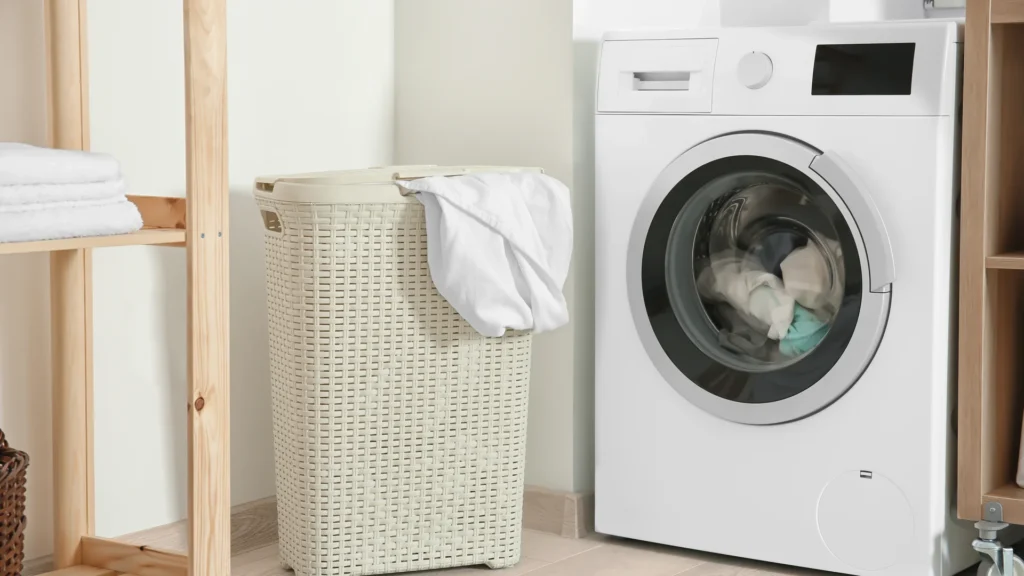
You run a full wash cycle and pull out clothes that smell worse than before they went in. The washing machine mildew odor is one of the more frustrating laundry problems homeowners deal with, especially because the solution is not always obvious.
The smell is not coming from your detergent, your water, or your clothing. It is coming from inside the machine itself, from mold and bacteria that have colonized the gasket, the drum interior, the detergent drawer, or the drain filter. In South Florida, where indoor humidity rarely drops below 60%, those conditions develop faster and persist longer than in most other climates.
The good news is that washing machine mildew odor is completely fixable.
Washing machine mildew odor comes from mold and bacteria in the door gasket, detergent drawer, and drum. Clean the gasket with vinegar or diluted bleach, run a hot cleaning cycle monthly, and leave the door open after every load. That combination eliminates the smell and prevents it from returning. It requires cleaning specific components in the right order, and then building a few habits that interrupt the conditions that allowed it to develop.
What causes washing machine mildew odor?
Mildew odor in a washing machine develops when three things are present at once: moisture, a food source for mold (detergent residue, fabric softener, lint), and limited air circulation. Every washing machine has all three. The question is whether they combine long enough to allow mold colonies to establish.
The main causes in residential machines:
Excess detergent. This is the most common and most controllable factor. High-efficiency (HE) front-loaders use significantly less water per cycle than older machines. When standard detergent or too much HE detergent is used, the reduced water volume cannot rinse it away completely. The leftover residue builds up on drum walls, the gasket, and the dispenser, and mold feeds on it directly.
Closed door between washes. When the door is closed after a cycle, the interior does not dry. In a low-humidity climate, residual moisture might evaporate on its own. In South Florida, it does not. The drum and gasket stay damp indefinitely, which is exactly the condition mold needs.
Front-loader gasket design. The rubber door seal on front-loading machines has deep folds that trap water, lint, hair, and residue after every cycle. According to Consumer Reports, front-loaders are consistently more prone to mildew odor than top-loaders for this reason. The design creates a warm, enclosed, persistently damp environment.
Low-temperature wash cycles. Cold and warm cycles are energy-efficient and gentle on fabrics, but they do not kill bacteria or dissolve detergent buildup the way hot water does. Machines used exclusively on cold cycles accumulate residue faster and benefit most from periodic hot cleaning cycles.
Clogged drain filter. Front-loaders have a drain filter near the base of the machine that traps coins, lint, and small debris. When it is not cleaned regularly, it becomes a bacterial source that contributes to the mildew smell throughout the drum.
Step 1: Clean the rubber door gasket
The gasket is almost always the primary odor source in a front-loading washing machine. Professional appliance cleaners who service homes regularly note that the gasket is the most frequently skipped component during routine cleaning, and the one that makes the most difference when addressed properly.
Pull back the rubber fold completely and examine the interior. Black or dark brown spotting is mold. Standing water in the lowest fold is stagnant residue. Both are present in most machines that have not been cleaned in more than a few weeks.
To clean it:
- Dampen a cloth with undiluted white vinegar or a diluted bleach solution (one tablespoon of bleach per cup of water).
- Wipe every surface inside the fold, working methodically around the full circumference.
- Use an old toothbrush to reach the area where the rubber meets the drum opening.
- For heavy mold, apply the solution and let it sit for 10 to 15 minutes before scrubbing.
- Wipe dry with a clean cloth.
Leave the door open for at least one hour after cleaning to allow the gasket to dry before the next cycle.
Step 2: Clean the detergent drawer
Remove the drawer completely by pressing the release tab, which is usually labeled inside the drawer itself. Rinse under warm water to soften dried detergent, then scrub each compartment with a toothbrush and dish soap.
The fabric softener compartment is typically the most residue-heavy. Liquid softener leaves a sticky film that ferments over time and contributes directly to washing machine mildew odor.
Also wipe the drawer cavity inside the machine. The upper and rear surfaces of that opening stay in contact with detergent vapors and moisture during every cycle and accumulate mold in areas that are easy to overlook.
Allow the drawer to dry on the counter before returning it to the machine.
Step 3: Run a cleaning cycle
Most modern machines have a dedicated Tub Clean or Self-Clean cycle. Use it with a washing machine cleaning tablet (Affresh is widely available) or two cups of white vinegar poured directly into the drum.
If your machine does not have a dedicated cleaning cycle, select the hottest and longest wash setting and run it empty with the cleaner.
For sanitizing with bleach: add half a cup of liquid chlorine bleach to the bleach dispenser and run a hot cycle. Do not combine bleach and vinegar in the same cycle. They neutralize each other and produce chlorine gas in an enclosed space.
After the cycle, wipe down the drum interior with a microfiber cloth to remove loosened residue before it redeposits.
Step 4: Clean the drain filter (front-loaders)
Many front-loaders have a small access panel near the base of the machine that covers the drain filter. If yours does, this step matters.
Locate the panel and open it. Place a shallow tray or folded towels on the floor beneath the opening because residual water will drain out when you remove the cap. Unscrew the filter cap slowly and pull the filter out.
Rinse it under running water, scrub off any debris or slime with a brush, and reinstall securely. If the filter has not been cleaned in a long time, it may smell strongly enough to be the primary odor source rather than the gasket.
Check your machine’s manual for the exact location and removal procedure, as it varies by brand and model.
How to prevent washing machine mildew odor from returning
Cleaning the machine addresses existing odor. Preventing recurrence requires changing the conditions that allowed it to develop.
Leave the door open after every cycle. This is the single most effective prevention habit. Even a few inches of gap allows the drum and gasket to dry between uses. In South Florida’s humidity, a closed door means a perpetually damp machine.
Remove laundry immediately when the cycle ends. Wet clothes sitting in a sealed drum for hours create the same warm, damp environment that mold thrives in. The U.S. Consumer Product Safety Commission notes that wet laundry left in a closed drum can develop mildew on its own, which then transfers to the drum walls.
Use the right amount of HE detergent. For HE machines, use HE-designated detergent only, in the amount specified for your load size. The recommended amount is usually less than you would expect. Excess detergent is the most controllable contributor to washing machine odor.
Run a monthly cleaning cycle. An empty hot cycle once a month dissolves residue, kills bacteria, and resets the drum to a clean baseline. This habit alone prevents most recurrence in machines that have been cleaned once properly.
Wipe the gasket dry after the last load of the day. Takes under 30 seconds. Removes the standing water from the gasket fold that would otherwise sit until the next morning.
Top-loading machines: does washing machine mildew odor happen there too?
Top-loaders develop mildew odor less frequently than front-loaders because they do not have a rubber door gasket trapping moisture. However, the agitator column, the area beneath it, and the underside of the lid all accumulate detergent residue and lint that can produce a mildew smell over time.
For top-loaders, the cleaning process is simpler. Run a hot cleaning cycle with vinegar or a cleaning tablet. Wipe down the lid seal, the inside of the lid, and the top rim of the drum. Check the underside of the lid near the hinges, which collects lint and moisture in a spot most users never examine.
The same prevention principle applies: leave the lid open between uses.
When washing machine mildew odor persists after cleaning
If the odor returns within a few days after following all the steps above, the mold may have penetrated into components not reachable through standard cleaning.
The drum bearing seal, internal hoses, and the area around the pump housing can all harbor mold in machines with long-term odor issues. At that point, a technician inspection is the appropriate next step to determine whether a specific component needs replacement.
The door gasket itself can be replaced on most front-loader models and is worth considering for machines where the existing gasket has visible mold that has not responded to cleaning attempts.
If the machine is more than eight to ten years old and the odor has been present for a long time, replacement may be more practical than ongoing service work.
Washing machine mildew odor and indoor air quality
Mold in a washing machine does not stay confined to the machine. Spores become airborne during wash cycles and whenever the door is opened. In a South Florida home where windows are often closed and air conditioning recirculates indoor air, laundry room mold can affect the air quality in adjacent spaces.
The EPA’s guidance on indoor mold identifies mold as a significant indoor air quality concern, with potential effects ranging from nasal irritation to respiratory symptoms in sensitive individuals. Addressing washing machine mildew odor is not only about laundry results. It is a meaningful part of maintaining healthy indoor air.
If your home needs a broader clean that includes the laundry room, deep cleaning services in South Florida address appliance areas, surfaces behind and beneath machines, and the spaces that standard cleaning routines skip.
Frequently asked questions
Why does washing machine mildew odor return even after cleaning? If odor persists after cleaning the gasket, drawer, and running a hot cycle, check the drain filter. It is the most commonly missed component and can be a strong odor source on its own. Also verify that you are using HE detergent in the correct amount.
Can I use bleach and vinegar together to clean my washing machine? No. Mixing bleach and vinegar produces chlorine gas. Use one or the other in separate cleaning cycles, never together.
How often should I clean my washing machine? Run a cleaning cycle monthly. Clean the gasket and detergent drawer every two to four weeks, or more often if odor develops sooner. Clean the drain filter every one to two months.
Is washing machine mildew odor worse in South Florida than other states? Yes. The combination of year-round warmth and elevated indoor humidity means moisture inside the machine does not evaporate between cycles the way it would in a drier climate. South Florida homeowners need to be more consistent with prevention habits than those in low-humidity regions.
My clothes smell fine going in but smell musty coming out. Is the machine definitely the source? In most cases, yes. If the drum has mold or bacteria colonizing the gasket or drum walls, those organisms transfer to clothing during the wash cycle. Cleaning the machine thoroughly and running an empty hot cleaning cycle before the next laundry load usually resolves it within one to two washes.