

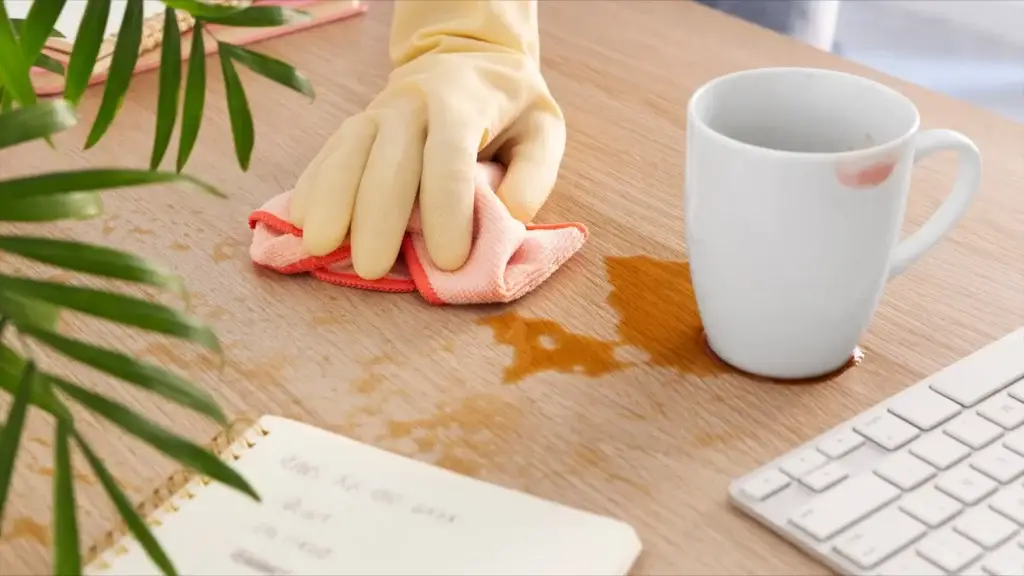
Not all stains respond to the same treatment. Using the wrong product on the wrong stain can set it permanently, spread it further, or damage the surface you are trying to protect.
The key to effective stain removal is knowing what caused the stain and choosing the right stain remover for that specific type of soil. This guide covers eight of the most common and most stubborn household stains, with the best method for each one, including what to avoid.
Why the wrong stain remover makes things worse
Before getting into specific stains, it is worth understanding why product selection matters so much. Stains fall into two broad categories: protein-based stains (blood, sweat, food) and tannin or dye-based stains (coffee, wine, grass). Heat sets protein stains permanently. Bleach can spread tannin stains and damage colored fabrics.
In addition, the surface matters as much as the stain type. What works on cotton is not always appropriate for microfiber, upholstery, carpet, or hard surfaces. Therefore, reading the care label on fabric and testing any product in a hidden area first is always the right first step.
South Florida’s heat also speeds up the setting process. Because temperatures are consistently high year-round, a stain that might have more time before setting in a cooler climate can become permanent in a matter of hours here. Acting quickly is always the most effective stain remover strategy available.
1. Blood stain remover: cold water is the most important rule
Blood is a protein-based stain. The single most important rule is to use cold water only — never warm or hot. Heat causes the proteins in blood to coagulate and bond permanently to fabric fibers.
For fresh blood, rinse immediately under cold running water to flush out as much as possible. Then apply a paste of cold water and salt directly to the stain. Salt draws liquid out of the fabric. Leave it for a few minutes and rinse again.
For set blood stains, an enzyme-based stain remover is the most effective option. Enzymes break down the protein structure of blood without heat. Apply it generously, allow it to dwell for fifteen to thirty minutes, then wash in cold water.
Hydrogen peroxide (3%) is an effective blood stain remover for white or light-colored fabrics. Apply it directly to the stain, let it bubble, and rinse with cold water. However, test it on colored fabrics first because peroxide can bleach dyes.
2. Coffee stain remover: speed and acidity
Coffee stains set quickly, especially in South Florida’s heat. The faster you act, the easier the removal.
Blot the stain immediately with a clean cloth to absorb as much liquid as possible. Never rub, rubbing spreads the stain and pushes it deeper into the fabric. After blotting, rinse with cold water from the back of the fabric to push the stain out rather than in.
For cotton and washable fabrics, a mixture of white vinegar and dish soap is one of the best coffee stain removers available. Apply the mixture, work it in gently with a soft brush, and let it sit for five minutes before rinsing.
For carpet or upholstery, blot with cold water first, then apply a commercial upholstery cleaner or a diluted dish soap solution. Rinse by blotting with a clean damp cloth. Never saturate carpet or upholstery with liquid.
A key thing to avoid: do not use hot water on coffee stains. The heat sets the tannins in coffee into the fabric, turning what was a manageable stain into a permanent one.
3. How to remove chocolate stains
Chocolate stains contain fat, sugar, and protein, which means they require a multi-step approach to remove completely.
Start by letting the chocolate firm up or freeze if it is still soft. Scrape off as much solid material as possible with a dull knife or the edge of a spoon before applying any liquid. Trying to treat a chocolate stain while it is still melted smears it further.
After removing the solid, apply cold water to dilute what remains. Then use a dish soap solution (a few drops of liquid dish soap in cold water) applied with a soft brush to break down the fat component. Work gently from the outside of the stain toward the center to avoid spreading.
For stubborn chocolate residue on fabric, an enzyme cleaner handles the protein component effectively. Apply it after the dish soap step and let it dwell before rinsing.
As a result of the fat content in chocolate, avoid hot water here as well. Heat melts the fat and drives it deeper into fabric fibers.
4. Sweat stain remover: address the yellowing, not just the odor
Sweat stains on shirts are a common problem, and in South Florida’s climate, they develop faster than almost anywhere else. The yellow discoloration associated with sweat stains is not from the sweat itself — it forms when sweat proteins combine with the aluminum compounds in antiperspirant deodorant.
For fresh sweat odor with no yellowing, cold water and a normal wash cycle with an enzyme detergent handles it effectively.
For yellow underarm stains, a paste of baking soda and hydrogen peroxide (3%) applied to the stain and allowed to sit in sunlight for one to two hours is one of the most effective natural stain removers available. The combination of peroxide and UV light breaks down the oxidized compounds causing the yellowing.
Commercial products like OxiClean, which use sodium percarbonate (an oxygen-based bleach), are also highly effective on sweat stains and safe for most colored fabrics. Apply according to the product instructions and allow adequate soak time – at least thirty minutes for set stains.
Avoid chlorine bleach on sweat stains. It reacts with the proteins in sweat and can worsen the yellowing rather than remove it.
5. Wood stain remover: matching the product to the finish
Wood stains are a different category from fabric stains because the surface is solid and has a protective finish. The approach depends entirely on what caused the stain and what type of finish the wood has.
For water rings on finished wood furniture, rub a small amount of non-gel toothpaste or a paste of equal parts baking soda and white toothpaste into the ring using a soft cloth, following the grain of the wood. The mild abrasive in toothpaste removes the haze left in the finish without scratching it.
For grease stains on wood, apply a small amount of dish soap directly to the spot and work it in gently. Rinse with a barely damp cloth and dry immediately. Do not leave moisture on wood surfaces.
For dark stains that have penetrated a bare or damaged wood finish, oxalic acid-based wood stain removers are the professional-grade solution. These are available at hardware stores and work by bleaching the stain within the wood fiber. Follow the product instructions carefully and refinish the area afterward.
For sealed or polyurethane-finished wood floors, most surface stains respond to a damp cloth and mild dish soap. Avoid vinegar on polyurethane finishes. The acidity can dull the protective layer over time.
6. Mattress stain remover: the enzyme approach
Mattress stains typically involve body fluids (sweat, urine, or blood) which means enzyme cleaners are the most effective stain remover for this surface.
Apply the enzyme cleaner generously to the stained area and cover loosely with a towel to slow evaporation. Allow it to work for at least one to two hours. The enzymes need time to break down the biological compounds in the stain.
After the dwell time, blot the area firmly with a clean dry cloth to absorb the liquid. Then apply baking soda to cover the treated area and let it sit for several hours to absorb remaining moisture and odor. Vacuum the baking soda away completely before remaking the bed.
Because mattresses cannot be saturated with liquid, apply all products sparingly and in thin layers. The goal is to treat the stain, not soak the mattress. Excess moisture in a mattress leads to mold growth inside the foam, which is a much larger problem than the original stain.
7. How to remove pet stains from carpet and upholstery
Pet stains combine biological soil with strong odor compounds. The odor is the harder problem: it requires complete removal of the odor source, not just the visible stain. Masking products do not work because the odor molecules remain in the fabric and continue to attract pets back to the same spot.
Enzyme cleaners are, again, the most effective stain remover for pet stains. They break down the uric acid crystals in pet urine that cause the persistent odor. Apply the enzyme cleaner according to the product instructions, covering the entire stained area including a few inches beyond the visible mark.
For carpet, lay a clean dry towel over the treated area and apply light pressure to help absorb the liquid as it is drawn up. Replace the towel when it is saturated and repeat until the area is nearly dry.
Avoid steam cleaning pet stains before treating them with enzyme cleaner. Heat sets the proteins and can make the odor permanent. Treat first, then clean.
8. Removing soap scum and hard water stain buildup in South Florida
This category is not a fabric stain. But it is one of the hardest home cleaning problems in South Florida. Hard water deposits affect every wet surface in the home.
Hard water stains form when water evaporates and leaves calcium and magnesium carbonate behind. These mineral deposits appear as white or yellowish buildup around faucets, on shower glass, along the toilet waterline, and on tile surfaces.
The most effective stain remover for hard water deposits is an acidic agent. White vinegar applied directly to the stain and allowed to sit for fifteen to thirty minutes dissolves the calcium carbonate without damaging most bathroom surfaces. For heavier buildup, a commercial lime and rust remover with citric or phosphoric acid provides more concentrated action.
For shower glass with heavy hard water staining, apply a paste of baking soda and vinegar to the glass, let it sit for ten to fifteen minutes, then scrub gently with a non-scratch pad. This combination provides both chemical and mild mechanical action against the deposit.
Avoid using vinegar on natural stone surfaces such as marble or travertine. The acidity etches the stone and causes permanent damage. Use a pH-neutral cleaner specifically formulated for stone surfaces instead.
When professional stain removal is the right choice
Some stains and some surfaces are beyond what household products and techniques can address. Large area carpet stains, upholstered furniture with embedded pet odors, or hard water buildup that has accumulated for years are all situations where professional cleaning delivers better results with less risk of surface damage.
Deep cleaning services address the surfaces and buildup that regular cleaning cannot fully reach. For specific stain concerns on carpets, upholstery, or tile and grout, professional equipment and products make a real difference in the outcome.
The most important stain removal principle
Act fast, use cold water on protein-based stains, blot rather than rub, and match your stain remover to the stain type and surface. These four principles handle the majority of household stain situations before they become permanent.
When in doubt, enzyme cleaners are the most versatile option for biological stains, and white vinegar handles most mineral and tannin-based problems. Keep both on hand and you are prepared for most of what a South Florida household will throw at you.