

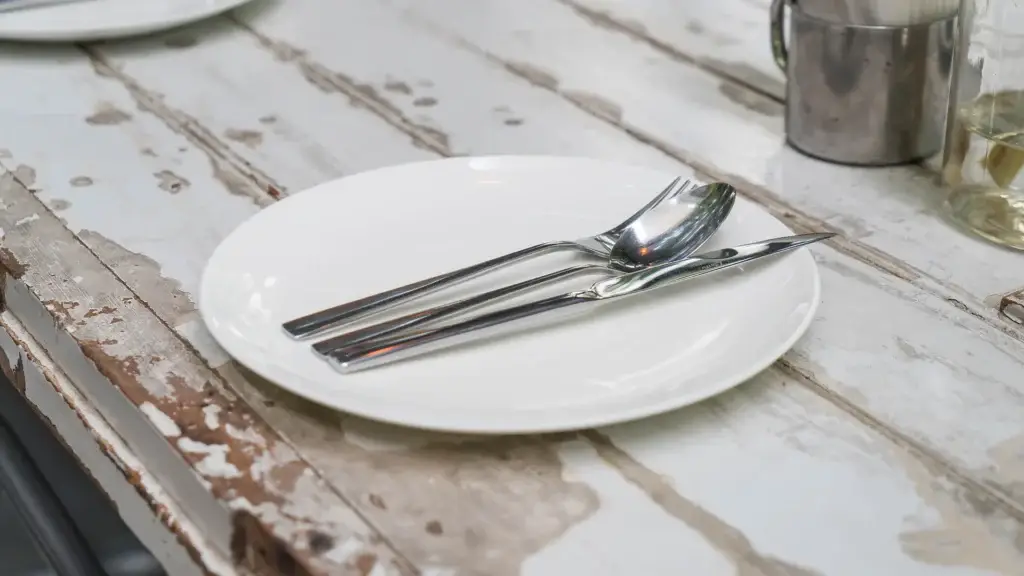
Tarnished silverware is not ruined silverware. That dark, yellowish, or black coating is a chemical reaction, not permanent damage. With the right method, you can polish silverware at home and restore the original brightness without scratching the metal or risking the piece.
The challenge when you need to polish silverware is picking the right method for what you have. A light tarnish on a sterling teaspoon responds to something different than heavy oxidation on silver-plated serving pieces that have sat in a drawer for five years. Using the wrong approach either wastes effort or removes more than just the tarnish.
This guide covers four practical methods to polish silverware at home, ranked from gentlest to most aggressive, what not to use, and how to store silverware so the results last.
For most silverware, the baking soda and aluminum foil method removes tarnish fastest without scrubbing. Toothpaste works for light tarnish and silver-plate. Commercial silver polish is best for heavily tarnished sterling. Dish soap and warm water maintains pieces that were recently polished.
Why silverware tarnishes
Silver reacts with hydrogen sulfide gas in the air. The reaction produces silver sulfide on the surface, a compound that appears dark brown to black depending on concentration. This is tarnish.
The rate depends on three factors: the silver content of the piece, ambient humidity, and what the silverware is stored near. Sterling silver (92.5% silver) tarnishes more slowly than silver-plated base metal because the silver layer is thicker and more stable.
High humidity accelerates the reaction significantly. In South Florida, silverware tarnishes faster than in most other parts of the country because the air contains more moisture year-round, which carries the hydrogen sulfide compounds that react with silver.
Materials that accelerate tarnishing on contact include: rubber (including rubber bands and rubber-lined drawer inserts), wool, many plastics, latex gloves, and sulfur-containing foods like eggs, mustard, and mayonnaise. Keeping silverware away from these materials between uses slows tarnish formation between polishing sessions.
Method 1: Baking soda and aluminum foil
This is the most efficient way to polish silverware with heavy or even moderate tarnish. It works through an electrochemical reaction that transfers the silver sulfide from the silverware to the aluminum foil, rather than physically scrubbing it off.
What you need:
- A glass or plastic container (not metal)
- Aluminum foil
- Baking soda (1 tablespoon per cup of water)
- Hot water (not boiling)
Steps:
- Line the container with aluminum foil, shiny side facing up.
- Arrange the silverware so each piece is in direct contact with the foil.
- Pour in enough hot water to submerge all pieces.
- Add the baking soda and stir briefly to dissolve.
- Let the reaction run for 5 to 10 minutes. Tarnish will visibly migrate from the silver to the foil.
- Remove each piece, rinse thoroughly under warm water, and dry immediately with a soft cloth.
For very heavy tarnish, repeat with fresh solution. Adding a small amount of table salt alongside the baking soda increases electrical conductivity and speeds the reaction.
This method is safe for sterling silver but too aggressive for silver-plated items with very thin plating, antique pieces with intentional patina, or items with gemstone or enamel inlay. Use method 2 or 3 for those.
Method 2: Toothpaste
Plain white toothpaste works as a mild abrasive that polishes silverware without scratching when used correctly. It is slower than the foil method but appropriate for silver-plate and for pieces where the electrochemical reaction carries too much risk.
Use plain white toothpaste only. Whitening formulas contain silica abrasives that are harder than the toothpaste silver requires and can leave micro-scratches. Gel formulas lack the abrasive content to be effective at all.
Apply a small amount to a soft cotton or flannel cloth. Rub onto the tarnished area in straight, back-and-forth strokes that follow the length of the piece. Avoid circular motions, which can leave visible patterns in polished surfaces. Work in small sections. Rinse thoroughly and dry immediately.
This method removes surface tarnish from recessed areas too, including engravings. If the piece has intentional dark patina in recessed areas that contributes to its appearance, use the foil method or a commercial cleaner instead, both of which are more controllable.
Method 3: Commercial silver polish or paste
For heavily tarnished sterling silver or for pieces that benefit from a protective layer applied after cleaning, a dedicated commercial silver polish is the most effective option.
Widely used products include Hagerty Silver Foam, Wright’s Silver Cream, and Goddard’s Silver Polish. All three are specifically formulated for silver and combine a chemical tarnish remover with a mild abrasive that lifts residue without scratching.
Apply a small amount to a soft cloth. Rub in straight strokes along the length of the piece. Allow a brief dwell time (most products specify 30 to 60 seconds). Buff with a clean cloth before rinsing.
A note on dip-style cleaners. Dip products (where the silverware is submerged in liquid for a few seconds) remove tarnish quickly and uniformly. That uniformity is the problem: they remove intentional dark coloring from recessed areas along with the surface tarnish. Use dip cleaners only for everyday flatware with no decorative patina.
Method 4: Dish soap and warm water
For silverware that is lightly tarnished or recently polished and only needs maintenance, warm water and a small amount of dish soap is sufficient.
Soak for a few minutes to loosen food residue or fingerprints. Clean gently with a soft cloth or non-abrasive sponge. Rinse thoroughly. Dry immediately by hand.
Drying by hand right after washing is not optional for silverware. Air-dried silver develops water spots quickly, and in South Florida’s hard water environment, tap water deposits mineral residue on the surface as it evaporates. That residue dulls the finish and accelerates tarnishing. Ten seconds of hand-drying prevents both.
Never put sterling silver or silver-plated items in the dishwasher. Dishwasher detergents contain harsh alkaline compounds and the high-heat drying cycle causes permanent discoloration that hand polishing cannot reverse.
What not to use to polish silverware
Several common household products cause permanent damage to silver:
- Steel wool or abrasive sponges. These scratch the surface and create grooves where tarnish accumulates faster.
- Chlorine bleach. Reacts with silver to form silver chloride, a permanent white deposit.
- Rubber gloves. Rubber contains sulfur compounds that accelerate tarnishing on contact. Use cotton gloves or hold pieces with a soft cloth.
- Ammonia-based cleaners. Can cause rapid tarnishing and may react with silver solder at joints on older pieces.
- Lemon juice. Too acidic for direct application to silver. Can etch the surface and damage silver-plate.
How to store silverware after you polish silverware
The work of polishing silverware is undone quickly without proper storage. In South Florida’s humidity, storage habits matter more than in most other regions.
Anti-tarnish cloth. Pacific Silvercloth and similar treated fabrics absorb hydrogen sulfide from the air surrounding stored silver. Silverware stored in anti-tarnish rolls, bags, or chest liners tarnishes measurably more slowly than the same pieces stored in standard drawers.
Anti-tarnish strips. Small chemical-absorbing strips placed inside the storage container extend the interval between polishing sessions. They are inexpensive, widely available, and need to be replaced every few months.
Airtight storage. Sealed zip-lock bags or airtight containers minimize contact with hydrogen sulfide in the ambient air. This is particularly effective in South Florida, where open windows and frequent door use circulate more outdoor air than in cooler climates.
Silica gel packets. Placed inside the storage container, they reduce moisture, which slows the tarnishing reaction. Recharge or replace them periodically.
When to call a silversmith instead
Some pieces should not be polished at home:
- Antique silverware with significant monetary value
- Pieces with gemstone, enamel, or ivory inlay
- Silver-plated items where the plating is visibly worn through to the base metal
- Pieces with complex engraving that home methods might damage
For silver-plated items with worn-through plating, professional re-plating is the only real solution. Continuing to polish worn plating accelerates exposure of the base metal and does not restore the appearance.
Frequently asked questions
What is the fastest way to polish silverware at home? The baking soda and aluminum foil method removes tarnish from a full set in one batch without scrubbing. Line a container with foil, add hot water and baking soda, submerge the silverware in contact with the foil, and wait 5 to 10 minutes.
Can I polish silverware with baking soda alone? Baking soda alone, applied as a paste and scrubbed onto the silver, works but is slower and requires more effort than the foil method. The electrochemical reaction in the foil method does the work without abrasion.
How often should I polish silverware? It depends on how it is stored. Silverware in anti-tarnish cloth in a dry location may only need full polishing once or twice a year. Silverware stored in a humid environment without tarnish protection may need monthly attention.
Is it safe to polish silver-plated items the same way as sterling? Gentle methods like dish soap, toothpaste (applied lightly), and commercial pastes are safe for silver-plate. The foil and baking soda method is too aggressive for very thin plating. Avoid anything abrasive.
Why does my silverware tarnish so quickly after polishing in South Florida? High humidity accelerates the tarnishing reaction. Without anti-tarnish storage, silverware in South Florida re-tarnishes faster than in drier climates. Anti-tarnish cloth or airtight storage with silica gel significantly extends the results of each polishing session.
Fitting polish silverware tasks into your home routine
Professional cleaners who help clients polish silverware frequently find pieces stored without anti-tarnish protection in South Florida homes, which means pieces tarnish within weeks of polishing. The polish itself takes fifteen to thirty minutes for a full set. The right storage makes that effort last six months or more instead of six weeks.
Polish silverware after each use with a quick hand wash and dry. Do a full polish with the baking soda and foil method or a commercial product before significant occasions. Store in anti-tarnish cloth in a low-humidity location.
When your home needs attention beyond the silverware drawer, deep cleaning services in South Florida cover the full scope of surfaces, appliances, and detail areas that routine cleaning does not reach. For consistent upkeep between those sessions, a regular cleaning schedule keeps the home at a standard that is easier to maintain once it is established.
For more detail on silver care, the Smithsonian Institution’s conservation guidelines for silver provide authoritative guidance on cleaning and storage for both everyday and heirloom pieces.
Home entertaining coming up and want everything looking its best? Book a deep cleaning in South Florida and go into it with every surface, not just the silverware, ready for guests.