

We often assume that our regular weekly tidying routines are enough to keep our living environments sanitary and welcoming, yet dust and allergens have a way of settling in the most unexpected places. Over time, these hidden pockets of grime accumulate, creating a subtle layer of dullness that standard chores simply cannot address, which is why a specialized intervention is often necessary to restore the baseline hygiene of a home.
Initiating a one time deep clean is the most effective strategy to tackle these neglected areas, resetting your home’s cleanliness and improving indoor air quality significantly. By focusing on the spaces that usually escape our attention, you can transform the atmosphere of your living space from merely tidy to truly pristine, ensuring a healthier environment for everyone who steps through the door.
Why Neglected Homes Require a Thorough Reset
Even the most diligent homeowners can find themselves living in what experts might technically classify as neglected homes regarding deep-seated dust. It is not a matter of laziness; rather, it is a matter of visibility and accessibility. We tend to clean what we can see at eye level, leaving high corners, under-furniture spaces, and complex fixtures to gather particulate matter for months or even years.
Consequently, a one time deep clean serves as a critical reset button. Unlike standard house cleaning, which focuses on maintenance, this intensive process digs into the infrastructure of your home. It targets the buildup that contributes to stale odors and allergic reactions. Furthermore, performing a one time deep clean can extend the lifespan of your finishes, carpets, and appliances by removing the grit and grime that cause premature wear and tear.
5 Ways a One Time Deep Clean Tackles High-Up Hazards
When you commit to a one time deep clean, the first rule is to look up. Gravity dictates that dust settles downward, but before it lands on your floor, it clings to the highest points in your room.
1. Ceiling Fan Blades
Ceiling fans are notorious for collecting thick layers of dust on the top side of the blades. Because they are often out of sight, they are out of mind until you turn them on and send a cloud of debris raining down. A one time deep clean involves:
- Using a sturdy step ladder to reach the fixture safely.
- Sliding a pillowcase over each blade to trap the dust inside as you pull it back.
- Wiping the motor housing with a damp microfiber cloth.
- Polishing the blades to prevent future dust adhesion.
2. Light Fixtures and Chandeliers
Intricate light fixtures are magnets for dust and cobwebs. A one time deep clean ensures that your lighting is actually bright, rather than dimmed by a layer of film. This process requires carefully removing glass globes or crystals, washing them in warm soapy water, and drying them completely before reassembly.
3. Tops of Kitchen Cabinets
If your cabinetry does not extend all the way to the ceiling, the space above them is likely a graveyard for grease and dust. During a one time deep clean, this area must be degreased thoroughly. The combination of cooking vapors and settling dust creates a sticky sludge that requires heavy-duty cleaners to remove.
4. Crown Molding and Cornices
Decorative trim adds elegance to a room, but the ledges of crown molding catch dust continuously. A one time deep clean utilizes extendable dusters and vacuum attachments to run along the entire perimeter of the ceiling, ensuring that the architectural details remain sharp and clean.
5. Tall Shelving Units
The very top shelves of bookcases are often used for long-term storage and rarely touched. A one time deep clean dictates that every item be removed, wiped down, and the shelf surface scrubbed to remove the gray film that develops over time.
The Hidden Grime Behind Major Appliances
One of the most satisfying aspects of a one time deep clean is addressing the “zones of mystery” behind heavy appliances. These are spaces that are typically inaccessible during routine house cleaning.
The Refrigerator Coils and Undercarriage
Pulling the refrigerator away from the wall often reveals a shocking amount of dust bunnies, pet hair, and lost items. However, the most critical aspect of this one time deep clean step is cleaning the condenser coils. When these coils are clogged with dust, your refrigerator has to work harder to cool, increasing your energy bills and shortening the appliance’s life.
- Vacuum the coils: Use a crevice tool to gently remove built-up lint.
- Scrub the floor: The floor beneath the fridge often has sticky residue that requires scrubbing.
- Wipe the sides: The exterior sides of the fridge often collect spills and drips.
Behind the Oven and Stove
Similarly, the space behind your stove is a prime target for a one time deep clean. Grease splatters, crumbs, and food particles fall into the gap between the counter and the stove, creating a haven for pests. A one time deep clean involves scraping away solidified grease and sanitizing the floor and walls surrounding the appliance to ensure a hygienic cooking environment.
Revitalizing Walls and Baseboards
Vertical surfaces are often ignored because dust accumulation there is slow and gradual. However, if you run a white cloth over your wall, you will see why a one time deep clean is essential.
Washing the Walls
Walls collect fingerprints, scuffs, and a fine layer of dust that can dull the paint color. A one time deep clean should include spot cleaning high-traffic areas and dusting the entire wall surface from top to bottom. For painted walls, a mixture of warm water and a small amount of dish soap can lift stains without damaging the finish.
The Baseboard Attention Detail
Baseboards take a beating from shoes, vacuum cleaners, and settling dust. In a standard clean, they might get a quick dusting, but a one time deep clean requires getting down on hands and knees.
- Vacuum first: Remove loose dirt from the crevice where the baseboard meets the floor.
- Wet wipe: Use a microfiber cloth with an all-purpose cleaner to remove scuffs and stuck-on dirt.
- Dryer sheet trick: Rubbing baseboards with a dryer sheet can help repel dust in the future.
Deep Cleaning Upholstery and Soft Surfaces
Soft surfaces absorb odors and trap allergens more than any other material in your home. Deep cleaning these items is vital for maintaining air quality.
Curtains and Drapes
Heavy drapes can hold pounds of dust without looking dirty. A one time deep clean involves taking them down to wash or dry clean, or vigorously vacuuming them with an upholstery attachment. This removes pollen and dust mites that have settled into the fabric fibers.
Upholstered Furniture Crevices
We often vacuum the cushions, but a one time deep clean means removing the cushions entirely and vacuuming the frame of the sofa. You must reach deep into the crevices where crumbs, coins, and dust accumulate. Additionally, spot cleaning stains on the fabric revitalizes the furniture’s appearance.
Throw Pillows and Blankets
These items are used daily but washed rarely. A one time deep clean is the perfect opportunity to launder removable covers and air out the inserts. This simple step significantly reduces the musty smell that can plague living rooms.
Don’t Forget the Smallest Touchpoints
Bacteria thrive on the small items we touch hundreds of times a day. A truly comprehensive one time deep clean sanitizes these overlooked vectors of germ transmission.
Light Switches and Door Handles
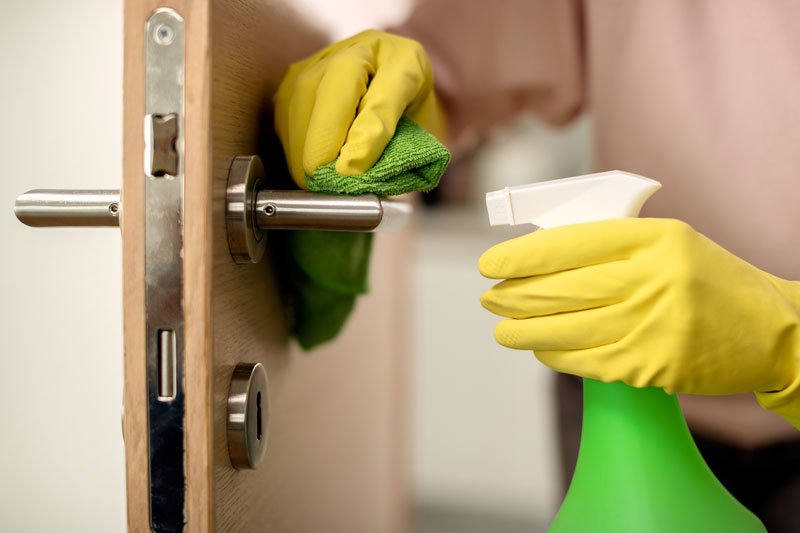
Take a close look at your light switch plates; they likely have a slight discoloration from oils on fingertips. A one time deep clean involves disinfecting every switch plate, door handle, and cabinet knob in the house. This is crucial for preventing the spread of illness.
Remote Controls and Electronics
Remote controls are often cited as some of the dirtiest items in a home. During your one time deep clean, use a cotton swab dipped in rubbing alcohol to clean between the buttons. Similarly, wipe down computer keyboards and mouse surfaces, which harbor significant bacteria.
Vent Covers and Registers
Air vents circulate air throughout your home, but they also circulate dust if the covers are dirty. A one time deep clean requires unscrewing these covers, washing them in the sink to remove the caked-on gray dust, and vacuuming as far into the duct as possible before replacing them.
The Importance of Window Tracks and Sills
Windows are often cleaned for glass clarity, but the tracks are frequently ignored. These tracks collect dead insects, pollen, and dirt that turns into mud when it rains.
The Track Cleaning Method
For a successful one time deep clean of window tracks:
- Loosen the dirt: Sprinkle baking soda into the track.
- Add vinegar: Pour a small amount of vinegar to create a fizzing reaction that lifts the grime.
- Scrub: Use an old toothbrush to scrub the corners.
- Wipe: Use paper towels or a rag to wipe away the sludge.
This level of detail is what separates a standard cleaning from a one time deep clean. It ensures that when you open your windows for fresh air, you aren’t blowing dust back into your home.
Addressing the Bathroom Exhaust Fan
In the bathroom, the exhaust fan is critical for mold prevention, yet it is rarely cleaned. Over time, the motor and cover become clogged with lint and hairspray residue. A one time deep clean involves removing the cover to wash it and vacuuming the motor housing. This restores the fan’s efficiency, helping to keep your bathroom dry and mold-free.
The Utility Room and Laundry Vents
The laundry room is a place for cleaning, but it often gets dirty itself. A one time deep clean must address the washing machine and dryer.
- Washing Machine: Run a sanitize cycle with vinegar or a specialized cleaner to remove mildew smells.
- Dryer Vent: Disconnect the hose and vacuum out the lint. This is a critical safety step, as clogged dryer vents are a leading cause of house fires.
- Behind the Machines: Just like in the kitchen, vacuum behind and under the washer and dryer.
5 Ways to Maintain Results After a One Time Deep Clean
Once you have invested the time and effort into a one time deep clean, you want the results to last. Here are five strategies to maintain that level of cleanliness.
1. Implement a “Shoes Off” Policy
Much of the dirt in your home is tracked in from the outside. By leaving shoes at the door, you significantly reduce the amount of debris that settles into your carpets and corners, prolonging the effects of your one time deep clean.
2. Manage Humidity Levels
Dust mites and mold thrive in humid environments. Keeping your home’s humidity between 30% and 50% helps keep surfaces cleaner. A one time deep clean removes existing mold, but humidity control prevents its return.
3. Change HVAC Filters Regularly
Your home’s air filter is the first line of defense against airborne dust. Changing it every 1-3 months ensures that the dust stirred up during daily life is trapped rather than recirculated, preserving the work done during your one time deep clean.
4. Adopt a “Clean As You Go” Mentality
Don’t let small messes become big projects. Wiping down baseboards in one room per week or dusting a ceiling fan once a month prevents the need for another immediate one time deep clean.
5. Schedule Periodic Deep Cleans
Even with excellent maintenance, every home needs a reset eventually. Scheduling a one time deep clean annually or bi-annually ensures that the deep-seated grime never has a chance to take permanent hold.
The Impact on Indoor Air Quality
One of the most significant benefits of a one time deep clean is the improvement in indoor air quality. Neglected homes often suffer from “sick building syndrome,” where accumulated dust, pet dander, and mold spores circulate continuously. By physically removing these contaminants from carpets, upholstery, and hidden ledges, a one time deep clean allows your HVAC system to function more efficiently and provides relief to allergy sufferers.
According to the American Lung Association, dust mites are a major indoor trigger for people with asthma and allergies, making their removal essential for a healthy home.
The Final Sparkle
Ultimately, a one time deep clean is about more than just aesthetics; it is about stewardship of your living space. By taking the time to address the spaces you probably forget to clean—from the tops of the ceiling fans to the coils behind the refrigerator—you are investing in the longevity of your home and the health of your family.
While the process is labor-intensive, the result is a home that feels lighter, smells fresher, and functions better. Whether you tackle it room by room or dedicate a full weekend to the project, the transformative power of a one time deep clean is undeniable. It turns a house that feels lived-in into a sanctuary that feels brand new, proving that the secret to a truly clean home lies in the details we often overlook.