

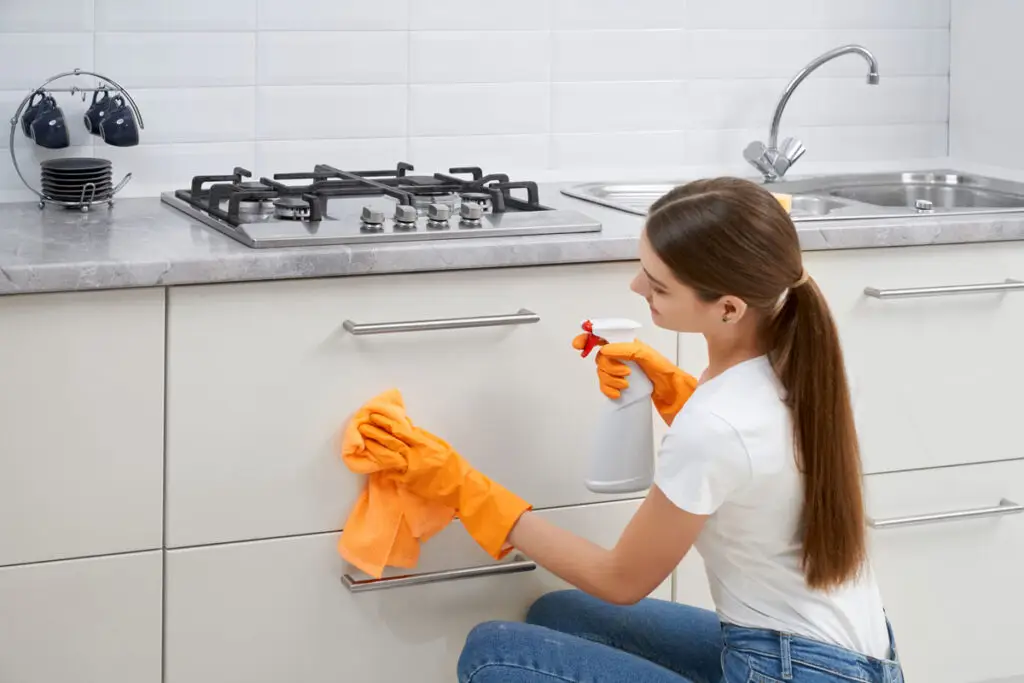
When was the last time your kitchen truly sparkled, not just on the surface, but in every nook and cranny? Life gets busy, and often, our kitchens bear the brunt of daily meals, hurried clean-ups, and forgotten spills. Over time, grease builds up, crumbs accumulate in unexpected places, and what was once a vibrant hub of culinary creativity can start to feel a little… tired. It’s more than just aesthetics; a truly clean kitchen contributes to a healthier home environment and makes cooking a more enjoyable experience. Undertaking a comprehensive kitchen deep clean is an investment in your home’s hygiene and your peace of mind.
Embarking on a kitchen deep clean might seem like a daunting task, a monumental undertaking that requires an entire weekend and an arsenal of cleaning supplies. However, with a strategic approach and the right techniques, you can transform your kitchen from grimy to gleaming without feeling overwhelmed. This guide is designed to break down the process into manageable steps, offering practical advice and insider tips to tackle even the most stubborn dirt and grime, ensuring every surface, appliance, and corner receives the attention it deserves. We’ll focus on effective methods for scrubbing built up grime that often gets overlooked.
Preparing for Your Kitchen Deep Clean: Setting the Stage for Success
Before you even think about scrubbing, a little preparation goes a long way. This initial phase is crucial for efficiency and ensures you have everything you need at your fingertips for an effective kitchen deep clean.
- Declutter and Empty: Start by removing everything from your countertops, shelves, and even inside your cabinets and pantry. This includes small appliances, decorative items, food items, and dishes. This step not only gives you clear surfaces to work on but also allows you to assess what you have and discard anything expired or unused.
- Gather Your Arsenal: Assemble all your cleaning supplies. Having everything ready prevents interruptions during your kitchen deep clean.
- All-purpose cleaner
- Degreaser (essential for tackling grease and scrubbing built up grime)
- Baking soda and white vinegar (natural powerhouses)
- Dish soap
- Microfiber cloths (several!)
- Sponges (some abrasive, some soft)
- Scrub brushes (small and large)
- Old toothbrushes (perfect for tight spots for scrubbing built up grime)
- Rubber gloves
- Trash bags
- Bucket
- Vacuum cleaner with attachments
- Mop
- Glass cleaner
- Disinfectant wipes or spray
- Clear the Air: Open windows and turn on your kitchen fan to ensure good ventilation, especially when using stronger cleaning agents.
Tackling the Toughest Spots: Scrubbing Built Up Grime
Now that your kitchen is prepped, it’s time to roll up your sleeves and get to the heart of the kitchen deep clean. We’ll work from top to bottom to ensure no dirt resettles on already cleaned surfaces, specifically targeting areas where scrubbing built up grime is most necessary.
Ceilings and Walls: The Often-Forgotten Surfaces
Don’t underestimate the amount of dust, grease, and even cooking splatters that can accumulate on your kitchen ceiling and walls. These areas are often neglected during routine cleaning, making them prime targets for a thorough kitchen deep clean.
- Dusting: Use a duster with an extendable handle or a vacuum cleaner with a brush attachment to remove cobwebs and loose dust from ceilings, corners, and high walls.
- Washing: For painted walls, use a mild all-purpose cleaner diluted in warm water. For stubborn grease splatters, a degreaser or a solution of warm water and a few drops of dish soap can work wonders. Always test in an inconspicuous area first. Wipe gently with a clean cloth, rinsing frequently. This is where you might find yourself scrubbing built up grime that has been there for ages.
Lighting Fixtures and Vents: Brightening Your Space
Dust and grease can significantly dim your kitchen’s lighting and impede air circulation. A proper kitchen deep clean includes these often-overlooked elements.
- Dust and Wipe: Carefully remove light fixture covers (if possible) and wash them in warm, soapy water. Wipe down bulbs and the fixture itself with a damp cloth.
- Ventilation Hood: This is a prime spot for scrubbing built up grime. Remove the grease filters and soak them in hot, soapy water with a degreaser. While they soak, wipe down the exterior and interior of the hood with a degreaser, paying close attention to the fan blades and surrounding surfaces. Rinse and dry the filters thoroughly before replacing them. This step is critical for a truly effective kitchen deep clean.
Cabinets and Drawers: Inside and Out
This is where a lot of hidden grime resides, making cabinet cleaning a cornerstone of any comprehensive kitchen deep clean.
- Empty and Wipe Inside: With cabinets and drawers emptied, vacuum out any crumbs or debris. Wipe down all interior surfaces with an all-purpose cleaner. For shelves with food stains, a baking soda paste can be effective.
- Exterior Deep Clean: The exteriors, especially near the stove and sink, are notorious for grease and fingerprints. Use a degreaser for greasy spots, followed by an all-purpose cleaner. For wood cabinets, use a wood-safe cleaner or a mixture of equal parts white vinegar and water, followed by a wood polish or oil. Don’t forget the handles and knobs – they harbor a lot of germs and often require focused effort for scrubbing built up grime.
Appliances: The Workhorses of Your Kitchen
Each appliance requires a specific approach to truly deep clean, contributing significantly to the overall success of your kitchen deep clean.
- Oven: This is often the most dreaded task. If your oven has a self-cleaning function, use it. Otherwise, use a commercial oven cleaner (following instructions carefully) or a natural paste of baking soda and water. Apply the paste, let it sit overnight, then scrape away the grime and wipe clean. Don’t forget the oven racks – soak them in hot, soapy water. This is a major area for scrubbing built up grime.
- Microwave: Place a bowl of water with a few lemon slices or white vinegar inside and microwave on high for 5-10 minutes until the window steams up. The steam will loosen dried food, making it easy to wipe away with a damp cloth.
- Refrigerator and Freezer: Remove all contents. Discard expired food. Remove shelves and drawers and wash them in warm, soapy water. Wipe down all interior surfaces with a solution of warm water and baking soda (to neutralize odors) or an all-purpose cleaner. Don’t forget the door seals – they can get moldy. Vacuum the condenser coils at the back or bottom for better efficiency, an often-missed part of a kitchen deep clean.
- Dishwasher: Run an empty cycle with a cup of white vinegar placed on the top rack. For stubborn mineral deposits, sprinkle baking soda on the bottom before running the cycle. Clean the filter at the bottom of the dishwasher.
- Stovetop and Range Hood: For gas stovetops, remove grates and burner caps and soak them in hot, soapy water. Scrubbing built up grime from these parts is crucial. For electric stovetops, lift the elements and clean the drip pans underneath. Wipe down the entire surface with a degreaser and then an all-purpose cleaner.
- Small Appliances: Don’t forget the toaster, coffee maker, blender, and stand mixer. Unplug them, wipe down exteriors, and clean removable parts according to manufacturer instructions.
Countertops and Backsplash: The Heart of the Action
These surfaces see constant use and can accumulate a lot of grime, making them central to any effective kitchen deep clean.
- Deep Scrub: Depending on your material (granite, laminate, tile, etc.), use an appropriate cleaner. For tile grout, a baking soda paste and an old toothbrush can work wonders for scrubbing built up grime.
- Disinfect: After cleaning, disinfect all surfaces, especially around the sink and food prep areas.
Sink and Faucet: Germ Hotspots
The sink is a breeding ground for bacteria and requires meticulous attention during a kitchen deep clean.
- Scrub and Disinfect: Use an abrasive cleaner or baking soda paste to scrub the sink basin, paying attention to stains and mineral deposits. Use an old toothbrush to clean around the faucet base and drain. Disinfect thoroughly.
- Garbage Disposal: Pour a cup of white vinegar down the disposal, followed by a cup of baking soda. Let it fizz for 10-15 minutes, then flush with hot water. For a fresh scent, grind a few lemon or orange peels.
Floors and Baseboards: The Grand Finale of Your Kitchen Deep Clean
The final step in your kitchen deep clean is to ensure your floors are spotless, completing the transformation.
- Vacuum or Sweep: Start by thoroughly vacuuming or sweeping the entire kitchen floor, paying attention to corners and under appliances.
- Wash Baseboards: Wipe down baseboards with a damp cloth and all-purpose cleaner to remove dust and splatters.
- Mop: Mop the floor with an appropriate cleaner for your flooring type. For extra shine and disinfection, a solution of warm water and white vinegar can be effective for many floor types.
The Lasting Glow: Maintaining Your Deep Cleaned Kitchen
A deep clean is a fantastic reset, but consistent maintenance is key to preventing future grime buildup and preserving the results of your thorough kitchen deep clean.
- Daily Wipes: Wipe down countertops, stovetop, and sink after every use.
- Weekly Tasks: Empty trash, wipe down appliance exteriors, and sweep/mop floors.
- Monthly Mini-Cleans: Tackle one or two deeper tasks each month, like cleaning the microwave or wiping down cabinet fronts.
- Address Spills Immediately: Don’t let spills dry and become stubborn stains, requiring more effort for scrubbing built up grime later.
By following this comprehensive guide, you’re not just cleaning your kitchen; you’re reclaiming it. The effort put into a thorough kitchen deep clean will result in a healthier, more inviting, and truly sparkling space that you’ll love to cook and gather in. Enjoy your revived kitchen!