

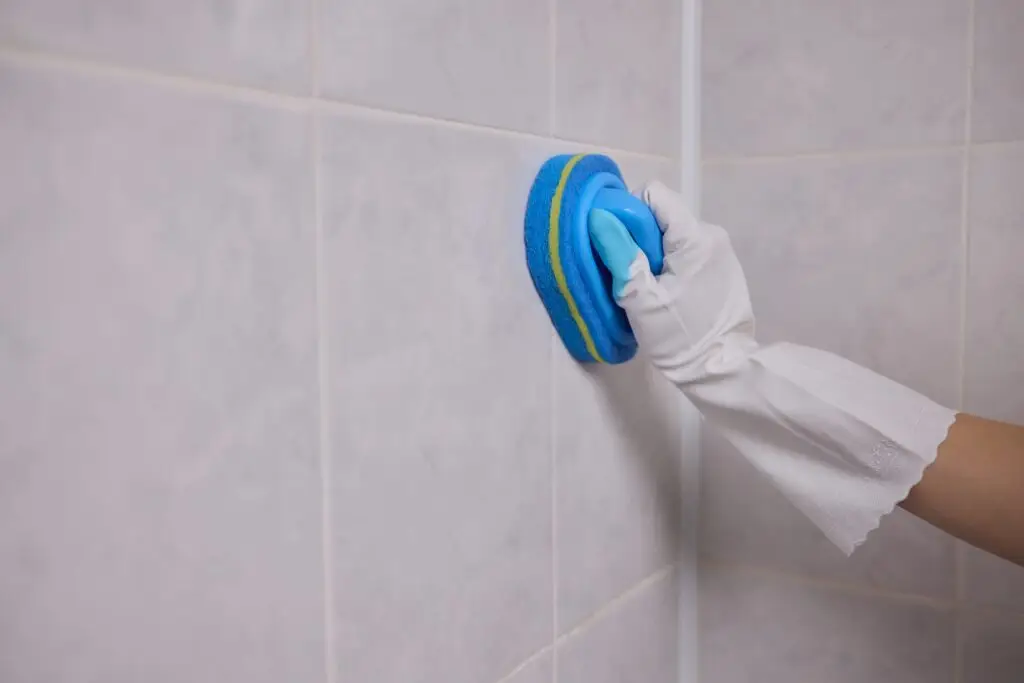
Bathroom tile is designed to be durable, but it faces a daily onslaught of moisture, soap residue, mineral deposits, and personal care products. Over time, these elements settle into the porous surfaces of your grout and cling to the tile, turning a once-sparkling surface into a dull, grime-prone eyesore. Preventing this buildup is significantly easier than scrubbing it away later. By adopting a few simple “after-shower” habits and maintenance strategies, you can keep your bathroom looking fresh with minimal daily effort.
Dry Tile After Showers
Moisture is the primary catalyst for mildew, mold, and soap scum buildup. When water evaporates, it leaves behind minerals (hard water) and soap remnants that eventually harden into a film.
- The Squeegee Advantage: Keep a squeegee in your shower and spend 30 seconds wiping down the walls and corners after you finish. It takes very little time but removes the vast majority of water that would otherwise settle and stagnate.
- Target the Trouble Spots: Pay special attention to grout lines, corners, and flat ledges where water naturally pools. Even a quick wipe-down with a microfiber towel is enough to keep your tile looking clear and bright.
Improve Bathroom Ventilation
Even if you are diligent about drying your tile, poor ventilation will work against you. High humidity levels keep grout lines damp for hours, providing the perfect breeding ground for mold spores.
- Maximize Airflow: Always run your bathroom exhaust fan during a shower and for at least 15–20 minutes afterward. If you don’t have a fan, open the bathroom door and window to let the steam escape.
- Prevent “Wet Piles”: Don’t leave damp towels piled on the floor or hanging in heaps; they increase the humidity in the room.
- Check Your Vents: Dust buildup on your vent cover can restrict airflow. Vacuum it periodically to ensure your fan is operating at full capacity.
Use the Right Cleaner for Tile and Grout
Not all cleaners are safe for all bathroom surfaces. Using the wrong product can do more harm than good, especially if you have natural stone.
- Know Your Surface: Ceramic and porcelain tile are generally durable, but natural stone (like marble or limestone) is highly sensitive to acid. Acidic cleaners—including vinegar—will etch and permanently dull stone finishes.
- Stick to Mild Solutions: For regular maintenance, use a pH-neutral, tile-safe cleaner.
- Safety First: Always test a new product in an inconspicuous area (like the corner near the floor) before using it on your main wall or floor tiles to ensure no discoloration occurs.
Prevent Soap Scum and Mineral Buildup
Soap scum isn’t just about soap; it’s about the reaction between soap and the minerals in your water.
- Switch Your Soap: Bar soaps are notorious for leaving behind a waxy, sticky residue that clings to tile. Switching to liquid body wash can significantly reduce the amount of soap scum in your shower.
- Keep Surfaces Clear: Avoid placing bottles directly on shower ledges or corners. Using a hanging shower caddy allows water to drain properly, keeping those areas from becoming “gunk zones.”
- Rinse After Use: A quick rinse of the shower walls with cool water after your shower can help wash away leftover lather before it has a chance to stick.
Protect Grout Lines
Grout is porous, meaning it acts like a sponge for dirt and oils. If it isn’t protected, it will inevitably darken over time.
- Gentle Maintenance: Use a soft-bristled brush to gently remove surface dirt. Avoid aggressive scrubbing with hard-bristled brushes, as this can wear down the grout and damage the caulk seal around your tub or shower.
- Seal the Deal: If your grout is unsealed, consider applying a high-quality grout sealer once it is perfectly clean and dry. This creates a barrier that prevents moisture and grime from penetrating the surface.
- Check for Cracks: Promptly repair any cracked grout or failing caulk. These gaps allow water to seep behind the tile, leading to hidden mold growth and structural damage.
How Professional Cleaning Helps Bathroom Tile
Even with excellent daily habits, mineral deposits and grime can slowly build up in the microscopic pores of your tile and grout. Professional deep cleaning uses industrial-grade tools and specialized cleaners to extract this stubborn buildup that standard household cleaning just can’t reach.
Maid Cleaning For You understands that the bathroom is the most high-use, high-moisture room in your home. Our recurring cleaning services help keep your tile in a “reset” state, preventing the long-term buildup that makes bathrooms look tired and dull. If your bathroom sees heavy daily traffic, scheduling recurring professional visits is the most effective way to protect your tile and keep your sanctuary clean with far less effort on your part.
Ready to enjoy a brighter, cleaner bathroom every day? Contact Maid Cleaning For You today to explore our recurring service options!
FAQ
How do I keep bathroom tile clean after every shower?
The most effective habit is to squeegee or wipe down the walls and ledges after each use. This removes excess moisture and soap residue before they can harden into scum.
What causes bathroom tile to look dull?
Dullness is usually caused by the buildup of soap scum, hard water mineral deposits, or leftover residue from personal care products like shampoo and conditioner.
Can vinegar be used on bathroom tile?
Vinegar is safe for ceramic and porcelain tile, but it should never be used on natural stone (like marble, granite, or slate) because the acidity will etch and dull the stone permanently.
How often should bathroom tile be deep cleaned?
While daily maintenance keeps surface grime away, a professional deep clean is recommended every 3 to 6 months to handle buildup in grout lines and hard-to-reach corners.