

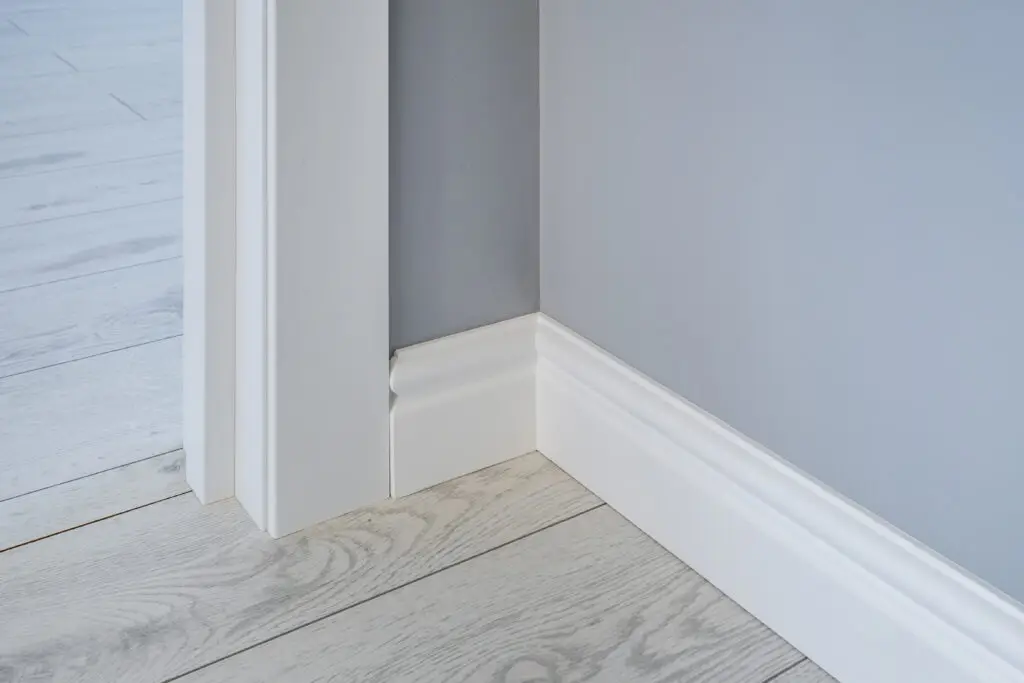
Baseboards are the unsung heroes of your home’s interior, providing a clean line where walls meet floors. However, they’re also notorious for attracting dust, dirt, pet hair, and scuffs, quickly undermining the overall cleanliness of a room. Learning how to keep baseboards clean with easy maintenance tips is essential for a polished and well-kept home. With a consistent routine, you can prevent stubborn buildup and ensure your baseboards always look their best.
Why baseboards accumulate dust and grime
It might seem like baseboards have a magnetic attraction to dirt, and there’s a scientific reason for it:
- Gravity: Dust naturally falls downwards, settling on the nearest horizontal surface, which is often the top edge of your baseboards.
- Air Circulation: Heating and air conditioning systems constantly move air throughout your home. This airflow, especially at floor level, pushes airborne particles like dust, pet dander, and pollen towards the perimeter walls and down onto the baseboards.
- Static Electricity: Many baseboard materials, particularly painted wood or vinyl, can generate static electricity, which acts like a magnet, drawing and holding onto dust and pet hair.
- Foot Traffic and Furniture: As people walk by, or furniture (like vacuum cleaners) scrapes against them, baseboards pick up scuff marks, dirt from shoes, and general grime.
- Dusting/Sweeping Fallout: Ironically, sweeping or vacuuming floors can sometimes kick up dust that resettles on the baseboards if not properly captured.
Best tools and cleaners for baseboards
You don’t need a lot of specialized equipment to keep your baseboards sparkling. Here’s what works best:
- For Dry Dusting:
- Vacuum with Brush Attachment: This is the most effective tool for quickly removing loose dust and pet hair.
- Microfiber Duster with Extendable Handle: Great for reaching without bending and trapping dust effectively.
- Old Sock or Microfiber Cloth on Hand: Simple, effective for a quick wipe.
- For Damp Cleaning/Spot Cleaning:
- Clean Microfiber Cloths: Absorbent and lint-free, perfect for wiping.
- Small Bucket or Spray Bottle: For mixing cleaning solutions.
- Warm Water: The base for most solutions.
- Mild Dish Soap (pH-neutral): A few drops in water for general grime.
- White Vinegar: Excellent for cutting grease and some stains (mix with water).
- Melamine Foam Sponge (e.g., Magic Eraser): Your secret weapon for scuff marks. Use gently, testing first.
- For Protection (Recommended):
- Kneepads: If you’re tackling a whole room, your knees will appreciate these!
- Gloves: To protect your hands.
What to Avoid: Harsh chemical cleaners, abrasive scrubbers (like steel wool), and excessive water, as these can damage paint or wood finishes.
Weekly and monthly baseboard cleaning routines
Consistency is key to keeping baseboards looking fresh.
- Weekly Routine (Quick Dusting):
- During your regular vacuuming: Use your vacuum’s brush attachment to run along the top and face of the baseboards. This quickly sucks up loose dust and pet hair.
- Alternatively: Grab a microfiber duster with an extendable handle and do a quick pass around the room. An old sock on your hand also works wonders for a fast wipe.
- Goal: Prevent heavy dust buildup. This should take only a few minutes per room.
- Monthly Routine (Damp Wipe & Spot Clean):
- Prep: If possible, slightly move any furniture that’s directly against the baseboards to gain full access.
- Dry Dust First: Always start by dry dusting or vacuuming to remove loose debris (as per the weekly routine).
- Damp Wipe: Mix warm water with a few drops of mild dish soap in a small bucket. Dampen a clean microfiber cloth, wring it out thoroughly, and wipe down the baseboards. Work in sections.
- Rinse (Optional but Recommended): Follow immediately with a second clean cloth dampened with plain water (also well-wrung) to remove any soap residue.
- Dry: Use a third, dry microfiber cloth to dry the baseboards completely. This prevents water spots and helps repel dust.
- Spot Clean Scuffs: For any noticeable scuff marks, gently rub with a slightly dampened melamine foam sponge (test in an inconspicuous spot first to ensure it doesn’t dull the finish).
- Goal: Remove light grime, fingerprints, and minor scuffs before they become stubborn.
How to prevent dirt buildup on baseboards
Beyond regular cleaning, these tips can help minimize future dirt accumulation:
- Change HVAC Filters Regularly: Clean air filters trap more airborne dust and allergens before they circulate through your home and settle on surfaces like baseboards. Replace filters every 1-3 months.
- Vacuum Strategically: When vacuuming floors, intentionally run the edge of your vacuum’s brush head along the baseboards to pick up dust before it has a chance to settle and cling.
- Use Dust-Repelling Sprays (Sparingly): Some furniture polishes or specialized cleaning sprays contain anti-static agents that can temporarily repel dust. Apply to your cleaning cloth, not directly to the baseboard, and use sparingly.
- Seal Gaps: If there are noticeable gaps between the baseboard and the wall or floor, consider applying a thin bead of paintable caulk. This not only improves aesthetics but also prevents dust and debris from settling into crevices.
- Control Pet Hair: Regular grooming of pets and frequent vacuuming of floors will significantly reduce the amount of pet hair that ends up on baseboards.
- Wipe Down Walls: Periodically wipe down your walls; dust sometimes clings to walls higher up and eventually falls to the baseboards.
Deep cleaning tips for painted vs wood baseboards
While the general principles apply, specific materials may require slightly different attention during a deep clean (e.g., annually or bi-annually).
For painted baseboards:
- Gentle Approach: Painted baseboards are generally easy to clean but can chip or scratch if treated too roughly.
- Mild Solutions: Stick to mild dish soap and water. For tougher scuffs, the melamine foam sponge is excellent.
- Avoid Over-Wetting: Too much water can soften or damage paint, especially if it’s not a high-gloss finish or if there are cracks. Always wring out cloths very well and dry immediately.
- Test Spot Cleaners: If using anything stronger than soap and water (like rubbing alcohol for grease), always test in an inconspicuous area first to ensure it doesn’t strip or dull the paint.
- Touch-Up Paint: Keep a small can of your baseboard paint color on hand for quick touch-ups of any chips or deep scuffs that cleaning can’t remove.
For wood baseboards (stained/varnished):
- Avoid Excessive Water: Wood can warp or swell if exposed to too much moisture. Use barely damp cloths and dry immediately.
- Wood-Specific Cleaners: For deep cleaning or restoring shine, consider using a wood cleaner or a furniture polish designed for finished wood. These often contain oils that nourish the wood and help repel dust.
- No Abrasives: Absolutely avoid abrasive cleaners, scrubbers, or melamine foam sponges on stained or varnished wood, as they can strip the finish and dull the wood.
- Oil Soap: A very diluted solution of wood oil soap (specifically for finished wood) can clean and condition simultaneously.
- Dust Regularly: For wood, consistent dry dusting is even more crucial to prevent grime from becoming embedded in the grain or finish.
By implementing these strategies, your baseboards will consistently contribute to a clean, fresh, and inviting atmosphere in your home.
Tired of battling dusty baseboards? Let the professionals handle the details! Contact Maid Cleaning For You today for a spotless clean that covers every corner and cranny, leaving your entire home looking impeccable!