

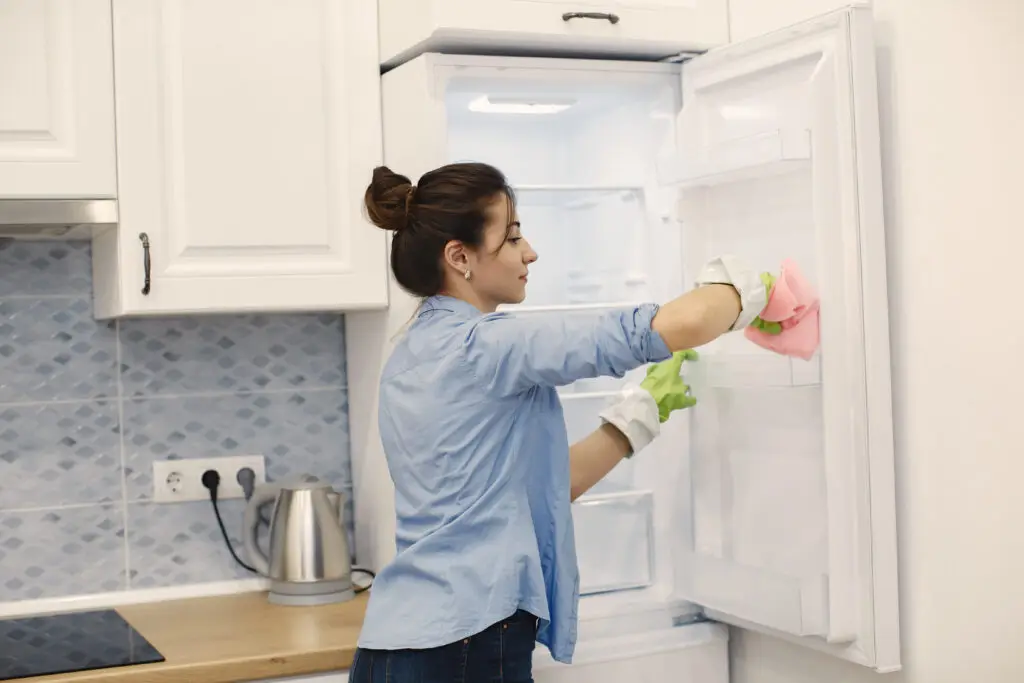
The refrigerator is the unsung hero of the kitchen, constantly working to keep our food fresh. Yet, it’s also prone to spills, forgotten leftovers, and mysterious odors. A dirty fridge can harbor bacteria, make food less appealing, and even cause it to spoil faster. Learning how to clean a fridge properly isn’t just about aesthetics; it’s about food safety, efficiency, and maintaining a healthy kitchen. A deep clean will leave your refrigerator fresh, organized, and odor-free.
What to remove before you start
Before you even think about grabbing a sponge, the first and most crucial step is to completely empty your refrigerator and freezer. This is also a perfect opportunity for a major purge.
- Remove All Food Items: Take everything out – shelves, drawers, and all food contents.
- Inspect and Discard:
- Expired Items: Check expiration dates on everything.
- Spoiled Food: Discard anything that looks or smells questionable. If in doubt, throw it out.
- Mystery Leftovers: If you can’t identify it or remember when it was made, it’s time for it to go.
- Unused Condiments: Condiments last a long time, but they do expire or lose flavor. Get rid of near-empty or very old bottles.
- Place Perishables Safely:
- Put highly perishable items (meat, dairy, prepared foods) into a cooler with ice packs, especially if you anticipate the cleaning will take more than 30-60 minutes.
- Non-perishable items can be placed on your counter or dining table.
- Remove All Removable Parts: Take out all shelves, drawers, crispers, and door bins. These will be cleaned separately.
- Unplug the Refrigerator (Optional but Recommended): For a truly deep clean, or if you expect to take a while, unplugging the fridge saves energy and helps defrost any light ice buildup in the freezer (if applicable). If you don’t unplug, work quickly.
Best cleaning products for refrigerators
You don’t need harsh chemicals to clean a fridge. In fact, gentle, food-safe options are best.
- Warm Water: The base for most cleaning solutions.
- Mild Dish Soap (pH-neutral, unscented): Excellent for cutting through grease and grime. Choose an unscented one to avoid transferring odors to your food.
- White Distilled Vinegar: A fantastic natural deodorizer and disinfectant. Its acidity helps dissolve mineral deposits and grime.
- Baking Soda: Superb for absorbing odors and providing a gentle abrasive for scrubbing.
- Microfiber Cloths/Soft Sponges: Lint-free and gentle on surfaces.
- Old Toothbrush or Cotton Swabs: For scrubbing tight corners and crevices.
- Spray Bottle: For vinegar solutions.
- Vacuum with Crevice Tool: For crumbs in tight spots.
What to Avoid: Abrasive scrubbers (like steel wool), harsh chemical cleaners (bleach, ammonia, oven cleaner), and heavily scented products. These can scratch surfaces, leave toxic residues, or impart unwanted odors to your food.
Step-by-step fridge interior cleaning
Work from top to bottom, tackling each section systematically.
- Clean Removable Parts:
- In a sink or tub, fill with warm water and a few drops of mild dish soap.
- Place all shelves, drawers, and bins in the soapy water. Let them soak for 10-15 minutes to loosen stuck-on grime.
- Scrub with a soft sponge or cloth. For stubborn spots, use a baking soda paste.
- Rinse thoroughly with clean water and dry completely with a clean cloth or air dry on a towel before returning them to the fridge.
- Vacuum Loose Debris: Use your vacuum cleaner with a crevice tool to suck up any loose crumbs, bits of food, or debris from the bottom of the fridge, corners, and along the seals.
- Wipe Down Interior Walls and Ceiling:
- In a spray bottle, mix equal parts white distilled vinegar and warm water (or use warm water with a few drops of dish soap).
- Spray the interior surfaces, focusing on the ceiling and upper walls first, allowing the solution to sit for a few minutes on tougher spots.
- Wipe down thoroughly with a clean microfiber cloth.
- Clean Remaining Shelves and Walls (Middle & Bottom): Continue working your way down, cleaning each level. For stubborn sticky spots, apply a paste of baking soda and a little water, let it sit for 5-10 minutes, then gently scrub and wipe clean.
- Don’t Forget the Door Seals (Gaskets): These rubber seals often collect crumbs and mold. Dampen a cloth with your cleaning solution (or a dilute bleach solution for mold, if comfortable, but rinse very thoroughly). Use an old toothbrush or cotton swab for the crevices. Wipe completely clean and dry.
- Clean the Exterior:
- Stainless Steel: Use a dedicated stainless steel cleaner and a microfiber cloth, wiping in the direction of the grain.
- Other Finishes: Use your warm, soapy water solution or an all-purpose cleaner to wipe down the exterior, including the top, sides, and handles.
- Condenser Coils (Annually): For maximum efficiency, once a year, carefully pull your fridge out (if possible) and vacuum the condenser coils (usually at the back or bottom front) to remove dust and pet hair. Refer to your fridge manual for specific instructions.
How to eliminate and prevent odors
A clean fridge should smell fresh, but lingering odors are common.
Eliminate existing odors:
- Baking Soda: Place an open box of baking soda on a shelf in the back of your fridge. Replace it every 1-3 months.
- Activated Charcoal: A bowl of activated charcoal can also absorb strong odors.
- Coffee Grounds: A small bowl of fresh (unused) coffee grounds can absorb odors, but may impart a coffee scent.
- Lemon Halves: Place lemon halves in the fridge to provide a fresh, natural scent.
Prevent future odors:
- Prompt Spill Cleanup: Clean spills immediately.
- Airtight Containers: Store all food, especially leftovers and strong-smelling items, in airtight containers.
- Regular Purging: Make it a habit to quickly check expiration dates and discard old food weekly.
- Ventilation: Ensure good air circulation within the fridge by not overpacking it.
Organizing tips after cleaning
Once your fridge is sparkling clean, thoughtful organization will help keep it that way and make finding items easier.
- Group Similar Items:
- Dairy & Eggs: Keep together on upper or middle shelves.
- Meat & Poultry: Store on the bottom shelf to prevent drips from contaminating other foods. Place them on a tray for extra protection.
- Condiments & Jars: Use door shelves.
- Fruits & Vegetables: Use crisper drawers, ideally with humidity controls set appropriately for each (check your manual).
- Use Bins and Containers: Clear plastic bins, lazy Susans, and drawer organizers can contain smaller items, prevent spills, and make it easy to pull out and access contents.
- “Eat Me First” Bin: Designate a clear bin for items that need to be eaten soon. This reduces food waste.
- Labeling: Label containers, especially for leftovers, with the date they were made.
- Don’t Overpack: Leave some space for air to circulate, which helps maintain consistent temperatures and reduce odors.
- Wipe Spills Immediately: Make a commitment to wipe up any minor spills or crumbs as soon as they happen.
By combining thorough cleaning with smart organization, your refrigerator will be a clean, efficient, and pleasant hub in your kitchen for the months and years to come, long past July 2025.
Feeling overwhelmed by fridge cleaning or your entire kitchen’s needs? Let the experts bring freshness and order to your home! Contact Maid Cleaning For You today for professional and comprehensive kitchen cleaning services that sparkle from the inside out!