

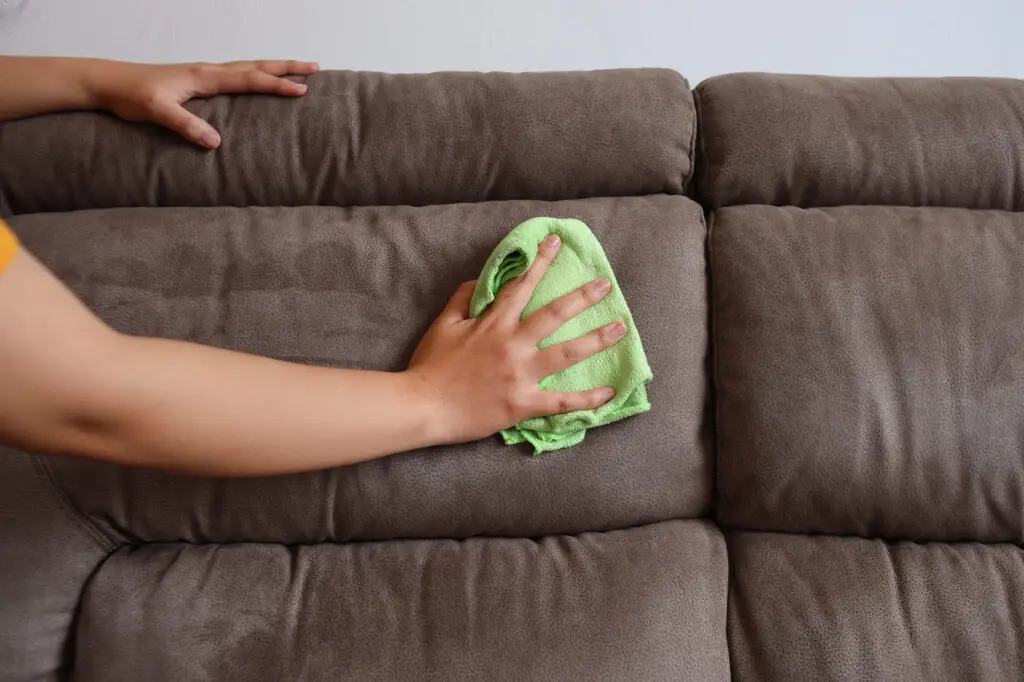
Microfiber chairs are a popular choice for many homes, offering a luxurious, soft feel and often touted for their durability and stain resistance. Their tightly woven synthetic fibers are excellent at repelling liquids and resisting pet hair, making them a practical yet stylish option for busy households. However, even the toughest microfiber can accumulate dirt, dust, and spills over time. Proper cleaning is essential not only to remove grime but also to maintain the fabric’s signature soft texture and extend the life of your furniture. This guide will walk you through the safest and most effective methods to keep your microfiber chair looking fresh and inviting.
Why microfiber furniture needs special care
Microfiber, while remarkably resilient, has unique characteristics that necessitate specific cleaning approaches to prevent damage and preserve its distinct feel.
- Synthetic Composition: Microfiber is made from finely woven synthetic fibers (typically polyester or nylon). These fibers are incredibly thin, giving the fabric its soft touch and dense structure. Standard cleaning products designed for natural fabrics might be too harsh or leave residue.
- Absorbent vs. Repellent: While new microfiber often repels liquids, allowing spills to bead up, over time and with wear, the fibers can become more absorbent, making stains harder to remove. Its dense weave can also trap dirt and oils if not cleaned correctly.
- Cleaning Codes: Furniture manufacturers provide specific cleaning codes (W, S, S/W, X) for upholstery. Using the wrong type of cleaner (e.g., water on an “S” code fabric) can cause permanent damage, discoloration, or water rings.
- “Nap” Texture: Microfiber has a unique “nap” – the direction its fibers lie. Improper scrubbing can flatten or mat this nap, making the fabric feel rough or look uneven.
- Residue Sensitivity: Because of its fine fibers, microfiber can easily show residue from soap or cleaners, which can attract more dirt and leave a crunchy feel if not thoroughly rinsed and dried.
- Pilling Potential: Friction can sometimes lead to small pills forming on the surface, which need to be addressed gently to avoid further damage.
Tools and products for cleaning microfiber
Before you begin, gather the right tools and products to ensure a safe and effective cleaning process. Always check your furniture’s cleaning code (usually on a tag under the cushion or frame) before applying any liquids.
Essential tools:
- Vacuum Cleaner with Upholstery Attachment: For initial dust and debris removal.
- Soft-Bristled Brush: A clean brush (like a stiff clothes brush or a scrub brush with soft bristles) to loosen dry dirt and restore the nap.
- Several Clean Microfiber Cloths: For applying cleaners, blotting, and drying.
- Small Spray Bottle: For applying cleaning solutions evenly and sparingly.
- Hairdryer (Optional): On a cool setting, can help speed up drying to prevent water rings.
Cleaning products (Choose based on your furniture’s cleaning code):
- For “W” (Water-based) Codes:
- Mild Dish Soap (e.g., Dawn) or Upholstery Shampoo: Diluted with distilled water.
- Distilled Water: Essential to prevent mineral deposits and water rings, especially if your tap water is hard.
- For “S” (Solvent-based) Codes:
- Rubbing Alcohol (Isopropyl Alcohol): A common household solvent that evaporates quickly.
- Clear Denatured Alcohol: Another effective solvent, evaporates quickly.
- Commercial Dry-Cleaning Solvent: Ensure it’s safe for upholstery and test in an inconspicuous area.
- For “S/W” (Both Water and Solvent) Codes:
- You can use either water-based solutions or solvents, but generally, start with water-based and move to solvent for tougher stains.
- For “X” (Vacuum Only) Codes:
- No liquid cleaners or solvents should be used. This code indicates professional dry-cleaning only if wet cleaning is required.
Step 1 – Vacuum to remove dust and debris
Before introducing any liquids, it’s crucial to remove all loose dirt, dust, pet hair, and crumbs from your microfiber chair. This prevents turning dry debris into muddy streaks when wet cleaning.
- Remove Cushions: Take off all removable cushions and set them aside.
- Vacuum the Frame: Using your vacuum cleaner’s upholstery attachment, thoroughly vacuum the entire frame of the chair. Pay special attention to crevices, seams, and underneath the cushions, where dirt and crumbs tend to accumulate.
- Vacuum Cushions: Vacuum all sides of the cushions, pressing the attachment firmly to dislodge embedded dust.
- Use a Brush (Optional, for stubborn dirt): For areas with stubborn dry dirt or matted fibers, gently brush the surface with a soft-bristled brush to loosen particles before vacuuming again.
Step 2 – Spot clean stains with safe solutions
Addressing individual stains quickly and correctly is key to preventing them from setting. Remember to always consult your chair’s cleaning code first.
For “W” (Water-Based) Codes:
- Prepare Solution: Mix a few drops of mild dish soap (or a capful of upholstery shampoo) with about a cup of distilled water in your spray bottle. Shake gently to combine.
- Test: Lightly mist a clean microfiber cloth with the solution and dab it on an inconspicuous area of the chair (e.g., the back of a skirt, under a cushion) to check for colorfastness or adverse reactions.
- Blot the Stain: Lightly mist a clean microfiber cloth with your solution. Do NOT spray directly onto the chair. Gently blot the stain, working from the outside in to prevent spreading. Use a fresh, clean part of the cloth as it picks up the stain.
- Rinse (Blot with Water): Dampen a separate clean microfiber cloth with plain distilled water and blot the area to rinse away soap residue.
- Dry: Blot thoroughly with a dry microfiber cloth. You can use a hairdryer on a cool setting to speed up drying and prevent water rings.
- Restore Nap: Once dry, gently brush the area with a soft-bristled brush to restore the fabric’s soft texture.
For “S” (Solvent-Based) Codes:
- Test: Apply a small amount of rubbing alcohol or dry-cleaning solvent to a clean microfiber cloth and dab it on an inconspicuous area to check for colorfastness.
- Blot the Stain: Lightly dampen a clean microfiber cloth with rubbing alcohol or solvent. Gently blot the stain, again working from the outside in. The alcohol evaporates quickly, so water rings are less of a concern.
- Ventilate: Ensure the area is well-ventilated when using solvents.
- Restore Nap: Once dry, gently brush the area with a soft-bristled brush to fluff up the fibers.
For “S/W” (Both Water and Solvent) Codes:
- Start with the “W” method. If the stain persists, then try the “S” method. Always test each solution first.
For “X” (Vacuum Only) Codes:
- Do not apply any liquids. If the stain is dry, try to gently brush it away. For wet stains or deep cleaning, professional upholstery dry-cleaning is required.
Step 3 – Deep clean for a fresh look
For a more thorough refresh of your microfiber chair, or if the entire chair appears dull or grimy, a deep clean may be necessary, especially for “W” or “S/W” coded fabrics.
- Vacuum Thoroughly (Again): Ensure all loose debris is removed before deep cleaning.
- Prepare Cleaning Solution: Mix your mild dish soap/upholstery shampoo and distilled water (for “W” or “S/W” codes) or prepare your solvent (for “S” codes) as described in Step 2.
- Apply Evenly to Sections: Lightly mist your cleaning solution onto a clean microfiber cloth (do NOT spray directly onto the chair). Work in small sections, wiping the fabric with even, gentle strokes. Apply just enough moisture to clean, but avoid saturating the fabric.
- Rinse Each Section: Immediately follow with a separate clean microfiber cloth dampened with plain distilled water (for “W” or “S/W” codes) to blot and rinse the section. This is crucial for removing all soap residue. For “S” codes, the solvent evaporates quickly, so a rinse isn’t typically needed, but you can blot with a dry cloth.
- Dry Immediately: Use a third clean, dry microfiber cloth to thoroughly blot the section, absorbing as much moisture as possible. A hairdryer on a cool setting can be used to speed up drying. Work quickly to prevent water rings or moisture damage.
- Continue Section by Section: Move to the next section, overlapping slightly with the previous one, until the entire chair is cleaned.
- Restore the Nap: Once the entire chair is completely dry, use a soft-bristled brush to gently brush the entire surface. This will lift the fibers, restore the nap, and bring back the soft, plush feel of your microfiber.
Tips to keep microfiber chairs looking new
Preventative measures and regular upkeep will significantly prolong the life and beauty of your microfiber furniture.
- Regular Vacuuming: Make vacuuming your microfiber chair a weekly habit. This prevents dust and dirt from building up and becoming embedded in the fibers, reducing the need for deep cleaning.
- Immediate Spill Cleanup: Act fast! The moment a spill occurs, blot it up immediately with a clean, dry microfiber cloth. Do not rub, as this can push the liquid deeper into the fabric.
- Rotate Cushions: If your cushions are reversible, flip and rotate them regularly to ensure even wear and tear, and consistent exposure to light.
- Avoid Direct Sunlight: Prolonged exposure to direct sunlight can fade microfiber fabric over time. Position your chair away from harsh, unfiltered windows, or use curtains/blinds to protect it.
- Use Throws or Slipcovers: For heavily used chairs or homes with pets and children, consider using washable throws or custom slipcovers. These provide an extra layer of protection against spills, dirt, and pet hair, making cleaning much easier.
- Brush the Nap: Occasionally, use a soft-bristled brush to gently brush the entire surface of the chair. This helps to lift the fibers, maintain the soft texture, and prevent matting or flattening.
- Professional Cleaning: For very old, stubborn stains, or if your chair has an “X” cleaning code, consider calling a professional upholstery cleaner. They have specialized equipment and knowledge to clean microfiber safely and effectively.
Maintaining your microfiber chair doesn’t have to be a challenge. With these simple steps and preventative measures, you can enjoy its comfort and stylish appeal for many years to come.
Ready to give your entire home, including your cherished furniture, a pristine refresh? Contact Maid Cleaning For You today for a free estimate on our expert cleaning services, designed to keep your home sparkling and your valuable furnishings protected!