

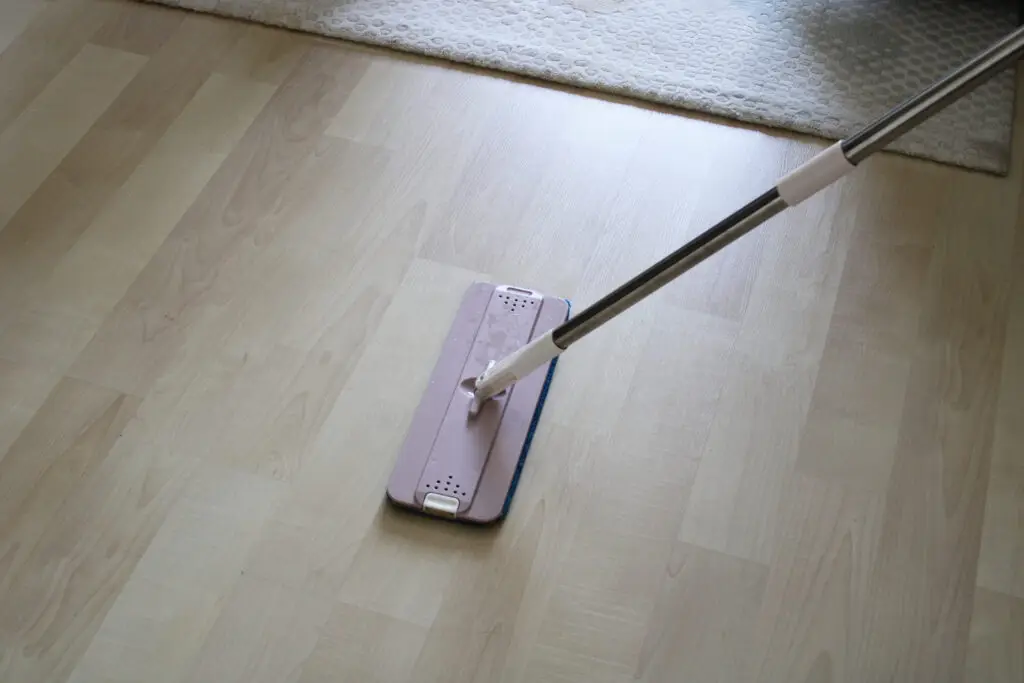
Laminate flooring offers the beautiful look of hardwood, stone, or tile at a more affordable price, and it’s renowned for its durability and ease of maintenance. However, to keep your laminate floors looking their best – scratch-free, streak-free, and gleaming – it’s crucial to understand their specific cleaning needs. Unlike solid hardwood, laminate floors are highly susceptible to moisture damage, and harsh chemicals can dull their protective layer. This comprehensive guide will walk you through the safest and most effective methods to clean, protect, and maintain the natural shine of your laminate floors, ensuring they remain a stunning feature in your home for years to come.
Why laminate floors need gentle cleaning
Laminate flooring is a multi-layered synthetic product designed to mimic the appearance of natural materials. Its unique construction dictates a specific approach to cleaning, emphasizing gentleness and minimal moisture.
- Composition: Laminate consists of a core layer (often high-density fiberboard), a photographic layer (for the visual design), and a clear, protective wear layer (typically melamine resin). This top wear layer is scratch and stain-resistant but can be damaged by abrasive cleaners or excessive scrubbing.
- Moisture Sensitivity: The biggest enemy of laminate flooring is excessive moisture. Unlike solid wood, which can absorb some water, the fiberboard core of laminate can swell, warp, and buckle if exposed to too much liquid. This damage is often irreversible, leading to costly repairs or replacement. Water can also seep into the seams between planks, causing damage from underneath.
- Finish Protection: The clear wear layer not only protects against scratches but also provides the floor’s characteristic sheen. Harsh chemicals, abrasive cleaners, or even steam cleaners can degrade this layer, causing it to become dull, cloudy, or even hazy over time. Once the wear layer is compromised, the photographic layer underneath is exposed and can be easily damaged.
- No Refinishing: Unlike hardwood floors, laminate floors cannot be sanded down and refinished. If the wear layer is significantly damaged or dull, the only solution is often to replace the affected planks or the entire floor. Gentle cleaning helps preserve this protective layer.
- Streak Prevention: The smooth, often glossy surface of laminate is prone to showing streaks from improper cleaning solutions or techniques. Using the right products and methods ensures a clean, clear finish without residue.
Understanding these sensitivities highlights why a gentle, low-moisture cleaning approach is not just preferred, but essential for the longevity and beauty of your laminate floors.
Everyday cleaning methods for laminate floors
Regular, gentle cleaning is the key to preventing dirt and grime buildup, which can scratch the surface or become harder to remove later. Incorporate these simple steps into your routine:
- Dust Mop or Soft-Bristle Broom (Daily/Every Other Day):
- Purpose: To pick up loose dirt, dust, pet hair, and crumbs before they can be ground into the floor and cause micro-scratches.
- Method: Use a microfiber dust mop or a broom with soft, non-abrasive bristles. Work in sections, moving with the grain of the planks, if applicable. For best results, lift the mop/broom periodically to shake off accumulated debris into a dustpan.
- Why it works: This prevents abrasive particles from scratching the wear layer.
- Vacuum Cleaner (Weekly):
- Purpose: For a more thorough removal of embedded dust and debris, especially from crevices and along baseboards.
- Method: Use a vacuum cleaner that has a “hard floor” setting or an attachment specifically designed for hard surfaces. Crucially, ensure the beater bar (rotating brush) is turned OFF or retracted. The hard bristles of a spinning beater bar can scratch and dull the laminate surface.
- Why it works: Effectively removes finer particles without damaging the floor.
- Wipe Up Spills Immediately (As Needed):
- Purpose: To prevent any liquid from penetrating the seams and causing water damage.
- Method: Blot spills with a clean, dry cloth or paper towel as soon as they occur. Do not rub the spill, as this can spread it or push it deeper into the floor.
- Why it works: Prevents moisture from reaching the vulnerable fiberboard core.
By consistently performing these everyday cleaning tasks, you’ll significantly reduce the need for more intensive wet cleaning and keep your laminate floors looking fresh and well-maintained.
How to remove stains and spills safely
Even with regular cleaning, accidents happen. The key to safely removing stains from laminate floors is to act quickly and use the right gentle approach. Always test any new cleaning method on an inconspicuous area first.
- General Spills (Water, Juice, Milk):
- Method: Blot immediately with a clean, dry microfiber cloth or paper towel. If a sticky residue remains, lightly dampen a clean microfiber cloth with plain water (distilled water is best) and gently wipe. Dry the area immediately with another dry cloth.
- Grease, Oil, Crayon, Ink, Marker:
- Method: For these tougher oil-based stains, a small amount of non-abrasive, acetone-free nail polish remover or mineral spirits can be effective.
- Apply a tiny amount to a clean white cloth (not directly to the floor).
- Gently rub the stain in a small area until it lifts.
- Immediately wipe the area with a damp cloth (plain water) to remove any residue, and then thoroughly dry with a clean, dry cloth.
- Caution: Use sparingly and avoid prolonged contact, as strong solvents can affect the finish.
- Scuff Marks:
- Method: Often, scuff marks from shoes or furniture can be gently rubbed away with a clean, dry microfiber cloth. For stubborn scuffs, try rubbing with a pencil eraser.
- If that doesn’t work, a tiny dab of laminate floor cleaner or a little baking soda paste (baking soda mixed with a few drops of water) applied to a cloth can help. Rub gently, then wipe clean with a damp cloth and dry immediately.
- Candle Wax or Chewing Gum:
- Method: Allow the substance to harden completely. You can speed this up by placing an ice pack (wrapped in a cloth) over it for a few minutes.
- Once hard, gently scrape off the bulk of the material using a plastic scraper (like a credit card or spatula) or a dull butter knife. Be extremely careful not to scratch the floor.
- Any remaining residue can be gently rubbed with a clean cloth dampened with a small amount of mineral spirits or acetone-free nail polish remover, then cleaned with plain water and dried.
- Blood, Wine, Coffee:
- Method: These water-based stains should be blotted immediately. If dried, lightly dampen a clean microfiber cloth with a mild laminate floor cleaner or a solution of water and a tiny drop of dish soap. Gently wipe the stain.
- Rinse with a clean, damp cloth (plain water) and dry thoroughly.
General Rule: Always use the least aggressive cleaning method first. Work from the outside of the stain inwards to prevent spreading. Always dry the area immediately after any wet cleaning to protect against moisture damage.
Best cleaning solutions for laminate surfaces
Choosing the right cleaning solution is critical for maintaining your laminate floors. The emphasis is on gentle, pH-neutral, and low-moisture options.
- Laminate Floor Cleaners (Best Option):
- Why: These are specifically formulated for laminate surfaces, often pH-neutral, streak-free, and quick-drying. They are designed to clean effectively without damaging the wear layer or leaving residue.
- How to Use: Follow the manufacturer’s instructions. Typically, you spray a small amount onto a clean microfiber mop pad or directly onto a small section of the floor, then wipe clean. Never flood the floor.
- Brands: Bona for Laminate, Armstrong, or any brand specifically labeled for “laminate flooring.”
- Water and Vinegar Solution (DIY Option):
- Why: White vinegar is a natural disinfectant and degreaser. When heavily diluted, it can be a safe and effective cleaner for laminate floors, as it evaporates quickly and leaves no residue.
- How to Use: Mix 1 cup of white vinegar with 1 gallon of distilled water. Lightly dampen a microfiber mop pad with this solution. Wring out the pad extremely well until it’s barely damp. Mop the floor in small sections, then immediately follow with a dry mop pad or towel to dry the floor completely.
- Caution: While diluted vinegar is generally safe, some manufacturers advise against it over time as it could potentially dull certain finishes. Use sparingly and ensure proper dilution.
- Water and Mild Dish Soap (DIY Option for Tougher Grime):
- Why: For areas with more noticeable grime, a very mild dish soap can cut through dirt without being too harsh.
- How to Use: Mix 1-2 tablespoons of a mild dish soap (like Dawn) into 1 gallon of distilled water. Dampen a microfiber mop pad with the solution and wring it out very thoroughly. Mop in small sections, rinse the mop pad frequently, and immediately dry the floor with a clean, dry mop or towel.
- Caution: Use minimal soap, as too much can leave a sticky residue or streaks.
Key Rule for All Solutions:
- Minimal Moisture is Paramount: Never use excessive water or “wet mop” laminate floors. The mop pad should always be just damp, not soaking.
- Dry Immediately: After using any liquid cleaner, ensure the floor is dried completely with a separate, clean, dry cloth or mop. Standing water is the biggest threat to laminate.
Mistakes to avoid when cleaning laminate floors
To preserve the beauty and longevity of your laminate floors, steer clear of these common cleaning pitfalls:
- Using Excessive Water: This is the #1 mistake. Never wet mop, use a steam cleaner, or allow standing water on laminate floors. The fiberboard core will swell, warp, and buckle, causing irreversible damage. Always use a damp mop (well-wrung out) and dry immediately.
- Using Abrasive Cleaners or Tools:
- Harsh Chemicals: Avoid ammonia-based cleaners, bleach, abrasive powders, wax-based cleaners, or any “all-purpose” cleaners not specifically labeled for laminate. These can strip the wear layer, leave residue, or cause dullness and discoloration.
- Abrasive Pads/Brushes: Do not use steel wool, scrubbing pads, or vacuum cleaners with a rotating beater bar, as these can scratch and permanently damage the protective surface.
- Using Polishes or Waxes: Laminate floors come with a factory-applied wear layer that does not require waxing or polishing. Applying these products can create a hazy film, streaks, or a sticky residue that attracts dirt. If your floor has lost its sheen, it’s likely due to residue from improper cleaning, not a need for polish.
- Skipping the Dry Dusting/Vacuuming: Failing to remove loose dirt and grit before wet cleaning means you’ll be grinding abrasive particles into the floor, leading to scratches. Always dust mop or vacuum first.
- Letting Stains Sit: Allow liquid spills or stains to linger on laminate floors. They can seep into the seams, causing damage, or become much harder to remove if they dry. Blot spills immediately.
- Using Fabric Softener on Microfiber Cloths: When washing your microfiber cleaning cloths, avoid using fabric softener. Fabric softener can clog the microscopic fibers, reducing their effectiveness at trapping dirt and leaving streaks or residue on your floors.
- Ignoring Manufacturer Guidelines: Always refer to your laminate flooring manufacturer’s specific cleaning and maintenance recommendations, as they may have particular instructions for their product.
By avoiding these common errors and sticking to the gentle, low-moisture methods outlined, you’ll ensure your laminate floors remain beautiful and durable for many years.
Is your home in need of professional cleaning services, ensuring every surface, including your delicate laminate floors, receives the expert care it deserves? Contact Maid Cleaning For You today for a free estimate on our comprehensive cleaning solutions!