

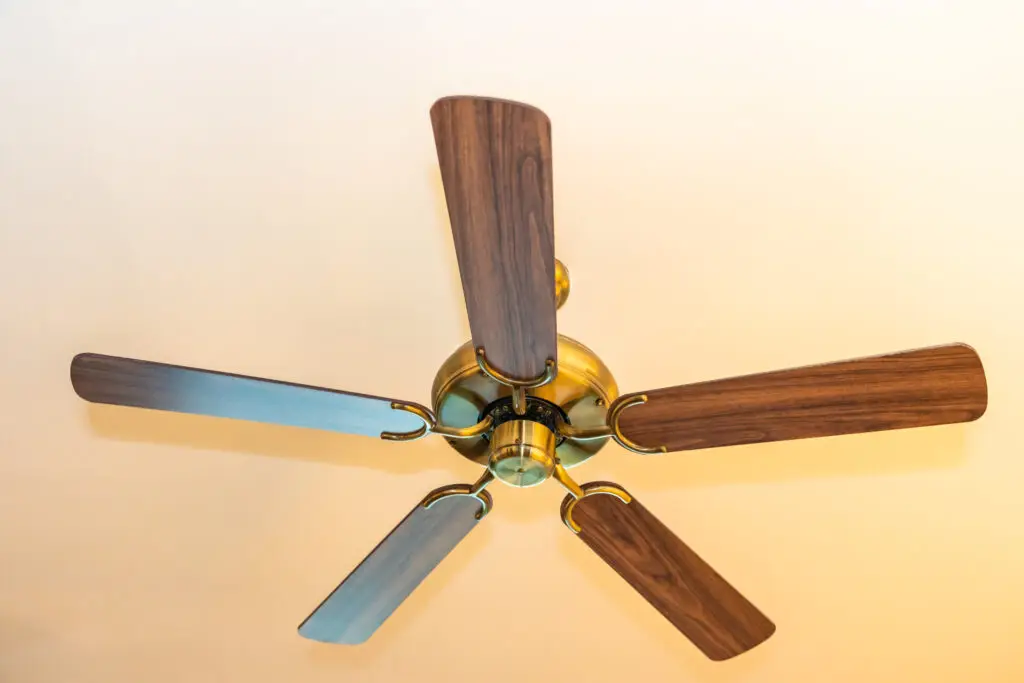
Ceiling fans are fantastic for circulating air and keeping your home comfortable, but they’re also notorious for accumulating dust. Over time, those dusty blades can not only detract from your room’s appearance but also potentially circulate allergens and dust mites throughout your living space. Learning how to clean ceiling fan blades safely and efficiently is a simple task that can significantly improve your home’s air quality and aesthetic.
Why dusty fan blades matter
It might seem like a minor issue, but neglecting your ceiling fan blades can have several negative impacts on your home and health:
- Reduced Air Quality: As a fan spins, it disperses the dust accumulated on its blades throughout the room. This can worsen allergies, asthma, and general respiratory irritation for sensitive individuals.
- Inefficient Operation: A thick layer of dust adds weight and drag to the blades, forcing the motor to work harder. This can lead to increased energy consumption and potentially shorten the lifespan of your fan.
- Unpleasant Appearance: Dusty, grimy blades are an eyesore, detracting from the cleanliness and overall aesthetic of any room.
- Dust Accumulation on Surfaces: The dust that’s flung off the blades eventually settles on your furniture, floors, and other surfaces, contributing to a perpetually dusty home.
Preparation: Turn off power and protect furniture
Before you start any cleaning, especially involving electrical appliances and working at height, safety is paramount.
- Turn Off the Power: This is the most critical step. Locate the wall switch for your ceiling fan and turn it to the “off” position. For added safety, it’s highly recommended to go to your electrical service panel (breaker box) and switch off the circuit breaker that controls the fan. This prevents accidental activation while you’re cleaning.
- Gather Your Supplies: You’ll need a sturdy step ladder or a stable chair to reach the blades safely. Avoid balancing on unstable furniture. You’ll also need:
- Old pillowcase (a highly effective, mess-free tool!)
- Microfiber cloths
- Mild all-purpose cleaner or a mixture of warm water and a few drops of dish soap
- Vacuum with brush attachment (optional)
- Drop cloth or old sheets (to protect furniture and floors)
- Protect Your Space: Lay down a drop cloth, old sheets, or newspaper directly under the fan. This will catch any dust or debris that might fall during the cleaning process, making cleanup easier. If you have furniture directly under the fan, move it out of the way or cover it thoroughly.
Cleaning methods: Wet vs. Dry
The best cleaning method depends on how much dust has accumulated on your fan blades.
Dry cleaning method (for light to moderate dust)
This is the fastest and least messy method for regular maintenance.
- The Pillowcase Trick: This is a game-changer! Take an old pillowcase and slip one fan blade completely inside it. Firmly hold the open end of the pillowcase around the blade, and slowly pull the pillowcase off the blade. All the dust will fall into the pillowcase, not onto your floor or furniture.
- Repeat: Repeat this process for each blade.
- Dust the Motor Housing: Use a dry microfiber cloth to wipe down the central motor housing and any light fixtures.
- Vacuum: Take the pillowcase outside to shake out the dust, or simply turn it inside out over a trash can. You can also vacuum the inside of the pillowcase.
Wet cleaning method (for heavy dust or grime)
If your fan blades haven’t been cleaned in a while and have a thick, sticky layer of dust, or even grease from cooking, you’ll need a wet method.
- Initial Dusting: Start with the pillowcase trick first to remove as much loose dust as possible. This prevents creating a muddy mess.
- Prepare Cleaning Solution: Lightly dampen a microfiber cloth with a mild all-purpose cleaner or a solution of warm water and a few drops of dish soap. Wring it out well so it’s not dripping.
- Wipe Blades: Carefully wipe down each blade, ensuring you clean both the top and bottom surfaces. For stubborn grime, you might need to apply a little more pressure or use a slightly stronger cleaner (always test in an inconspicuous area first).
- Rinse/Buff: Follow up with a clean, dry microfiber cloth to remove any residue and buff the blades dry. This prevents streaks and helps repel future dust.
- Clean Housing: Wipe down the motor housing and any light fixtures with your damp cloth, then buff dry.
Deep cleaning steps
Sometimes, a basic clean isn’t enough, especially if you have an older fan or one that’s accumulated years of grime.
- Disassemble (If Necessary & Comfortable): For some fans, especially those with intricate designs or heavily soiled blades, you might consider carefully unscrewing the blades from the motor housing. Refer to your fan’s manual for instructions. This allows for easier, more thorough cleaning.
- Wash Removable Parts: If you’ve removed the blades, you can wash them more thoroughly in a utility sink or bathtub with warm, soapy water. Use a soft brush or sponge to scrub away stubborn grime.
- Rinse and Dry Completely: Rinse the blades thoroughly to remove all soap residue. It’s crucial to let them air dry completely before reattaching them to prevent rust or mildew.
- Clean Light Fixtures: If your fan has light covers, remove them and wash them in warm, soapy water. Wipe down the light bulbs with a dry microfiber cloth (never wet a hot bulb).
- Reassemble: Once everything is completely dry, carefully reattach the blades and light fixtures. Double-check that all screws are tightened securely.
Maintenance tips to reduce dust buildup
Regular, simple maintenance can significantly reduce how often you need to perform a deep clean.
- Regular Dusting: Aim to dust your ceiling fan blades once a month or every other month, using the dry pillowcase method. This prevents heavy buildup.
- Change Air Filters: Regularly changing your home’s HVAC air filters improves overall indoor air quality, meaning less dust circulates and settles on your fan.
- Vacuum Regularly: Consistent vacuuming, especially in rooms with ceiling fans, helps reduce ambient dust that can cling to the blades.
- Use a Dusting Wand: For quick, in-between cleanings, a long-handled dusting wand with an electrostatic or microfiber head can reach blades without a ladder. While not as thorough as the pillowcase method, it helps prevent heavy buildup.
- Wipe Down Blades from Time to Time: When you’re doing other dusting in the room, take a moment to give the visible parts of the fan blades a quick wipe.
Cleaning ceiling fan blades safely and efficiently doesn’t have to be a dreaded chore. By following these tips, you can maintain cleaner air, improve your fan’s efficiency, and keep your home looking its best. If you find yourself short on time or prefer to leave the detailed cleaning to the experts, Maid Cleaning For You is always ready to help. Our professional cleaners ensure every part of your home, including those often-forgotten fan blades, sparkles with cleanliness!
Ready for a truly clean home? Contact Maid Cleaning For You today for a consultation!