

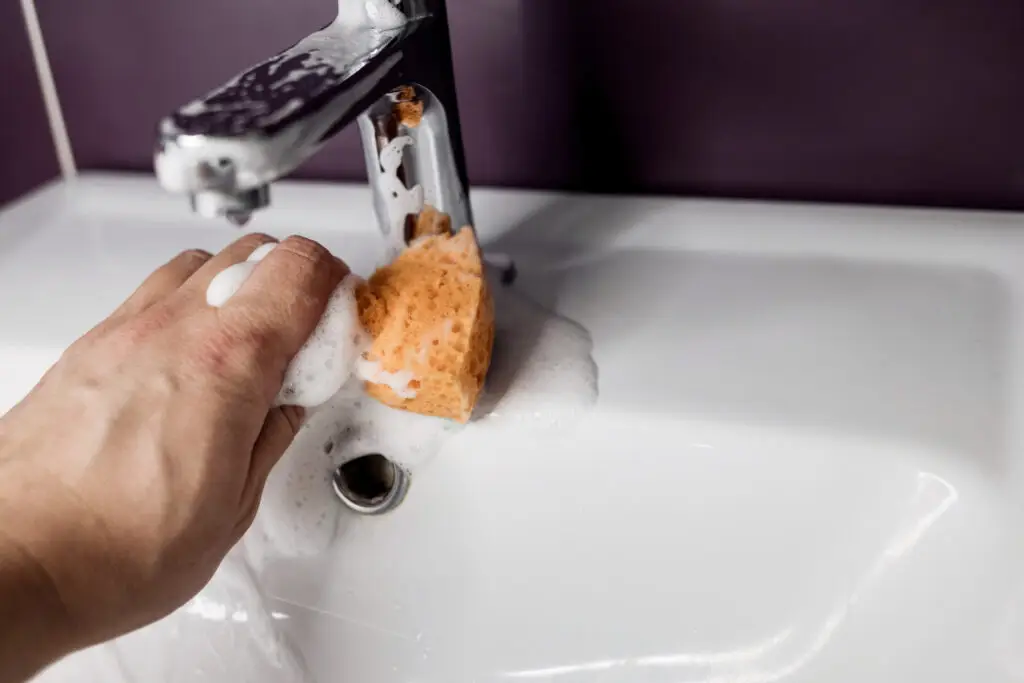
Knowing how to clean bathroom sink drain buildup can help you fix odors, slow water flow, soap residue, and daily grime before they become bigger problems. Bathroom sink drains collect toothpaste, hair, soap film, shaving residue, skincare oils, makeup, and minerals from water.
This guide is for simple DIY drain cleaning, not major plumbing repair. You will learn how to clean bathroom sink drain residue safely, which tools to use, what mistakes to avoid, how often to do it, and when the problem may need a plumber instead of another cleaning attempt.
What is the best way to clean a bathroom sink drain?
The best way to clean a bathroom sink drain is to remove visible debris, clean the stopper, flush the drain with hot water, loosen light buildup with baking soda, and use a drain tool for trapped hair. Avoid mixing chemicals and do not keep using harsh products if the drain stays clogged.
A bathroom sink drain usually smells or drains slowly because residue collects close to the drain opening, stopper, pop-up rod, or P-trap area. Many light problems can be improved with a simple DIY routine, but standing water, leaks, or recurring clogs may need professional plumbing help.
Why bathroom sink drains get dirty
Bathroom sink drains get dirty because they handle more than water. Every day, small amounts of personal care products move through the drain and stick to the pipe walls, drain stopper, and parts below the sink.
The most common causes include:
- Toothpaste residue
- Hair and shaving stubble
- Soap scum
- Face wash and skincare oils
- Makeup residue
- Hard water minerals
- Mouthwash splashes
- Loose dirt from handwashing
- Cotton fibers or small debris
- Product buildup around the stopper
Professional cleaners often notice that the sink basin gets wiped often, but the drain opening and stopper are ignored. That small area can hold residue, odor, and grime even when the rest of the bathroom looks clean.
Signs your bathroom sink drain needs cleaning
You should clean your bathroom sink drain when you notice odor, slow water flow, visible grime, or residue around the drain opening. These signs usually appear before a full clog.
Look for these warning signs:
- Water drains slower than usual.
- The sink smells musty or sour.
- There is dark buildup around the drain.
- The stopper feels sticky.
- Water pools around the drain before going down.
- Small debris comes back up after rinsing.
- The drain smells worse after hot water runs.
- The sink looks clean but still does not smell fresh.
If water does not drain at all, cleaning may not be enough. A full blockage can sit deeper in the plumbing line.
Tools and supplies you need
Before you clean the drain, gather simple supplies. You do not need harsh chemicals for routine bathroom sink drain cleaning.
Useful tools and supplies include:
- Rubber gloves
- Microfiber cloths
- Old toothbrush or small cleaning brush
- Cup or small bowl
- Hot water
- Mild dish soap
- Baking soda
- White vinegar, if safe for the sink area
- Plastic drain cleaning tool
- Small sink plunger
- Bucket or towel
- Flashlight
- Paper towel for removed debris
Use gentle methods first. Strong drain cleaners can be harsh, and some products may damage finishes, pipes, or surrounding surfaces if used incorrectly.
How to clean bathroom sink drain step by step
To clean bathroom sink drain buildup, start at the visible drain opening, then clean the stopper, flush the drain, and remove trapped residue. This helps solve many odor and slow-drain problems without relying on aggressive chemicals.
1. Remove visible debris
Put on gloves and remove any visible hair, soap scum, or debris from the drain opening. Use a paper towel or small plastic tool, but avoid pushing debris deeper into the drain.
Wipe the metal ring around the drain with a damp cloth and mild dish soap. This area often collects toothpaste and mineral residue.
2. Clean the sink stopper
The stopper is one of the most common sources of bathroom sink drain odor. Hair, soap film, and skincare products can stick to it.
If your stopper lifts out easily, remove it and clean it with warm water, mild soap, and a small brush. Scrub the lower part carefully because that is where buildup usually sits.
If the stopper does not come out from above, do not force it. Some stoppers connect to a rod under the sink. Forcing the stopper can damage the mechanism.
3. Flush with hot water
Run hot water through the drain for about one minute. Hot water can help loosen light soap residue and soft buildup near the drain opening.
Do not use boiling water if you are unsure about your pipes, sink material, or sealants. Very hot water may not be suitable for every setup.
4. Use baking soda for odor
Pour about half a cup of baking soda into the drain. Let it sit for 10 to 15 minutes. Baking soda can help absorb odor and loosen light residue.
Then flush with hot water. This method works best for mild smells and light buildup, not serious clogs.
5. Use vinegar carefully
If the sink material and surrounding surfaces tolerate vinegar, pour a small amount into the drain after the baking soda. Let the bubbling action work for a few minutes, then rinse with hot water.
Use vinegar carefully around natural stone, delicate finishes, or surfaces that may react to acidic products. Avoid letting vinegar sit on countertops, faucets, or metal finishes.
6. Use a drain cleaning tool for hair
If the sink still drains slowly, use a plastic drain cleaning tool. Insert it gently into the drain and pull out hair or buildup.
Do not push hard. The goal is to remove trapped debris near the top of the drain, not force the clog deeper.
Dispose of the debris, then flush the drain with hot water.
7. Try a small sink plunger
For a slow drain, a small sink plunger may help. Add enough water to cover the plunger cup. Create a seal over the drain and plunge gently several times.
If the sink has an overflow opening, cover it with a damp cloth to improve suction.
After plunging, run water and check the flow. If the water still drains slowly, the blockage may be deeper.
8. Clean around the overflow opening
Some bathroom sinks have an overflow hole near the top of the basin. This area can also hold odor.
Use a small brush, warm water, and mild soap to clean around the opening. Do not pour harsh chemicals into it. Rinse gently.
What not to pour down a bathroom sink drain
A major part of learning how to clean bathroom sink drain buildup is knowing what not to send down the drain. Many clogs start with small habits repeated over time.
Avoid pouring or rinsing these into the bathroom sink:
- Hair clumps
- Cotton balls
- Dental floss
- Makeup wipes
- Thick face masks
- Heavy oils
- Greasy products
- Nail products
- Paint or craft residue
- Large amounts of powder makeup
- Medication
- Harsh chemicals not meant for drains
Even products that seem small can combine with soap and hair inside the drain. That mix can create sticky buildup.
Cleaning, deodorizing, and unclogging are different
Cleaning a drain removes grime, residue, and visible buildup. Deodorizing helps reduce smells. Unclogging removes a blockage that slows or stops water flow.
A DIY cleaning routine can help with:
- Light odor
- Sticky stopper buildup
- Soap residue near the drain
- Hair close to the opening
- Slow draining caused by surface buildup
A DIY routine may not solve:
- Deep pipe blockages
- Recurring clogs
- Leaks under the sink
- Sewer-like smells
- Water backing up into another drain
- Gurgling sounds from multiple fixtures
If the problem keeps returning, the issue may not be simple bathroom cleaning.
Common mistakes when cleaning bathroom sink drains
Many drain problems get worse because of the wrong cleaning method. A bathroom sink drain is small, and forcing the wrong product or tool into it can create more trouble.
Avoid these mistakes:
- Mixing bleach with vinegar or other cleaners
- Using too much chemical drain cleaner
- Pouring boiling water into unknown pipes
- Pushing hair deeper into the drain
- Scratching the drain finish with metal tools
- Ignoring the stopper
- Forgetting the overflow opening
- Using vinegar on sensitive stone or finishes
- Treating every odor as a clog
- Repeating harsh products when the first attempt fails
The CDC recommends cleaning surfaces before sanitizing or disinfecting because dirt and residue can make disinfecting less effective. It also recommends following product labels when using cleaning or disinfecting products. Review the CDC guidance on cleaning and disinfecting your home.
For drain cleaning, the EPA also notes that reducing household hazardous waste can include using tools like a plunger or plumber’s snake instead of relying only on chemical drain cleaners. Review the EPA household hazardous waste guidance.
How often should you clean a bathroom sink drain?
You should clean a bathroom sink drain lightly once a week and do a deeper drain cleaning once a month. If the bathroom is used by several people, or if hair and grooming products go into the sink often, clean it more frequently.
A practical schedule is:
- Weekly: Wipe the drain opening, faucet base, and sink basin.
- Every two weeks: Flush the drain with hot water.
- Monthly: Remove and clean the stopper if possible.
- Every one to three months: Use a drain tool for hair if needed.
- Immediately: Clean after visible buildup, odor, or slow draining.
This routine helps keep the drain fresh without turning every cleaning into a full unclogging job.
Real bathroom sink drain scenarios
In regular bathroom cleaning appointments, a common issue is odor coming from a sink that looks clean. The basin may be spotless, but the drain stopper holds hair, soap film, and toothpaste residue. Cleaning the stopper often improves the smell quickly.
In shared bathrooms, slow draining is often caused by small amounts of hair and grooming residue. The issue builds gradually, so people may not notice until water starts pooling around the drain.
In move-in or move-out cleaning, bathroom sink drains need extra attention because previous residue may still sit under the stopper. A clean sink basin does not always mean the drain is clean.
In homes with hard water, mineral buildup can form around the drain ring and faucet base. This can make the sink look dull even after wiping.
These situations show why a DIY drain cleaning guide is useful. It helps homeowners handle normal buildup while knowing when the issue goes beyond cleaning.
When cleaning is not enough
Sometimes, learning how to clean bathroom sink drain buildup will not fix the problem. Cleaning helps with residue near the sink opening, but it cannot repair plumbing problems.
Call a plumber if you notice:
- Standing water that will not drain
- Water leaking under the sink
- A clog that returns quickly
- Bad odor from multiple drains
- Gurgling sounds from the drain
- Water backing up into another fixture
- A loose or damaged pipe
- Signs of mold from a leak
- A drain cleaner reaction that concerns you
Do not keep adding chemicals if the drain does not improve. Repeated chemical use can be unsafe and may not reach the real blockage.
How to prevent bathroom sink drain buildup
Prevention is easier than unclogging. Small habits can reduce odor, residue, and slow draining.
Try these habits:
- Brush loose hair into the trash before rinsing the sink.
- Wipe toothpaste residue before it dries.
- Avoid washing thick skincare products down the drain.
- Use a drain screen if your sink allows it.
- Clean the stopper monthly.
- Run hot water after heavy sink use.
- Keep small items away from the drain.
- Do not rinse cotton, floss, or wipes.
- Wipe the sink after shaving or grooming.
- Clean the faucet base and drain ring weekly.
These steps help the sink stay fresh and reduce the chance of buildup inside the drain.
Bathroom sink drain cleaning checklist
Use this checklist when the sink smells bad or drains slowly:
- Put on gloves.
- Remove visible debris from the drain opening.
- Wipe the drain ring with mild soap.
- Remove and clean the stopper if possible.
- Flush the drain with hot water.
- Use baking soda for mild odor.
- Use vinegar only if safe for the sink area.
- Pull out hair with a drain cleaning tool.
- Try a small sink plunger for slow water flow.
- Clean the overflow opening.
- Rinse again with hot water.
- Watch for recurring odor, leaks, or slow draining.
This routine is simple, practical, and safer than starting with harsh drain chemicals.
FAQ about how to clean bathroom sink drain
What is the easiest way to clean a bathroom sink drain?
The easiest way to clean a bathroom sink drain is to remove visible debris, clean the stopper, rinse with hot water, and use baking soda for mild odor. If hair is trapped near the top, use a plastic drain cleaning tool.
Can baking soda and vinegar clean a bathroom sink drain?
Baking soda and vinegar can help with light odor and mild residue, but they may not clear a serious clog. Use vinegar carefully around sensitive surfaces and always rinse well.
How do I stop my bathroom sink drain from smelling?
Clean the stopper, remove hair, flush with hot water, and clean around the drain opening. If the smell returns quickly or smells like sewage, the issue may be deeper than routine cleaning.
Is it safe to use chemical drain cleaner?
Use chemical drain cleaner only according to the product label and only when appropriate for your plumbing. Avoid repeated use, mixing products, or using chemicals after another cleaner has already been poured into the drain.
Why is my bathroom sink draining slowly?
A bathroom sink may drain slowly because of hair, soap scum, toothpaste, skincare oils, mineral buildup, or a deeper clog. Start by cleaning the stopper and drain opening. If the issue continues, the blockage may be deeper.
How often should I clean my bathroom sink drain?
Clean the visible drain area weekly and deep clean the stopper and drain monthly. Clean sooner if you notice odor, slow draining, or visible buildup.
Should I remove the sink stopper?
Yes, if it comes out easily. The stopper often holds hair and residue. If it is connected under the sink and does not lift out, do not force it.
When should I call a plumber?
Call a plumber if water will not drain, the clog keeps returning, water leaks under the sink, or bad odors come from multiple drains. These signs may point to a deeper plumbing issue.
Keep your bathroom sink drain fresh between deep cleanings
A clean bathroom sink drain helps the whole bathroom feel fresher. The key is to remove buildup before it becomes a clog, clean the stopper regularly, avoid sending the wrong products down the drain, and know when a problem is no longer just a cleaning issue.
If the sink, faucet, vanity, and drain area need a full refresh, Maid Cleaning For You can help with detailed bathroom cleaning that covers the visible surfaces and the small areas that often get missed.
Learn more about our professional bathroom cleaning service.