

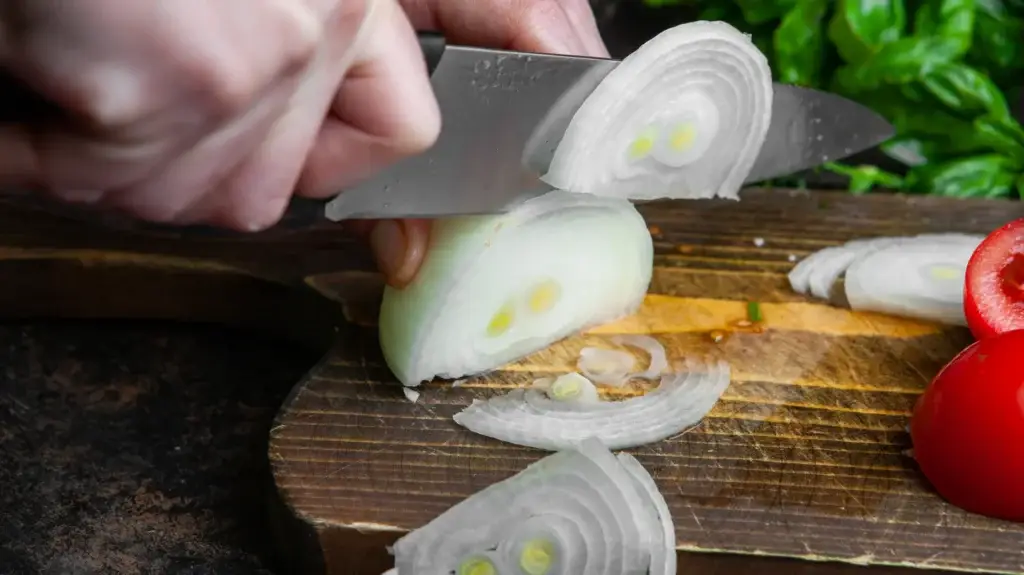
Your cutting board touches almost everything you eat, yet it rarely gets the attention your countertops or sink receive. A quick rinse after dinner feels like enough, but bacteria can survive in tiny knife grooves long after the surface looks clean.
Knowing how to clean a cutting board properly is one of the simplest habits that protects your family from foodborne illness. It takes a few extra minutes, and the payoff is a kitchen tool that actually stays safe to use.
The short version: wash your cutting board with hot, soapy water after every use, sanitize it regularly with a diluted bleach or vinegar solution, and dry it completely before storing it. Wooden boards also need occasional oiling to prevent cracking, and any board with deep grooves or persistent odors should be replaced.
Why cutting boards harbor more bacteria than you realize
Every time a knife touches a cutting board, it leaves behind a tiny groove. Over time, those grooves multiply, and they become the perfect hiding spot for bacteria from raw meat, poultry and produce.
Professional cleaners frequently find that bacteria on cutting boards build up faster in busy kitchens than people expect, simply because boards are wiped instead of properly washed. A damp sponge wipe removes visible debris, but it does not eliminate the microorganisms living deeper in the surface.
This matters even more in South Florida homes. Humidity slows down drying time, and a board that stays slightly damp for hours becomes an easier environment for bacteria to multiply. That is exactly why cutting board cleaning South Florida humidity routines need more attention than in drier climates.
In real kitchens, the boards that cause the most problems are not necessarily the oldest ones. A brand-new plastic board with a few deep knife marks can hold more bacteria than a well-maintained wooden board that gets oiled and dried properly. Material matters less than the daily routine behind it.
Plastic vs wood cutting boards: which is easier to keep clean
Both materials can be cleaned safely, but they behave differently over time, and knowing the difference helps you choose the right care routine.
Plastic boards are nonporous, which means liquids and bacteria sit on the surface rather than soaking in. They tolerate the dishwasher, bleach solutions and frequent washing without much wear, which makes them a practical choice for raw meat and poultry.
Wooden boards are slightly porous, but research on antimicrobial properties of wood has shown that certain hardwoods can actually trap bacteria below the surface, where they struggle to multiply and eventually die off. The tradeoff is that wood cannot handle the dishwasher or harsh bleach soaking, so it needs the gentler care described later in this guide.
Neither material is automatically safer than the other. What matters most is whether you wash it after every use, dry it completely and replace it once it shows real wear.
How to clean a cutting board after every use
A consistent routine is the most reliable way to keep your board genuinely clean, not just clean looking. Follow these steps every time you use it:
- Scrape off food residue with the back of a knife or a spatula.
- Wash the board with hot water and dish soap, scrubbing both sides.
- Rinse thoroughly to remove all soap residue.
- Stand the board upright or lay it flat on a drying rack so air reaches all sides.
- Store it somewhere dry, never stacked while still damp.
Plastic boards can usually go through a dishwasher cycle, which adds heat that helps kill bacteria. Wooden boards should never go in the dishwasher, since the heat and prolonged moisture cause warping and cracking.
If you are wondering how to sanitize cutting board surfaces between regular washes, a light bleach solution works well for nonporous boards. Mix one tablespoon of unscented liquid chlorine bleach with one gallon of water, apply it to the surface, let it sit for a minute, then rinse and dry completely.
Quick reference: daily cleaning routine
- Scrape, then wash with hot, soapy water after every use.
- Sanitize with a diluted bleach solution once or twice a week, or after handling raw meat.
- Dry completely before putting the board away.
How to disinfect a cutting board for raw meat and poultry
Raw meat and poultry carry a higher risk of cross-contamination than most other foods, so this step deserves extra care. According to the U.S. Department of Agriculture’s Food Safety and Inspection Service, keeping a separate cutting board for raw meat, poultry and seafood helps prevent bacteria from spreading to foods that require no further cooking, such as salads or bread.
Here is a simple system that works in most kitchens:
- Use one board exclusively for raw proteins.
- Reserve a second board for produce, bread and ready-to-eat foods.
- Wash and sanitize the meat board immediately after each use, never leaving it in the sink.
- Avoid placing cooked food back on a board that previously held raw meat unless it has been fully washed.
This habit alone removes most of the risk tied to cross-contamination, and it takes no extra time once it becomes routine.
Wooden cutting board care: drying, oiling and storage
Wood is a popular choice because it is gentle on knife edges, but wooden cutting board care requires a slightly different approach than plastic.
After washing, dry wooden boards immediately with a towel, then let them finish air-drying upright. Leaving a wooden board flat while wet traps moisture against the surface and encourages warping.
Every few weeks, rub a thin layer of food-grade mineral oil into the wood. This keeps the fibers from drying out and cracking, which would otherwise create new spaces for bacteria to settle. Avoid vegetable or olive oil, since these can turn rancid over time.
Bamboo boards behave similarly to hardwoods but are naturally more resistant to moisture absorption, which makes them a practical option for humid kitchens.
Common mistakes that undo your cleaning routine
Even people who care about kitchen hygiene fall into a few predictable traps. A cleaning routine that looks thorough on the surface can still leave bacteria behind if one of these habits slips in.
- Wiping the board with the same dish towel used on other surfaces.
- Letting the board air dry while lying flat against a damp counter.
- Cutting raw chicken and vegetables on the same board without washing in between.
- Using a board with deep grooves, assuming a quick wash is still effective.
- Storing boards in a closed cabinet while still slightly damp.
Each of these mistakes seems minor on its own, but together they explain why bacteria keep returning even when you think you are cleaning correctly. Many professional cleaners notice the same recurring issue during deep cleaning visits: the cutting board looks spotless, but it was put away while still damp, which undoes most of the benefit of washing it in the first place.
Signs it is time to replace your cutting board
No cutting board lasts forever. Once a board develops deep grooves that a sponge cannot reach, washing stops being enough.
Watch for these warning signs:
- Visible dark lines or staining that does not fade after washing.
- A persistent odor even after sanitizing.
- Cracks or splits, especially on wooden boards.
- Warping that causes the board to rock on the counter.
If you notice any of these, it is time for a replacement rather than another round of scrubbing.
Why South Florida humidity makes cutting board hygiene harder
South Florida’s climate adds a layer of difficulty that drier regions do not deal with. High humidity slows evaporation, so boards left to dry on a counter can stay damp for hours instead of minutes. Salt air and frequent air conditioning cycles can also affect how quickly wood dries and how it expands or contracts.
In practice, this means drying your cutting board thoroughly, ideally with help from a fan or open window, matters even more here than in other parts of the country. A board that never fully dries between uses is a board that never fully gets clean.
If your kitchen routine has slipped because of a busy schedule, a professional deep cleaning service can reset surfaces, appliances and high-touch areas like cutting boards, counters and sinks in one visit.
Frequently asked questions about cutting board hygiene
How often should I wash a cutting board? Wash it after every single use, even if it only touched bread or vegetables. Bacteria do not need raw meat to grow.
Can I use the same cutting board for meat and vegetables? Only if you wash and sanitize it thoroughly between each food type. Most kitchens benefit from keeping separate boards for raw proteins and produce.
Is vinegar effective for sanitizing a cutting board? White vinegar has mild antibacterial properties and works well for everyday maintenance, though a diluted bleach solution is more effective against tougher bacteria on nonporous boards.
Why does my wooden cutting board smell even after washing? Lingering odors usually mean bacteria or food particles are trapped in grooves. Try a baking soda paste, then consider oiling the board or replacing it if the smell persists.
Should I let my cutting board air dry or towel dry it? A combination works best: towel dry first to remove most moisture, then let it finish air-drying upright so no surface stays damp.
Is it safe to use the same cutting board for years without replacing it? Only if it stays free of deep grooves, cracks and persistent odors. Once any of those appear, the board can no longer be cleaned reliably, no matter how often you wash it.
Keeping your kitchen genuinely clean, not just clean looking
Cutting boards are easy to overlook because they look fine even when they are not. A simple daily routine, paired with regular sanitizing and a watchful eye for wear, keeps this everyday tool from becoming a hidden source of bacteria in your home.
The same logic applies to the rest of the kitchen. Counters, sinks and appliance handles go through the same cycle of daily use and quick wipes, which often means they need a deeper clean more often than people realize, especially in a humid climate where bacteria and mildew have an easier time taking hold. A board that gets washed properly every day, paired with a kitchen that gets a thorough reset every few weeks, covers both the daily habit and the deeper maintenance most homes eventually need.
If kitchen hygiene is one part of a bigger cleaning routine you have been meaning to catch up on, our routine home cleaning visits cover kitchens, bathrooms and living spaces on a schedule that fits your home.
Ready for a kitchen that is actually as clean as it looks? Schedule your cleaning service and let our background-checked team handle the details, from cutting boards to countertops, with products that are safe for your family and pets.