

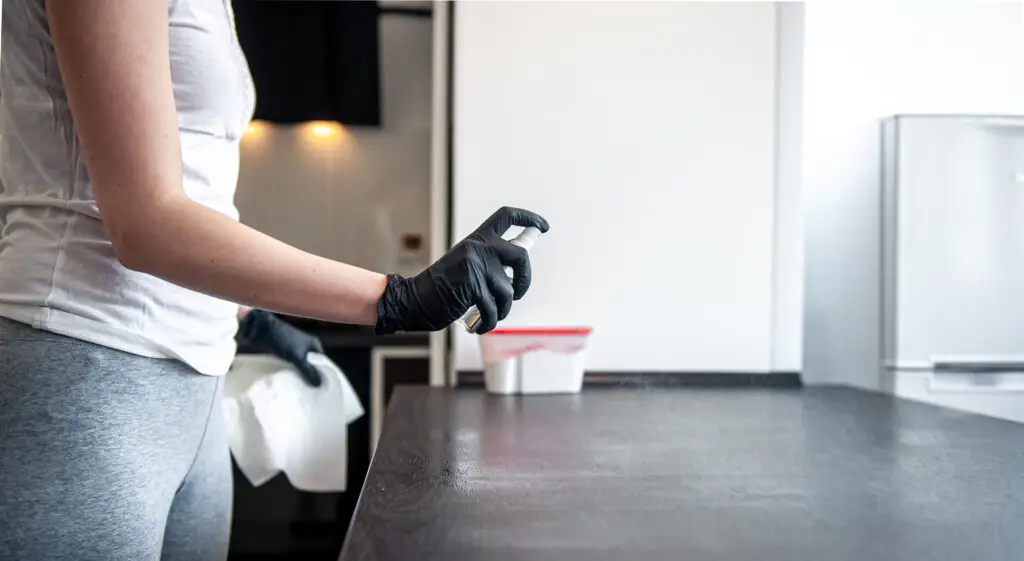
In any home or office, there are certain areas that see constant interaction throughout the day – hands touching, grasping, and operating them almost unconsciously. These are known as high-touch surfaces, and they are prime gathering spots for germs, bacteria, and viruses. Understanding how often you should clean high-touch surfaces for health and safety is crucial for preventing the spread of illness, maintaining a hygienic environment, and giving everyone peace of mind.
What are high-touch surfaces? (doorknobs, switches, handles, etc.)
High-touch surfaces are any areas that are frequently touched by multiple people throughout the day. They act as common transfer points for germs from hands to surfaces, and then from surfaces to other hands. Identifying them is the first step in effective cleaning strategies.
Common high-touch surfaces in homes and offices include:
- Doorknobs and Door Handles: Especially main entry doors, bathroom doors, and kitchen doors.
- Light Switches: In every room, particularly hallways, bathrooms, and kitchens.
- Cabinet Pulls and Drawer Handles: In kitchens, bathrooms, and offices.
- Appliance Handles: Refrigerator, microwave, oven, dishwasher handles.
- Faucets and Sink Handles: In bathrooms and kitchens.
- Toilet Handles/Flushers: In all bathrooms.
- Countertops: Kitchen counters, bathroom vanities, reception desks, conference tables.
- Remote Controls: TV remotes, gaming console controllers.
- Phones: Landline phones, cell phones (personal devices also need regular cleaning).
- Keyboards and Mice: Particularly in shared office spaces.
- Handrails: Staircase railings.
- Tables and Desks: Especially dining tables, coffee tables, and shared desks.
- Backs of Chairs: Where hands might rest.
Cleaning frequency for homes and offices
The ideal cleaning frequency depends on several factors, including the number of occupants, presence of illness, and overall foot traffic.
For homes:
- Daily: In homes, daily cleaning should focus on the most frequently touched surfaces, especially during cold and flu season or if someone in the household is ill. This includes:
- Kitchen countertops and sink area
- Bathroom sink, toilet handle, and faucet
- Main doorknobs and light switches that are used constantly.
- Every Few Days / 2-3 Times a Week:
- Less frequently used doorknobs and light switches.
- Appliance handles.
- Remote controls.
- Stair railings.
- Desks and tables that get regular use.
- Weekly (as part of a general cleaning routine):
- Thorough disinfection of all identified high-touch surfaces. This can often be integrated into your regular bathroom and kitchen cleaning routines.
For offices and commercial spaces:
- Multiple Times Daily (Hourly in high-traffic areas): In offices, where multiple individuals are present, cleaning frequency should be much higher.
- Shared workstations, keyboards, and mice.
- Conference room tables and chairs after each meeting.
- Reception desks and waiting room surfaces.
- Restroom fixtures (faucets, toilet handles, dispenser buttons).
- All shared appliance handles (microwave, refrigerator, coffee maker).
- Daily: All common high-touch surfaces not covered hourly.
- End of Day: A thorough wipe-down and disinfection of all individual workstations.
- Professional Cleaning Services: Most offices benefit significantly from professional cleaning services who can implement a robust, scheduled disinfection protocol to ensure consistent hygiene.
Effective disinfectants and techniques
Cleaning removes dirt, but disinfecting kills germs. Both are important.
- Cleaning First: Always clean surfaces with soap and water or a general all-purpose cleaner before disinfecting. Disinfectants work best on clean surfaces, as dirt and grime can inactivate their germ-killing properties.
- Approved Disinfectants: Look for products registered with the Environmental Protection Agency (EPA) as disinfectants. Check the product label for specific viruses or bacteria it’s effective against. Common active ingredients include:
- Bleach solutions (diluted, follow instructions)
- Alcohol (at least 70% alcohol)
- Hydrogen peroxide
- Quaternary ammonium compounds (Quats)
- Application Technique:
- Read the Label: The most critical step! Disinfectants often require a specific “contact time” (the amount of time the surface must remain visibly wet) to effectively kill germs. This can range from 30 seconds to several minutes.
- Spray or Wipe: Apply the disinfectant liberally to the surface.
- Allow Contact Time: Let the disinfectant sit wet on the surface for the recommended contact time.
- Wipe Dry (or air dry): After the contact time, wipe the surface dry with a clean cloth or allow it to air dry, depending on the product instructions.
- Wipes: Disinfecting wipes are convenient for quick clean-ups, but ensure you use enough wipes to keep the surface wet for the required contact time.
Balancing daily vs. Deep cleaning
A balanced approach ensures both routine hygiene and thorough sanitation.
- Daily/Frequent Cleaning: Focus on quick wipe-downs and disinfection of the most critical high-touch points. This is about immediate germ reduction.
- Weekly/Regular Cleaning: Integrate a more thorough disinfection of all high-touch surfaces into your routine. This is when you can ensure every doorknob, light switch, and remote control gets proper attention.
- Deep Cleaning: This extends beyond high-touch surfaces to the entire room. While deep cleaning might occur less frequently (monthly, quarterly), it complements high-touch surface cleaning by addressing dust, grime, and hidden areas where germs can accumulate. It’s often during deep cleaning that overlooked high-touch areas get their thorough wipe-down.
Reducing germ spread through smart practices
Beyond cleaning, proactive habits can significantly reduce germ transmission.
- Hand Hygiene: The most powerful tool! Encourage frequent handwashing with soap and water for at least 20 seconds, especially after coughing, sneezing, using the restroom, and before eating. Use hand sanitizer (at least 60% alcohol) when soap and water aren’t available.
- Cover Coughs and Sneezes: Use a tissue, or cough/sneeze into your elbow, not your hands.
- Avoid Touching Face: Remind yourself and others to avoid touching eyes, nose, and mouth, as this is a primary route for germs to enter the body.
- Dedicated Cleaning Supplies: Use separate cleaning cloths for bathrooms and kitchens to prevent cross-contamination. Wash cleaning cloths and mop heads frequently in hot water.
- Ventilation: Improve air circulation in rooms, especially bathrooms and kitchens, to reduce airborne particles and moisture that can harbor germs.
Maintaining clean high-touch surfaces is an essential component of a healthy environment, whether in your home or workplace. By understanding which surfaces need attention and implementing a consistent cleaning and disinfection routine, you can significantly reduce the risk of illness and ensure greater peace of mind for everyone. If managing this crucial task feels overwhelming, or you’re looking for professional expertise in maintaining a truly hygienic space, Maid Cleaning For You is here to provide reliable and thorough cleaning services.
Ready to ensure a healthier, safer environment? Contact Maid Cleaning For You today for a consultation and let us help you achieve unparalleled cleanliness!