

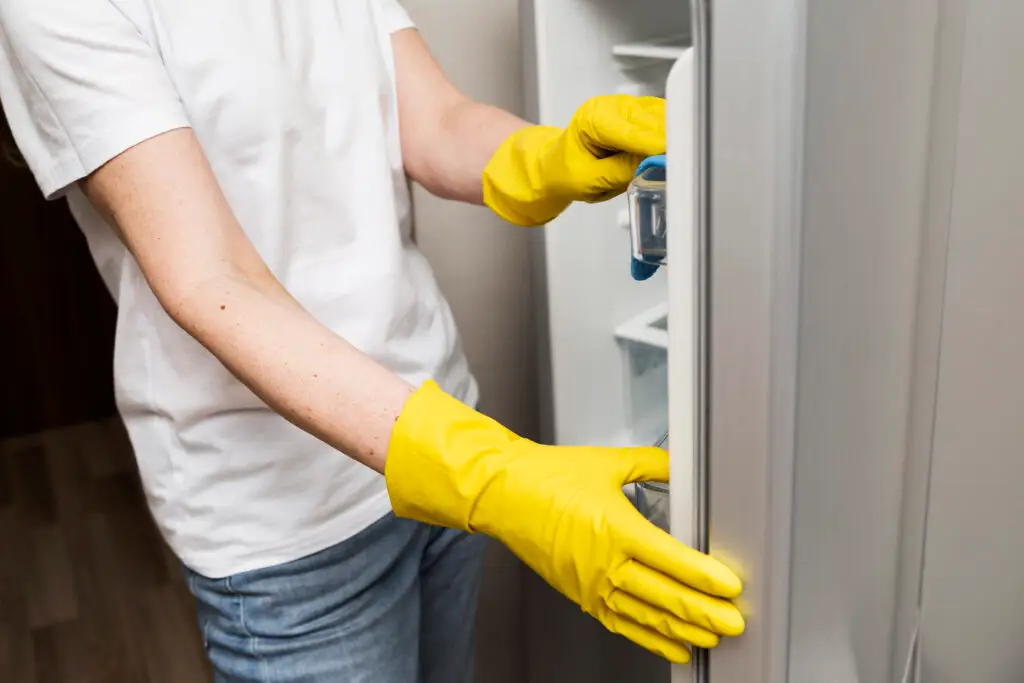
You’ve just spent time meticulously cleaning your refrigerator, wiping down shelves, scrubbing drawers, and even tossing expired food. Yet, you open the door, and that unpleasant odor still hits you. A lingering bad smell in your fridge, even after a good clean, can be incredibly frustrating and indicates that the source of the odor is hidden or deeply embedded. Don’t despair! There are often overlooked culprits and effective strategies for tackling even the most persistent refrigerator smells.
Common causes of lingering fridge odors
If your fridge still smells after a basic clean, the culprit is likely one of these less obvious sources:
- Hidden Spills and Drippings: Liquids from spoiled food (like meat juices, milk, or fruit extracts) can seep into tiny crevices, under shelves, or behind drawers, creating a hidden, pungent source of bacteria and odor.
- Door Seals (Gaskets): The rubber seals around the fridge and freezer doors are a common trap for crumbs, sticky spills, and even mold or mildew, which can emit a stale or musty smell.
- Drip Pan (Drain Pan): This pan, usually located at the bottom back of the fridge, collects condensation that drains from the defrost cycle. If not cleaned regularly, this stagnant water can become a breeding ground for mold, mildew, and bacteria, leading to foul, sewage-like odors.
- Water Dispenser/Ice Maker Components: If your fridge has a water dispenser or ice maker, the lines, trays, or filters can develop mold or mineral buildup that produces a musty or off smell.
- Absorbed Odors in Plastic: Plastic components (shelves, bins) can absorb strong food odors over time, becoming impregnated with smells even after washing.
- Produce Drawer Liners/Mats: If you use liners in your crisper drawers, they might be holding onto smells or moisture that encourages mold.
- Expired Filter: If your fridge has a built-in air filter or water filter, an old, unchanged filter can contribute to odors.
- Mold/Mildew Behind the Fridge: In some cases, if there’s a leak or high humidity, mold can grow on the wall behind the fridge or on the exterior components, creating a musty smell that permeates the area.
How to deep clean hidden spots
To eliminate those stubborn lingering odors, you need to go beyond surface cleaning.
- Check and Clean the Drip Pan:
- Locate: This pan is usually located at the very bottom of the fridge, behind the kick plate or accessible from the back. Consult your owner’s manual for its exact location and removal instructions.
- Remove and Wash: Carefully slide out the pan (it might be full of smelly water). Empty it and wash it thoroughly with hot, soapy water and a splash of white vinegar or bleach solution (if needed for mold). Scrub well, rinse, and dry completely before replacing.
- Scrub Door Seals/Gaskets:
- Using a small bowl of warm water with a few drops of mild dish soap and a splash of white vinegar, dampen a clean cloth or old toothbrush.
- Carefully scrub all crevices and folds of the rubber door seals. You’ll likely find dark grime and crumbs.
- For stubborn mold, a diluted bleach solution (1 part bleach to 10 parts water) can be used, but rinse very thoroughly afterward with plain water.
- Dry the seals completely to prevent future mold growth.
- Inspect Underneath and Behind Drawers/Shelves:
- After removing all items and shelves, use a flashlight to meticulously inspect every corner and crevice, especially where plastic components meet the fridge walls.
- Look for dried spills or dark spots. Use an old toothbrush or cotton swab dipped in a vinegar/water solution to scrub these areas.
- A baking soda paste can be applied to stubborn dried-on gunk, left for 15 minutes, then scrubbed and wiped away.
- Clean Water/Ice Dispenser Components:
- Consult your manual for specific cleaning instructions for your model’s water dispenser and ice maker.
- Often, you can remove and wash ice maker bins with hot, soapy water.
- For the dispenser nozzle, use a cotton swab soaked in white vinegar to clean inside and around it.
- Run a few cups of a vinegar/water mixture through the water dispenser line (if recommended by the manufacturer) to flush it, followed by plain water.
Natural deodorizers that actually work
Once the source of the odor is eliminated, these natural options help absorb lingering smells and keep your fridge fresh.
- Open Box of Baking Soda: The undisputed champion of fridge deodorizing. Place an open box or a bowl of fresh baking soda on a shelf in the back of your fridge. Replace it every 1-3 months.
- Activated Charcoal: More potent than baking soda for very strong odors. Place a small bowl of activated charcoal (available at pet stores or garden centers, often labeled for aquariums or terrariums) in your fridge. Replace every month or two.
- Oatmeal: A bowl of dry rolled oats can also absorb odors.
- Newspaper: Crumpled newspaper placed inside the empty, unplugged fridge for a few days (especially after a very bad odor incident) can absorb smells.
- Coffee Grounds: A small bowl of fresh, unused coffee grounds can absorb odors, but be aware it might impart a faint coffee scent to your fridge.
- Citrus Peels: Place fresh orange, lemon, or lime peels in a small bowl. They absorb odors while releasing a pleasant natural scent. Replace every few days.
When to replace fridge components
Sometimes cleaning isn’t enough, and replacement parts are necessary.
- Air Filters: Many modern refrigerators have a built-in air filter (often charcoal-based) designed to absorb odors. If your fridge has one, replace it every 6 months as recommended by the manufacturer. An old filter can stop working or even contribute to smells.
- Water Filters: If your fridge has a water dispenser or ice maker, replace the water filter every 6 months to a year, or as recommended. A clogged or old filter can cause musty or strange tastes/smells in your water and ice.
- Severely Stained/Impregnated Plastic: If a plastic drawer or shelf has absorbed a powerful odor (e.g., from spoiled meat) and no amount of cleaning or deodorizing helps, the plastic itself may be permanently impregnated. In this case, replacing the specific component might be the only solution.
- Damaged Gaskets: If your door seals are cracked, torn, or no longer form a tight seal, they need to be replaced. A poor seal allows warm, moist air into the fridge, promoting mold and bacterial growth, leading to odors and reduced energy efficiency.
Preventing bad smells in the future
Once your fridge is sparkling and odor-free, implement these habits to keep it that way:
- Immediate Spill Cleanup: Don’t let spills sit. Wipe them up immediately before they can dry, seep, or start to smell.
- Airtight Storage: Always store leftovers, strong-smelling foods (onions, garlic, cheese), and opened packages in airtight containers to prevent odors from spreading and food from spoiling faster.
- Weekly Purge: Make it a habit to quickly check expiration dates and discard any old or questionable food items at least once a week. This is best done right before your grocery shopping trip.
- Designated “Eat Me First” Area: Have a small bin or shelf for items that need to be consumed soon. This reduces waste and prevents forgotten items from going bad.
- Regular Wiping: Do a quick wipe-down of shelves and drawers every week or two, even if there isn’t a major spill.
- Maintain Air Circulation: Don’t overpack your fridge. Leave space for air to circulate freely, which helps maintain consistent temperatures and prevents odor pockets.
- Clean the Drip Pan Annually: Make cleaning the drip pan a part of your annual deep cleaning routine.
- Stay on Top of Filter Replacements: If your fridge has filters, mark your calendar for their replacement dates.
By being proactive and thorough, you can ensure your refrigerator remains a fresh, clean, and healthy environment for your food.
Still can’t get that smell out of your fridge, or need help with a truly deep kitchen clean? Contact Maid Cleaning For You today for professional home cleaning services that tackle every detail, ensuring your kitchen (and fridge!) is impeccably fresh and clean!