

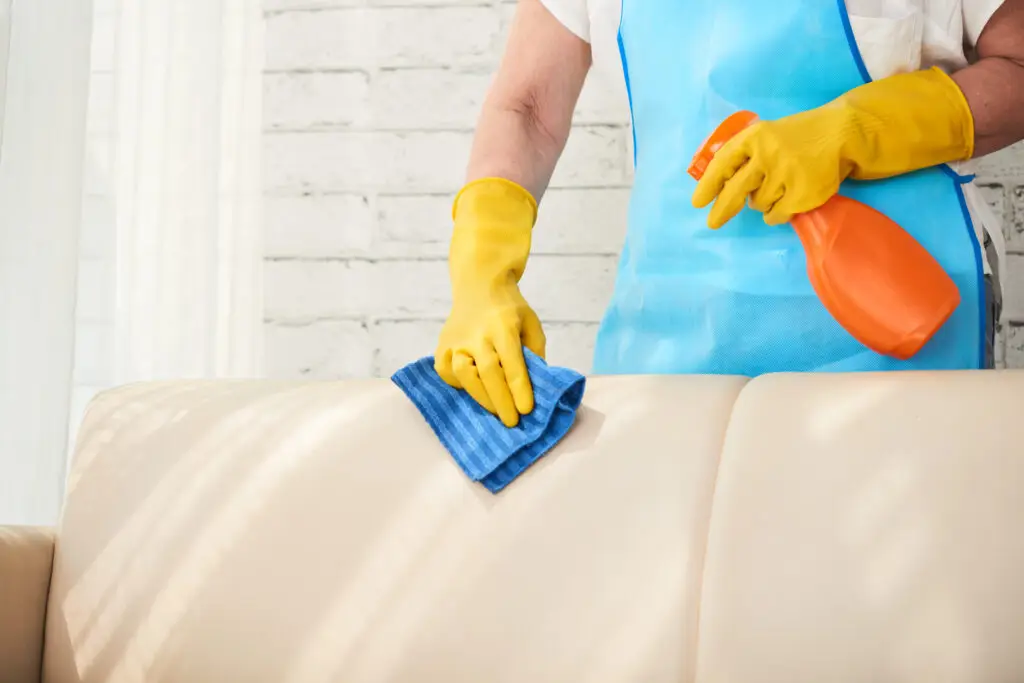
Your couch is the centerpiece of your living room—a place where you relax, entertain, and spend time with family. But with all that use, it inevitably collects dust, spills, and grime. While professional cleaning is a great option for a major deep clean, you can keep your sofa looking fresh and extend its life with a few simple DIY steps. This guide will walk you through the process, from a quick refresh to a more thorough clean, for every type of fabric.
Why Regular Couch Cleaning Matters
Allergens, Dust, and Stains
Your couch is a magnet for allergens like pollen and pet dander, as well as everyday dust and dead skin cells. These can become embedded in the fabric, affecting indoor air quality and triggering allergies. Regular cleaning helps remove these hidden particles, while also preventing spills from becoming permanent stains.
Extending Furniture Lifespan
Just like with any piece of furniture, proper care and maintenance can significantly extend the life of your couch. Preventing dirt from grinding into the fibers and addressing spills immediately helps maintain the fabric’s integrity and appearance, protecting your investment for years to come.
Tools & Products You’ll Need
Before you begin, gather your supplies. You likely have most of these at home already.
Vacuum with Upholstery Attachment
This is your most important tool. The upholstery attachment is designed to get into crevices and gently lift dirt and debris from the surface without damaging the fabric.
Mild Soap, Vinegar, or Upholstery Cleaner
The right cleaning solution depends on your couch’s fabric type.
- Fabric (Code “W” or “WS”): A mixture of a few drops of mild dish soap with warm water, or a mix of white vinegar and water, works well.
- Microfiber (Code “S”): Use a clear, undiluted rubbing alcohol in a spray bottle.
- Leather: Use a specialized leather cleaner or a simple, very mild soap and water solution.
Soft Cloths and Brushes
You will need a few clean microfiber cloths for blotting and wiping. A soft-bristled brush (like a stiff scrubbing brush or an old toothbrush) is helpful for working on stains.
Step-by-Step DIY Cleaning
Always check your couch’s cleaning code first. You can usually find it on a tag under a cushion or on the underside of the frame. This code (W, S, WS, or X) is crucial for knowing which cleaning method to use.
Vacuum Thoroughly
Start by giving your couch a complete vacuuming. Remove all the cushions and vacuum both sides of them. Use the crevice tool to get into the seams, under the cushions, and along the frame.
Spot Clean Stains
Once the surface is free of debris, it’s time to tackle any visible stains.
- Blot, Don’t Rub: Gently blot the stain with a clean, dry cloth to absorb as much as possible. Rubbing can spread the stain and push it deeper into the fabric.
- Test the Cleaner: Before applying any solution to a stain, always test it on a hidden area of the couch (like the back or a discreet corner) to ensure it won’t cause discoloration.
- Apply and Blot: Apply a small amount of your chosen cleaner to a clean cloth and gently dab at the stain. Repeat the process with a separate cloth dampened with plain water to rinse away the cleaner.
Deep Clean by Fabric Type
For Fabric Couches (Code W/WS): Mix a solution of warm water and a small amount of mild dish soap. Use a sponge or soft brush to gently scrub the entire surface of the couch with the soapy solution. Don’t over-saturate the fabric. Follow up with a clean, damp cloth to wipe away the soap residue.
For Microfiber Couches (Code S): Fill a spray bottle with rubbing alcohol. Lightly mist the surface of the couch. As the alcohol evaporates, use a clean, stiff brush to gently scrub the fabric. The alcohol will lift the dirt, and the brushing will restore the texture of the microfiber.
For Leather Couches: Use a leather-specific cleaner or mix a few drops of mild dish soap with warm water. Dampen a cloth with the solution and wipe down the entire surface. Use a second, clean damp cloth to wipe away the soap, and a third dry cloth to ensure the leather is completely dry.
Drying & Finishing
Air Drying vs. Fans
After a deep clean, proper drying is essential to prevent mold and mildew. Open windows and turn on fans to create good airflow. Avoid using a hair dryer or other high-heat sources, as this can damage the fibers.
Conditioning Leather Sofas
Once your leather sofa is completely dry, apply a leather conditioner. This step is crucial for replenishing the natural oils in the leather, preventing it from drying out, and keeping it soft and supple.
FAQs
How often should I deep clean my couch?
For most households, a deep clean every six months is a good rule of thumb. However, if you have children, pets, or your couch sees heavy use, a deep clean every three to four months may be necessary. For routine maintenance, vacuuming weekly and spot-treating stains immediately are the best practices.
Can I steam clean my sofa at home?
Yes, you can steam clean your sofa at home, but with caution. A steam cleaner can be a very effective tool for deep cleaning and sanitizing, especially for fabrics with a “W” or “WS” cleaning code. Never use a steam cleaner on an “S” or “X” coded fabric. Be careful not to over-saturate the fabric, and ensure there is ample ventilation for it to dry completely. For the best and safest results, professional upholstery cleaning services often have more powerful and effective steam extraction equipment.
Need a hand getting your couch looking like new? Maid Cleaning For You provides expert upholstery cleaning services that are safe, effective, and tailored to your furniture’s needs. Contact us today for a free estimate and a truly refreshed home!