

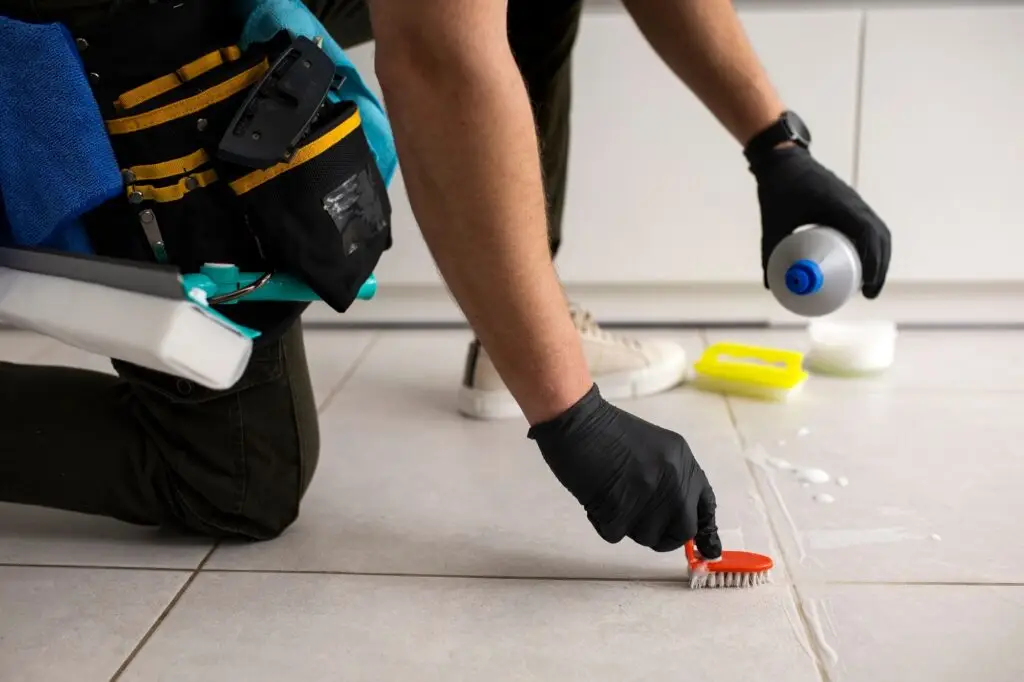
A build can look complete while still feeling unfinished. Fine dust clings to walls, settles into vents, and dulls new surfaces fast. Because of that, a smart plan matters more than extra effort.
This step-by-step guide breaks construction cleanup into a simple sequence you can repeat after any project. You’ll also learn what to expect from post-construction cleaning services, so you can compare options with confidence.
Why post-construction cleaning affects every surface
Post-construction mess is different from everyday dirt. It includes fine particles, residue, and installation debris that can smear, scratch, or keep resurfacing if you clean in the wrong order. Therefore, you need a process, not just supplies.
Done correctly, construction cleanup helps you:
- Reduce airborne particles and irritation
- Prevent haze on glass, stainless steel, and glossy paint
- Protect floors from grit-related scratching
- Spot issues early (drips, caulk smears, grout haze, scuffs)
- Deliver a true “move-in ready” finish
Just as important, construction cleanup works best when you go top to bottom and dry to wet. Otherwise, dust falls onto clean floors and you redo work.
Step 1: Safety-first setup for construction cleanup
Start by making the space safe and stable. This protects you and prevents damage to brand-new finishes.
Before construction cleanup, confirm:
- All sanding, cutting, and drilling is finished
- Contractors removed tools, blades, and loose fasteners
- Paint and caulk have cured enough for gentle wiping
- You can open windows or run ventilation (when conditions allow)
Wear the basics:
- N95 or P100 respirator
- Safety glasses
- Nitrile gloves
- Closed-toe shoes with good traction
To keep construction cleanup efficient, stage supplies in one “mobile kit”:
- HEPA shop vacuum with brush attachments
- Microfiber cloths (many—swap often)
- Soft detail brushes (vents, tracks, trim profiles)
- Neutral pH cleaner (safe for many finishes)
- A separate glass cleaner
- Two buckets (wash + rinse) and clean mop pads
Step 2: Remove large debris first (so you don’t spread it)
Big debris creates small debris. So, clear it early and keep your work zones open.
For faster construction cleanup, do a “gross pass”:
- Pick up scrap (plastic, cardboard, wood offcuts).
- Bag sharp items separately (blades, screws, staples).
- Remove painter’s tape only when paint is ready.
- Empty trash bins as you go, so you don’t overfill bags.
Then control the dust you can’t see. For dust removal after construction, avoid aggressive dry sweeping when possible. It can launch fine particles into the air and push them into corners.
Instead, use these low-dust moves during construction cleanup:
- Vacuum edges before open areas
- Use a soft brush head on baseboards and trim ledges
- Work one room at a time, and close doors when possible
Step 3: HEPA vacuum top-to-bottom for dust removal after construction
Now you tackle the “floating layer” that keeps resettling. This is where many people lose time, because they wipe too soon.
Use a top-down order for construction cleanup:
- Ceiling corners and light fixture exteriors
- Wall faces (especially textured surfaces)
- Door frames, trim, and baseboards
- Cabinets and shelving
- Floors last
Go slowly. A fast pass leaves embedded dust behind. Also, change or clean filters as needed, because clogged filters reduce suction and performance.
If concrete cutting or tile work created silica dust, treating it seriously is essential. The Occupational Safety and Health Administration (OSHA) provides comprehensive information on exposure risks and controls for respirable crystalline silica, which is a valuable resource for understanding safety protocols.
For stronger construction cleanup results, use a simple “two-angle rule”:
- First pass: vacuum straight lines
- Second pass: vacuum diagonally across the same area
This catches what clings to edges, grooves, and textures.
Step 4: Detail wipe without scratching (microfiber wins)
Once you control loose dust, switch to gentle wiping. However, keep cloths clean. A dirty cloth can drag grit and leave micro-scratches on glossy finishes.
For safer construction cleanup, damp-wipe (not soaking wet):
- Switch plates and outlet covers
- Door handles and rails
- Countertops and backsplashes
- Cabinet fronts and drawer pulls
- Window sills after you vacuum them
Use simple rules:
- Spray cleaner onto the cloth, not directly onto delicate surfaces
- Wipe in one direction, then flip the cloth to a clean side
- Replace cloths often instead of “stretching” one too long
During cleaning after home renovation, go light on fresh paint. Scrubbing too soon can burnish the finish or leave shiny patches. So, use minimal pressure and repeat gentle passes.
If you find sticker residue or tape glue, remove it carefully:
- Start with warm water and mild soap
- Step up to a surface-safe adhesive remover only if needed
- Test in a hidden spot first, especially on matte paint or coated metals
Step 5: Kitchen + bathroom reset (where residues hide)
Kitchens and baths collect more than dust. They also hold grout haze, silicone smears, and fine debris trapped in corners and tracks. Therefore, expect extra time here.
For consistent construction cleanup, use a three-pass method:
- Clear: vacuum and remove loose debris inside cabinets and drawers
- Clean: wipe surfaces with the right cleaner for the material
- Refine: dry-buff to remove streaks and haze
Focus on these “high-miss” areas:
- Cabinet frames, hinges, and shelf pin holes
- Under-sink plumbing and shutoff valves
- Faucet bases, aerators, and behind fixtures
- Shower door tracks and glass edges
- Tile corners where haze settles
If you see grout haze, don’t guess. Identify the tile first. Some stone and specialty tile need specific products and gentle methods. When in doubt, test a small hidden area before you commit.
This step often defines whether construction cleanup looks “pretty good” or genuinely polished.
Step 6: Floors and baseboards (protect new finishes)
Floors take the most abuse during construction traffic. Even after the last crew leaves, grit stays behind. So, don’t rush the final wash.
Use this floor sequence for construction cleanup:
- Vacuum edges and corners first
- Vacuum open areas slowly (two passes if needed)
- Dust-mop hard floors to grab remaining fine particles
- Mop with a neutral cleaner and a clean pad
- Rinse if your product requires it, then let floors dry fully
Match the method to the material:
- Hardwood: minimal water, soft pads only
- Vinyl/LVP: neutral cleaner, avoid waxy buildup products
- Tile: soft brush attention on grout lines, rinse well
- Carpet: HEPA vacuum first; consider hot-water extraction if dust is heavy
Then wipe baseboards last. That way, you remove any splash or drift from floor cleaning and finish the edges cleanly.
Step 7: Glass, mirrors, and the final inspection
Glass shows everything: drywall dust, fingerprints, silicone smears, and paint specks. Also, glass scratches if you rub grit across it. So, prep matters.
For streak-free construction cleanup on glass:
- Vacuum tracks and sills first
- Use a dedicated glass microfiber (not the same cloth used elsewhere)
- Clean edges and corners carefully, because residue collects there
- Dry-buff with a second cloth for clarity
Then do a structured final check. Walk the space twice:
- Once with overhead lights on
- Once in natural light near windows
Use this final inspection list:
- Top edges of doors and tall cabinets
- Vents and return grilles
- Inside closets and corners
- Behind toilets and under vanity edges
- Sliding door channels and window tracks
This step turns construction cleanup into a true “handoff-ready” finish.
What to expect from professional cleanup after construction
DIY works for small projects. However, larger jobs often need commercial tools, trained process control, and enough labor to finish on time. That’s why many people compare professional cleanup after construction options before move-in or turnover.
A solid construction cleanup scope often includes:
- HEPA vacuuming high-to-low across all rooms
- Wet wiping of trim, doors, cabinets, and reachable wall areas
- Detailed kitchen and bathroom cleaning
- Glass cleaning, including tracks and sills (confirm this in writing)
- Floor cleaning matched to the surface type
- A final quality check under strong lighting
When you compare providers, ask process questions, not just price questions:
- Do you use HEPA filtration for fine dust control?
- What’s included inside cabinets, drawers, and closets?
- How do you prevent dust from spreading room to room?
- Which products do you use on delicate finishes?
If you’re researching a new home construction cleaning service, confirm whether the team handles builder-style residue (labels, protective films, and adhesive) and whether they exclude specialty restoration (like paint correction or deep stain removal).
A simple checklist you can follow every time
If you want a quick guide, follow this order. It reduces rework and helps dust stay gone.
Repeatable construction cleanup sequence:
- Remove trash and large debris
- HEPA vacuum high-to-low
- Detail dusting and damp wiping
- Kitchen and bath refinement
- Floors: vacuum, dust-mop, then mop
- Glass and mirrors
- Final inspection and touch-ups
Because the steps build on each other, you’ll finish faster and get a cleaner result.
The Last Pass (and why it matters)
A pristine finish comes from timing and sequence, not harsh chemicals. When you start dry, control dust carefully, and inspect under real light, new spaces look truly complete. Use these steps, adjust for materials, and keep cloths and filters clean, and construction cleanup will consistently deliver the polished result you expect.
What kind of project are you cleaning up after (new build, partial remodel, or a single-room renovation)?