

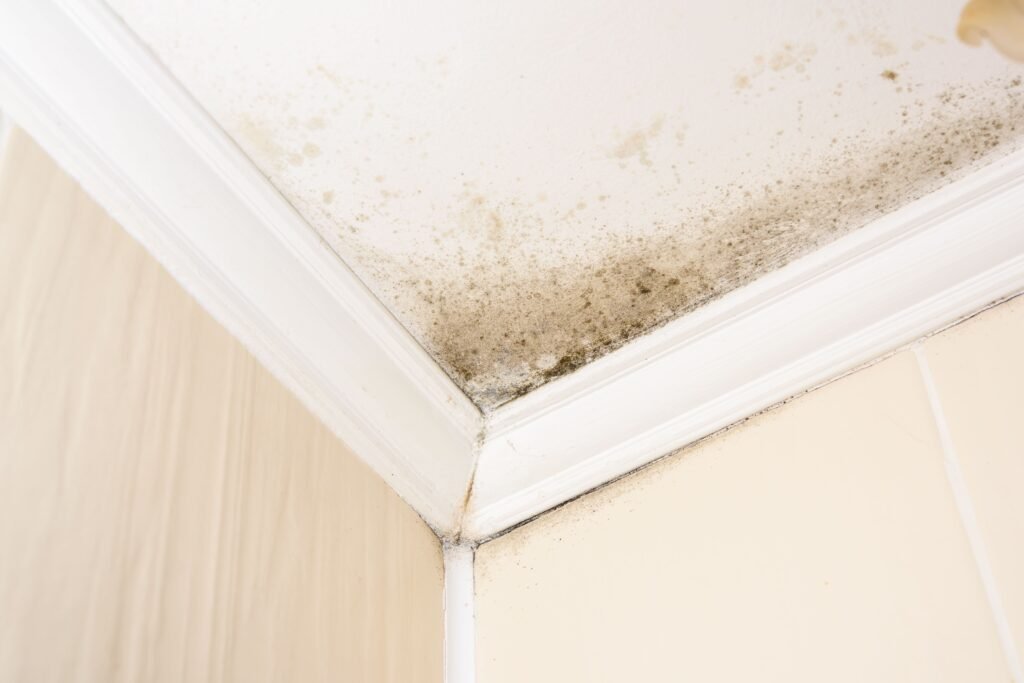
Mold and mildew are more than just an eyesore—they are indicators of an environment that is holding onto too much moisture. While serious structural water damage or deep-seated toxic mold requires specialized remediation professionals, most homeowners can significantly reduce the presence of surface-level mildew by adjusting their daily cleaning and maintenance habits. Preventing these unwanted guests is all about managing the “moisture-residue” cycle in your home.
Control Moisture First
Mold and mildew require moisture to thrive. If you stop the moisture, you stop the growth. This means treating every spill and splash as a potential risk factor.
- Be Proactive: Wipe down sinks after use and address plumbing leaks immediately. A small, dripping pipe under a vanity can create a massive mold colony in a dark cabinet within weeks.
- Target Zones: Keep a close watch on bathrooms, laundry rooms, and the areas under kitchen sinks. These rooms are prone to high humidity, making them the most common habitats for mildew.
- When to Call a Pro: If you find large, dark patches, widespread discoloration, or evidence of water seeping through walls, stop cleaning and contact a mold remediation specialist. These are structural issues that DIY cleaning cannot resolve.
Improve Ventilation in Damp Rooms
Airflow is your best defense. Stagnant, humid air acts like a greenhouse for mildew.
- The Power of the Fan: Always run your bathroom exhaust fan while showering and leave it on for at least 20 minutes afterward. If your fan feels weak, vacuum the dust out of the vent cover; it may be struggling to pull air effectively.
- Daily Airflow: Open doors and windows whenever the weather permits. If you have a basement, consider using a dehumidifier to keep relative humidity below 50%.
- Clear the Path: Don’t block air vents with furniture or storage boxes. Air needs to circulate around the perimeter of your rooms to dry out the nooks and crannies where mold loves to hide.
Clean Soap Residue and Organic Buildup
Mold doesn’t just eat moisture; it eats “food.” Soap scum, dead skin cells, body oils, and food particles are all organic matter that provide nutrition for mildew.
- Target the “Gunk”: Focus your cleaning on grout lines, the bead of caulk around the tub, and the undersides of faucets. These spots are hotspots for residue buildup.
- Gentle Consistency: You don’t need harsh chemicals. A consistent wipe-down with a microfiber cloth and a mild cleaner is enough to remove the organic “food” before mildew can take root. Avoid aggressive, abrasive scrubbing that can crack caulk or damage grout, as these microscopic fissures become the perfect hiding place for spores.
Keep Fabrics Dry and Washed
Your bathroom textiles are often the most overlooked contributors to musty odors.
- The Towel Rule: Towels left in a damp pile will develop a musty scent within hours. Always spread towels out fully to dry or hang them on a heated towel rack.
- Bath Mats & Curtains: Wash your bath mats and shower curtains regularly. If your fabric shower curtain liner starts showing pink or black spots, it’s a sign that it is holding onto too much moisture—replace it or wash it in hot water with a disinfecting agent.
- Laundry: Never leave wet laundry sitting in the washing machine. Transfer it to the dryer immediately to prevent mildew from developing on the clothes and inside the drum.
Watch for Early Warning Signs
Musty smells are the “early warning system” of your home. If you catch a faint, damp odor, don’t ignore it.
- Investigate: Look for dark spots on walls, peeling paint, or recurring stains in corners.
- Act Fast: If the growth is minor and on a surface (like tile), clean it immediately with a mildew-safe cleaner. Then, find the moisture source. If the smell persists or the growth returns quickly, there is likely a hidden leak or a ventilation failure that needs professional attention.
How Recurring Cleaning Supports Prevention
Consistency is the missing link for many busy homeowners. Regular professional cleaning provides a “reset” for your home, removing the soap scum, dust, and grime that daily maintenance might miss.
Maid Cleaning For You is designed to support a healthy home environment. We pay extra attention to high-moisture zones like bathrooms and kitchens, ensuring that residue buildup is cleared away before it can invite mildew. By choosing a recurring cleaning service, you stay one step ahead of the mess, keeping your surfaces cleaner and your home environment significantly healthier week after week.
Ready to stop the cycle of mold and mildew? Contact Maid Cleaning For You today to schedule your first visit and start enjoying a fresher, more consistent clean!
FAQ
What cleaning habits help prevent mildew?
The most effective habits include drying surfaces after water use, running ventilation fans consistently, and removing soap and food residue regularly to deny mildew a food source.
Why does mold keep coming back in my bathroom?
If mold returns quickly, it usually means there is a hidden moisture source (like a leak) or a lack of adequate ventilation, which keeps the room humid enough for spores to germinate repeatedly.
How often should bathrooms be cleaned to prevent mildew?
A quick wipe-down should happen after every shower. A thorough, deep clean—including grout and fixtures—should be done weekly to prevent the buildup of residue.
When is mold a bigger problem than regular cleaning can solve?
If you find widespread growth, mold inside walls, or if the musty odor is extremely strong despite your best cleaning efforts, you likely have a deeper water intrusion issue that requires professional remediation rather than surface cleaning.