

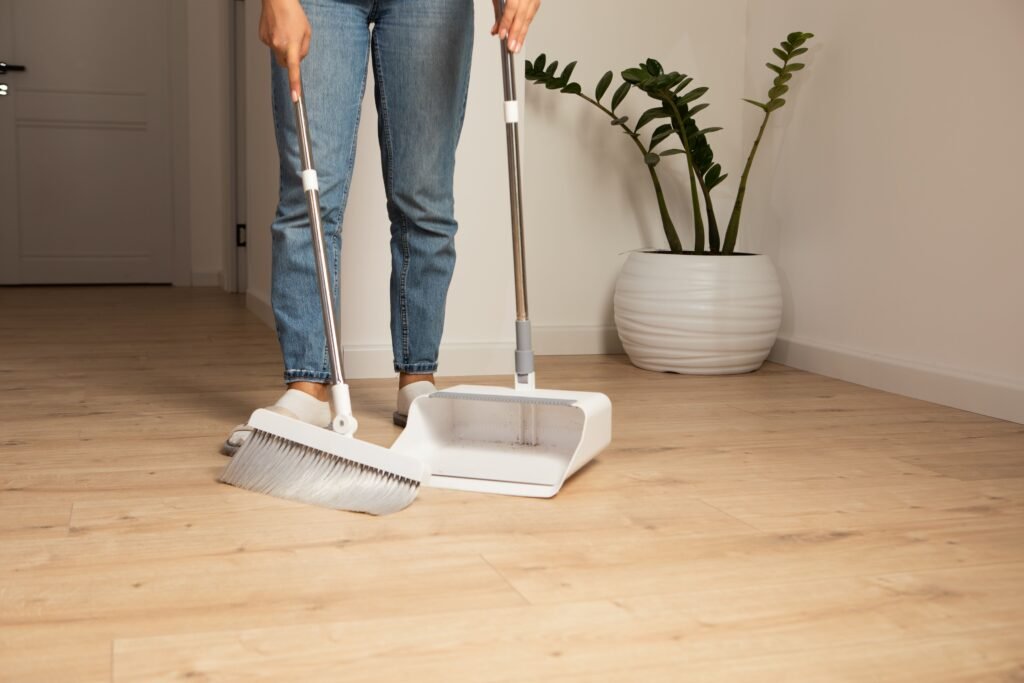
Household dust is a complex mixture. It includes everything from tiny fabric fibers and shed skin cells to outdoor dirt, pollen, pet dander, and the particulate matter stirred up by your home’s HVAC system. Because dust is constantly being generated, it feels like an endless battle. However, preventing dust from settling in the first place is significantly easier and more efficient than trying to clear away heavy, gray layers of buildup later. By adopting a few strategic habits, you can keep your surfaces clearer and your indoor air fresher.
Dust From Top to Bottom
Gravity is the primary driver of dust accumulation. If you clean your floors before you dust your shelves or ceiling fans, you are essentially guaranteeing that you will have to clean your floors twice. The most effective approach is to work from the highest points in a room down to the baseboards.
Start with ceiling fans, tall bookshelves, and light fixtures. As you work your way down, you will naturally move the dust toward the floor, where it can be collected by a vacuum. This method prevents the frustration of seeing a clean floor get covered in fine debris five minutes after you have finished mopping.
Make sure to look for areas homeowners often miss. Door frames, the tops of window blinds, air vents, lampshades, baseboards, and decorative crown molding are classic dust magnets. If you have trouble reaching these high areas, use extendable tools to ensure you can clean them thoroughly while keeping your feet safely on the ground.
Use Microfiber Instead of Dry Feather Dusters
Traditional feather dusters or dry, soft-bristled brushes are often counterproductive. They tend to flick dust particles into the air, allowing them to drift and settle on another surface just a few feet away.
Microfiber is a superior tool because its split fibers act like tiny hooks that grab and trap particles, holding onto them until you wash the cloth. For most hard surfaces, a slightly damp microfiber cloth works wonders. The moisture adds a little weight to the dust, preventing it from becoming airborne during the cleaning process.
When caring for your microfiber cloths, avoid using fabric softener. Fabric softener leaves a waxy coating on the fibers, which clogs them and significantly reduces their ability to pick up and hold dust. Always wash them separately from your cotton towels to keep them lint-free.
Vacuum Strategically
Vacuuming is your best defense against floor-level dust. Focus on carpeted areas, rugs, and upholstery, but do not neglect the hard-to-reach spots. Dust loves to hide in corners, under furniture edges, and along the transition strips between rooms.
If anyone in your household suffers from allergies, investing in a vacuum with HEPA filtration is a game-changer. These filters capture a high percentage of fine dust and allergens, preventing them from being blown out of the vacuum’s exhaust and back into your room.
The frequency of your vacuuming depends on your lifestyle. If you have pets, children, or high-traffic areas, you will need to vacuum more often to keep dust from being ground into the fibers of your flooring.
Reduce Dust at Entry Points
The best way to control indoor dust is to stop it at the door. A significant portion of household dust is actually tracked-in soil and pollutants.
Place high-quality doormats both outside and inside every entrance to catch grit and dirt before it reaches your living space. Enforcing a shoe-free policy inside your home is one of the most effective ways to reduce the amount of outdoor debris that ends up on your floors. Additionally, regularly shaking out your mats and wiping your pets’ paws after walks can prevent dirt from transforming into indoor dust, saving you from more frequent deep-cleaning sessions.
Maintain Fabrics That Hold Dust
Soft surfaces act like giant sponges for dust. Curtains, throw pillows, blankets, and upholstered furniture are frequently overlooked, yet they can hold an enormous amount of trapped particles.
Establish a routine for shaking out, vacuuming, or laundering these textiles. Headboards, sofa cushions, and decorative blankets should be part of your regular maintenance rotation. Before washing, always check the care labels to ensure you are using the correct temperature and cycle for delicate fabrics, which will help them last longer while keeping them dust-free.
When Recurring Cleaning Helps Control Dust
Even with the most diligent prevention habits, dust inevitably finds its way into the most difficult crevices of your home. Professional cleaning provides the consistency necessary to keep dust from reaching a level where it becomes noticeable or problematic.
Maid Cleaning For You can help homeowners maintain a cleaner, fresher home between deep cleanings. Our recurring cleaning services handle the detailed dusting of vents, baseboards, and high-touch surfaces that are easy to overlook. If you find that dust returns to your home quickly despite your best efforts, scheduling a recurring visit can help you maintain a cleaner baseline, allowing you to enjoy your home without the constant worry of buildup.
Ready for a home that feels fresher every day? Contact Maid Cleaning For You to schedule your first recurring cleaning visit and take the stress out of dust control!
FAQ
Why does my house get dusty so quickly?
Dust comes from a combination of indoor sources like skin cells, pet dander, and fabric fibers, as well as outdoor sources like dirt and pollen. If your home has poor airflow, lots of soft fabrics, or pets, dust can accumulate much faster.
What is the best way to dust without spreading dust?
The best method is to use a damp microfiber cloth. This traps the dust particles within the fibers of the cloth, preventing them from becoming airborne, rather than using a feather duster which often just moves dust from one surface to another.
How often should I dust my home?
For most homes, dusting high-traffic areas and surfaces weekly is sufficient. However, if you have pets or live in a particularly dusty area, you may find that doing a quick “touch-up” dust twice a week keeps the buildup under control.
Does professional cleaning help reduce dust buildup?
Yes. Professional cleaners use high-quality tools and systematic methods to remove dust from hard-to-reach places, such as crown molding, vents, and behind furniture, preventing the “layering” effect that makes dust difficult to manage on your own.