

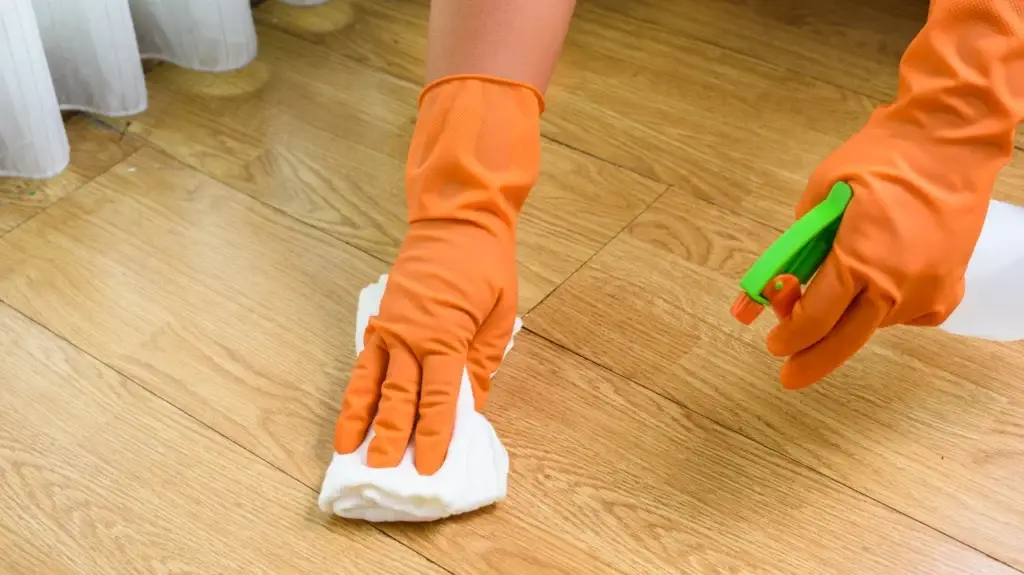
Floors take more daily wear than almost any other surface in your home. Every footstep, spill, and tracked-in particle lands on them. Yet many homeowners use the same product on every floor type, which can cause real damage over time. What works well on vinyl can dull hardwood. What is safe for sealed wood can strip engineered hardwood finishes.
Knowing how to clean wood floors and vinyl floors correctly means choosing the right products, the right frequency, and accounting for the specific conditions in your home. In South Florida, humidity and coastal sand add layers to that calculation that homeowners in drier climates do not have to consider.
Why floor type matters more than you think
Hardwood floors are porous and sensitive to water. Too much moisture causes warping, swelling, and eventual cracking. Certain products, particularly oil soaps and wax-based cleaners, leave residue that clouds the finish and makes floors progressively harder to refinish.
Vinyl floors are waterproof and much more tolerant of moisture. However, abrasive cleaners scratch them over time, and certain solvents dissolve the adhesive used in some vinyl plank installations.
Because South Florida’s humidity adds an additional layer of complexity, using the right products is especially important in this region.
Cleaning hardwood floors
What you need
- Soft-bristled broom or microfiber dust mop
- Vacuum with hardwood-safe attachment (no beater bar)
- Microfiber mop with washable pad
- pH-neutral hardwood floor cleaner
- Warm water, used sparingly
Step by step
Sweep or dry-dust daily. Use a microfiber dust mop or soft-bristled broom to remove surface debris as frequently as practical. Sand, grit, and dirt act like sandpaper under foot traffic, gradually scratching the finish. In South Florida, where outdoor living means constant sand and debris tracking, this step is particularly important.
Vacuum weekly. Use a vacuum with a hardwood-specific setting or bare-floor attachment with no beater bar. A rotating beater bar scratches the surface. Vacuum with the grain of the wood to collect debris from between the boards.
Mop with a damp (not wet) microfiber mop. Apply a small amount of pH-neutral hardwood floor cleaner to the mop pad. Wring so the mop is barely damp. A wet mop deposits too much moisture, which can penetrate the finish and cause clouding or swelling over time.
Work in sections, following the direction of the wood grain. Allow the floor to dry completely before walking on it.
Use the right cleaner. A pH-neutral hardwood floor cleaner (such as Bona Hardwood Floor Cleaner) cleans without leaving residue or damaging the finish. Avoid vinegar and water on hardwood floors. Though vinegar is effective on many surfaces, its acidity gradually dulls polyurethane finishes. Also avoid oil soaps, wax-based products, and general all-purpose sprays, which leave residue that clouds the finish and attracts more dirt.
Engineered hardwood in South Florida’s humidity
Engineered hardwood consists of a real wood veneer over a plywood or HDF core. It is more stable than solid hardwood in humid climates but still not immune to moisture damage.
Because South Florida’s humidity levels are consistently high, a few additional precautions help:
- Run the air conditioning consistently to maintain indoor humidity below 50%
- Use area rugs in high-traffic zones and near entryways
- Address spills immediately. Liquids that sit on engineered hardwood for any length of time can penetrate the veneer
- Avoid steam mopping, which forces moisture into the wood and can void manufacturer warranties
Cleaning vinyl floors
Vinyl floors, including luxury vinyl plank (LVP) and vinyl tile, are among the most low-maintenance flooring options available. They are waterproof, resistant to most stains, and durable under daily use.
What you need
- Soft-bristled broom or microfiber dust mop
- Mop
- Mild dish soap or vinyl floor cleaner
- Warm water
Step by step
Sweep or vacuum regularly. Like hardwood, vinyl benefits from frequent dry cleaning to remove grit that causes surface scratches.
Mop with warm water and mild soap. Unlike hardwood, vinyl tolerates wet mopping. Mix a small amount of mild dish soap or vinyl floor cleaner into a bucket of warm water. Mop in sections.
However, avoid soaking the floor if the vinyl plank is installed with adhesive. Excessive water can penetrate seams and weaken the adhesive.
Rinse if needed. If you use a soapy solution, follow with a pass of a clean, damp mop to remove soap residue. Residual soap creates a film that attracts dirt and makes the floor look dull faster.
What to avoid on vinyl: Abrasive scrubbers or steel wool. Solvent-based cleaners such as acetone or mineral spirits, which dissolve the vinyl surface. Wax or polish, which is not compatible with most modern vinyl. Rubber-backed mats left long-term, which can stain certain vinyl products.
Removing stubborn stains from vinyl
For scuff marks, rub with a small amount of rubbing alcohol on a soft cloth. For food or liquid stains, the warm-water-and-soap method handles most of them. For more stubborn stains, a paste of baking soda and water applied with a soft cloth provides mild abrasion without damaging the surface.
Comparing wood and vinyl side by side
| Factor | Hardwood | Vinyl |
|---|---|---|
| Water tolerance | Low: damp mop only | High: wet mopping is fine |
| Best cleaner | pH-neutral hardwood cleaner | Mild dish soap or vinyl cleaner |
| Vinegar safe? | No: dulls finish over time | Generally yes, diluted |
| Steam mopping | Never | Avoid, especially with adhesive LVP |
| Cleaning frequency | Daily sweep, weekly damp mop | Sweep frequently, mop as needed |
Floor care in South Florida homes
South Florida’s combination of beach sand, year-round humidity, and constant outdoor-indoor movement creates floor care challenges that are easy to underestimate. A few habits make a significant difference:
- Place entry mats at all exterior doors to capture sand and debris before it reaches the floor
- Remove shoes at the door. Beach sand is fine-grained and abrasive, damaging both hardwood and vinyl finishes under foot traffic
- Address spills immediately on hardwood
- Use felt pads under all furniture legs on every floor type
For more guidance on maintaining floors and other surfaces throughout your home, the house cleaning troubleshooting guides offer practical, surface-specific advice that applies across different room types and situations.
When floors need professional attention
Over time, hardwood floors may lose their finish and require refinishing: sanding down and recoating. This is a professional service that restores floors to near-original condition. Signs that refinishing may be needed include visible scratches through the finish, persistent dullness that does not respond to cleaning, or worn areas where the finish has disappeared entirely.
Vinyl floors generally do not require refinishing, but damaged planks or tiles can be replaced individually. If a deep cleaning service is on your list for the rest of the home, floors are typically part of what that level of clean addresses.
Clean floors, the right way
Knowing how to clean wood floors and vinyl floors with the correct products and techniques protects your investment and keeps your home looking its best. The differences between these materials are significant, and using the right approach for each makes a real difference in their long-term appearance and condition.
Sweep consistently, mop with the appropriate product, and address spills promptly. In South Florida’s climate, managing indoor humidity and minimizing tracked-in sand are equally important. Together, these habits keep your floors clean and undamaged for years to come.