

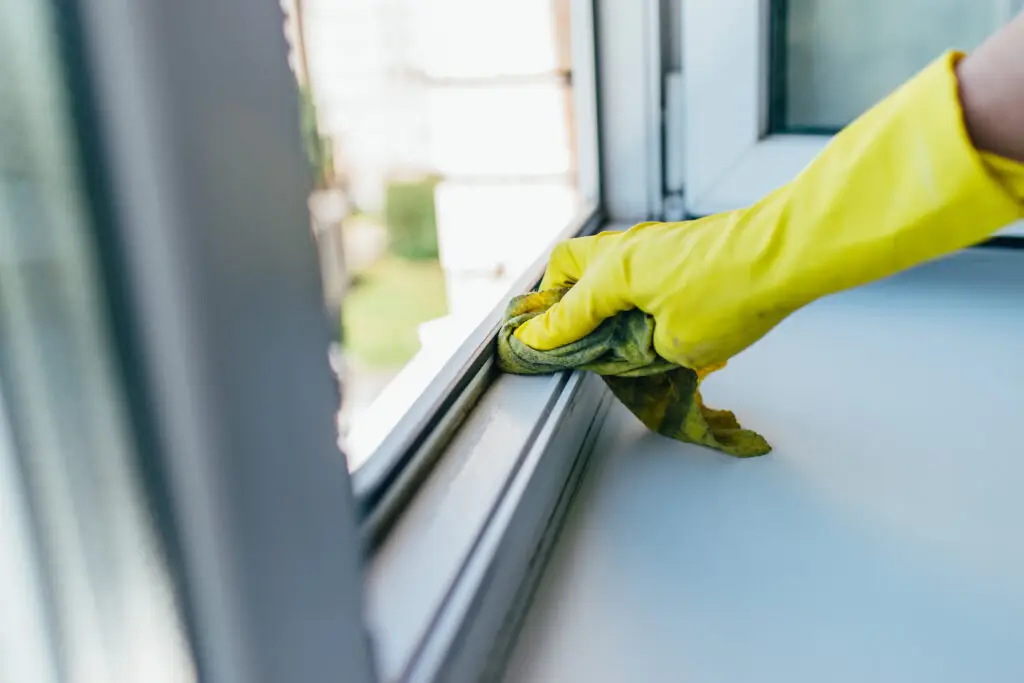
Window sills, often overlooked, are surprisingly dirty hotspots in any home. Exposed to the elements from outside and accumulating dust and grime from within, they quickly become magnets for dirt, pollen, dead insects, and even mold. Learning the best way to clean window sills can dramatically improve your home’s appearance and hygiene. With the right tools and techniques, you can keep them pristine, whether you’re doing a quick tidy-up or a thorough deep clean.
Why window sills accumulate dirt and mold
Window sills are uniquely positioned to collect a variety of unsightly substances:
- Dust and Airborne Debris: Inside, gravity pulls household dust, pet dander, and lint down onto the sills.
- Outside Elements: When windows are open, pollen, dirt, leaves, and insect debris blow directly onto the sills. Rain and melting snow can also deposit dirt.
- Moisture and Condensation: Humidity from inside (cooking, showering) and outside (rain, dew) can lead to condensation on window panes. This moisture often drips down onto sills, creating a damp environment.
- Temperature Fluctuations: The constant heating and cooling of the sill surface can attract dust through static electricity and create ideal conditions for condensation.
- Prime for Mold: The combination of dirt and persistent moisture makes window sills a prime breeding ground for mold and mildew, especially in humid climates or during certain seasons.
Tools and cleaners you’ll need
Gathering your supplies beforehand makes the job more efficient.
- Vacuum with Crevice Tool: Essential for removing loose debris, dust, and dead insects.
- Stiff-Bristle Brush or Old Toothbrush: Great for scrubbing stubborn grime in corners and crevices.
- Microfiber Cloths: Several clean ones for cleaning, rinsing, and drying.
- Small Bucket or Spray Bottle: For mixing cleaning solutions.
- Warm Water: The base for most cleaning.
- Mild Dish Soap (pH-neutral): Your go-to for general dirt and grime.
- White Distilled Vinegar: Excellent for cutting through grease, dissolving mineral deposits, and killing mold/mildew.
- Baking Soda: A gentle abrasive for tough spots and a natural deodorizer.
- Melamine Foam Sponge (e.g., Magic Eraser): Effective for scuffs and stubborn marks on vinyl or painted sills (use gently, test first).
- Gloves: To protect your hands.
- Safety Goggles (Recommended): If dealing with significant mold or using stronger solutions.
How to clean wood, vinyl, and aluminum sills
The material of your window sill dictates the best cleaning approach to prevent damage.
For wood window sills (painted, stained, or varnished):
- Dry Clean First: Use a vacuum’s crevice tool or a stiff brush to remove all loose dirt, dust, and debris.
- Damp Wipe: Mix a few drops of mild dish soap in warm water. Dampen a microfiber cloth, wring it out very well (wood hates excessive moisture).
- Wipe Gently: Wipe down the sill, focusing on grimy areas.
- Rinse & Dry: Use a separate clean cloth dampened with plain water to rinse off any soap residue. Immediately dry the wood thoroughly with a third, dry cloth to prevent water damage or spotting.
- For Scuffs/Marks: For painted wood, a very gentle rub with a lightly dampened melamine foam sponge can work (test first!). For stained wood, avoid harsh abrasives.
- Condition (Optional): After cleaning, you can apply a small amount of wood furniture polish or conditioner to nourish and protect the wood.
For vinyl window sills:
- Dry Clean First: Vacuum or brush away all loose dirt and debris.
- General Cleaning: Mix warm water with a few drops of mild dish soap. Use a microfiber cloth or soft sponge to scrub the sill. For textured vinyl, a brush can help.
- For Stubborn Grime/Scuffs: A melamine foam sponge works wonders on vinyl. Dampen it slightly and gently rub the scuff or grime.
- Rinse & Dry: Wipe down with a clean, damp cloth to remove soap residue, then dry thoroughly to prevent water spots.
For aluminum window sills:
- Dry Clean First: Remove all loose debris with a vacuum or brush.
- Basic Cleaning: Use warm, soapy water (mild dish soap) and a microfiber cloth to wipe down the aluminum.
- For Oxidation/Dullness: For outdoor aluminum or if it looks dull, a solution of warm water and a small amount of white vinegar can help. For heavier oxidation, specialized aluminum cleaners or polishes may be needed (test first!).
- Rinse & Dry: Rinse well with clean water and dry immediately to prevent water spots, which can be very noticeable on aluminum.
Removing mold and preventing its return
Mold on window sills is a common issue due to condensation and trapped moisture.
- Safety First: Wear gloves and ensure the room is well-ventilated (open window, turn on fan).
- For Surface Mold (on most materials):
- Mix equal parts white distilled vinegar and water in a spray bottle.
- Spray the moldy areas generously. Let the solution sit for at least 15-30 minutes (vinegar needs dwell time to kill mold spores).
- Scrub gently with a stiff-bristle brush (like an old toothbrush) for crevices, or a soft sponge for flat areas.
- Wipe thoroughly with a clean, damp cloth.
- For very stubborn mold on non-porous surfaces (like vinyl, painted wood with good finish), a diluted bleach solution (1 part bleach to 10 parts water) can be used as a last resort. NEVER mix bleach with vinegar or ammonia. Rinse extremely thoroughly if using bleach.
- Dry Completely: This is crucial. Use a dry cloth to absorb all moisture, then allow the area to air dry completely. You can use a fan to speed up drying.
- Preventing Recurrence:
- Increase Ventilation: Run bathroom fans, use kitchen range hoods, and open windows daily, especially in humid conditions or after showering/cooking.
- Reduce Condensation: Keep blinds or curtains slightly open to allow air circulation around windows. Consider using a dehumidifier if indoor humidity is consistently high.
- Wipe Down Condensation: Make it a habit to wipe away condensation from windows and sills daily, especially during colder months.
- Address Leaks: Fix any window leaks promptly to prevent water from pooling on sills.
Seasonal maintenance tips
Adapting your cleaning routine to the seasons can help keep sills cleaner year-round.
Spring cleaning (after pollen season):
- Thoroughly vacuum and deep clean all sills to remove accumulated winter grime, dust, and heavy pollen.
- Inspect for any mold growth that may have developed over winter.
- Reapply polish/conditioner to wood sills.
Summer cleaning (frequent dusting):
- Focus on frequent dry dusting to remove incoming pollen, outdoor dust, and insect debris from open windows.
- Wipe away any unexpected rain or dew that collects.
Fall cleaning (before winter):
- Give sills a thorough deep clean before closing windows for colder months.
- Pay attention to any lingering mold or mildew, as trapped moisture will worsen over winter.
- Ensure sills are completely dry before winter, to prevent damage from freezing moisture.
Winter cleaning (condensation control):
- Focus on wiping down condensation from windows and sills daily to prevent mold.
- Occasional light dusting as needed.
By implementing these cleaning and maintenance tips, your window sills will no longer be forgotten grime traps, but rather clean, well-maintained details that enhance your home’s overall cleanliness and appeal.
Don’t let dirty window sills detract from your beautiful views! For a truly comprehensive clean that leaves every detail sparkling, contact Maid Cleaning For You today for professional home cleaning services that ensure your entire home shines, from the windows out!