

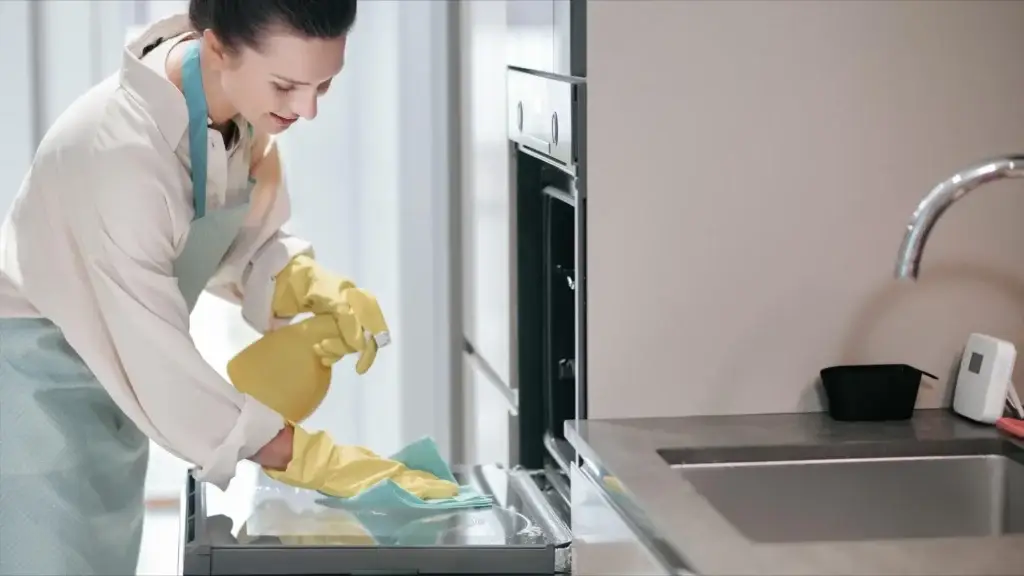
A dirty microwave is one of the most common kitchen problems and one of the most ignored. Food splatters harden over time, odors build up, and what was a small mess becomes a stubborn problem that feels like it needs serious effort to fix.
The good news is that the best way to clean a microwave does not involve scrubbing at all. With the right method, steam does the hard work for you, and the whole process takes about fifteen minutes.
Why microwave cleaning is easier than you think
Most people avoid cleaning their microwave because they expect dried food to resist removal. However, that assumption leads to a lot of unnecessary effort. Heat and steam loosen even hardened splatter almost instantly.
Because the microwave is a sealed environment, creating steam inside it turns those crusty residues soft enough to wipe away with a damp cloth. In addition, this method works with ingredients you already have in your kitchen.
The steam method: best way to clean microwave buildup
This is the most effective and least labor-intensive approach available.
What you need:
- A microwave-safe bowl or large mug
- White vinegar or lemon juice
- Water
- A clean microfiber cloth or paper towels
How to do it:
Fill the bowl with one cup of water and add two tablespoons of white vinegar or the juice of half a lemon. Place the bowl in the microwave and heat it on high for three to five minutes, until the liquid comes to a full boil and the interior is filled with steam.
Do not open the door right away. Let the bowl sit inside for another three to five minutes. The steam continues to work on the walls and ceiling of the microwave even after the heat stops.
Carefully remove the bowl — it will be hot. Then, use a clean cloth to wipe down every interior surface. The splatter and grease will come off easily, with almost no resistance.
This is, without question, the best way to clean microwave surfaces quickly and without chemicals.
Cleaning the turntable and the door
The turntable plate and the door require their own attention. Remove the glass turntable, wash it with warm soapy water, and dry it before putting it back. It is often the dirtiest part of the microwave because food spills directly onto it.
For the door, wipe the inside with the same damp cloth you used on the interior. Pay close attention to the edges and the rubber seal, where grease tends to accumulate. For the outside of the door, a small amount of dish soap on a damp cloth works well.
Moreover, clean the door handle regularly. It is touched dozens of times a day and collects bacteria from hands that have been handling raw food.
How to clean a microwave with vinegar: the full approach
If you want a deeper clean, microwave cleaning with vinegar goes a step further than the basic steam method.
Mix equal parts white vinegar and water in a spray bottle. After completing the steam cycle, spray the interior surfaces directly and let the solution sit for a minute before wiping. The acidity in vinegar cuts through grease and helps neutralize odors at the same time.
This is particularly useful if your microwave has developed a persistent smell that plain steam does not fully eliminate. Fish, garlic, and reheated leftovers can leave odors that linger even after the visible mess is removed.
Because vinegar is a natural disinfectant, this approach also reduces bacteria on interior surfaces without harsh chemicals. It’s important in a home with children or pets.
Removing stubborn, baked-on residue
In some cases, you may encounter spots that still resist after the steam treatment. For those areas, apply a small paste made from baking soda and water directly to the residue. Let it sit for two to three minutes, then wipe gently.
Baking soda is mildly abrasive, which makes it effective on tough spots without scratching the interior coating of the microwave. However, avoid using metal scrubbers or steel wool — these will scratch and damage the interior permanently.
If the residue is concentrated at the bottom, under the turntable, remove the turntable ring as well and clean underneath it. This area is easy to forget but often holds the most buildup.
Microwave cleaning hacks that actually save time
A few small habits make future cleanings much faster.
The most effective one is covering food before heating it. A microwave-safe lid or a damp paper towel placed over dishes prevents most splatter from reaching the walls in the first place. This one habit alone reduces cleaning time significantly.
In addition, wipe the interior with a damp cloth every week, even if there is no visible mess. Fresh, light residue comes off easily. The same residue left for two weeks becomes the hardened buildup that motivated you to read this guide.
Finally, place a microwave-safe splatter guard over bowls of soup, sauce, or anything liquid. These cost a few dollars and prevent the worst messes entirely.
How often should you clean your microwave?
A quick interior wipe after heavy use, or at least once a week, keeps odors and light buildup from accumulating. A full steam clean every two to four weeks is enough for most households.
However, if your microwave is used multiple times a day or if you frequently reheat strong-smelling foods, cleaning more often makes sense. In South Florida’s warm climate, food odors can intensify inside appliances faster than in cooler regions, so staying on top of it is especially worthwhile.
How to clean a microwave that smells
Odors are often the most frustrating microwave problem. Even after you remove visible residue, the smell of fish, garlic, or burnt food can persist for days.
The best approach for microwave odor removal is a two-step process. First, complete the steam method with lemon juice rather than vinegar. Lemon is a natural deodorizer and leaves a fresh scent rather than the sharp smell of vinegar.
After wiping the interior, place a small bowl of baking soda inside the microwave and leave it overnight with the door slightly ajar. Baking soda absorbs residual odors from the interior surfaces and the air inside the appliance. By morning, the smell is significantly reduced or gone completely.
If the odor is still present after this treatment, check the grease filter on microwave-over-range models. This filter traps cooking vapors and can become heavily saturated over time, producing its own persistent smell even after the interior is clean. Remove it, soak it in hot soapy water, and replace it when dry.
Microwave cleaning tips for households with heavy use
Some households use the microwave constantly — reheating leftovers, cooking vegetables, defrosting proteins. For these kitchens, a more structured approach to microwave cleaning pays off.
Keep a damp microfiber cloth near the microwave and wipe the interior after any particularly messy use. This takes thirty seconds and prevents the residue from hardening. In South Florida’s warm kitchen environment, food residue dries and bakes onto surfaces faster than in cooler climates, so acting quickly matters.
Once a week, do a quick steam cycle with water and vinegar, even if the microwave looks clean. This prevents buildup from accumulating to the point where it requires real effort to remove. The five minutes you invest weekly saves you from a thirty-minute cleaning session later.
Moreover, clean the exterior control panel with a slightly damp cloth. Button edges and the number pad collect grease transferred from hands during cooking. This is a hygiene issue as much as an appearance one.
Safe cleaning products for microwaves
Not every cleaning product is appropriate inside a microwave. Avoid spraying any product directly inside and then running the microwave without wiping thoroughly first. Residual chemicals can vaporize when heated and end up in your food.
The safest options are white vinegar, lemon juice, mild dish soap diluted in water, and baking soda. These are all food-safe in the quantities used for cleaning and completely effective for the task.
Commercial microwave cleaners exist, but they are generally unnecessary. The steam method with vinegar or lemon achieves the same result without any additional products. As a result, your cleaning kit stays simple and your kitchen stays free of products that small children might access.
When the microwave is part of a bigger kitchen problem
Sometimes a dirty microwave is a symptom of a kitchen that has gotten ahead of you. Grease on the backsplash, buildup around the stovetop, residue in the fridge. It all adds up, and no single cleaning session feels like enough.
The regular cleaning services include the kitchen as part of a consistent home maintenance routine, so these small problems never turn into big ones. And when you need a more thorough reset, deep cleaning services cover every appliance surface, inside and out.
The simplest habit for a clean microwave
The best way to clean a microwave is also the easiest: steam, wait, wipe. No harsh chemicals, no scrubbing, no frustration.
Because steam does the actual work, you are mostly just managing the process. Start with this method today and you will never dread microwave cleaning again. Keep a bowl of vinegar and water on hand, and a quick clean becomes something you can do in the time it takes to make your morning coffee.
A clean microwave is a small thing. But in a kitchen, the small things add up to a space that either feels good to cook in or does not. This is one of the easiest wins available.