

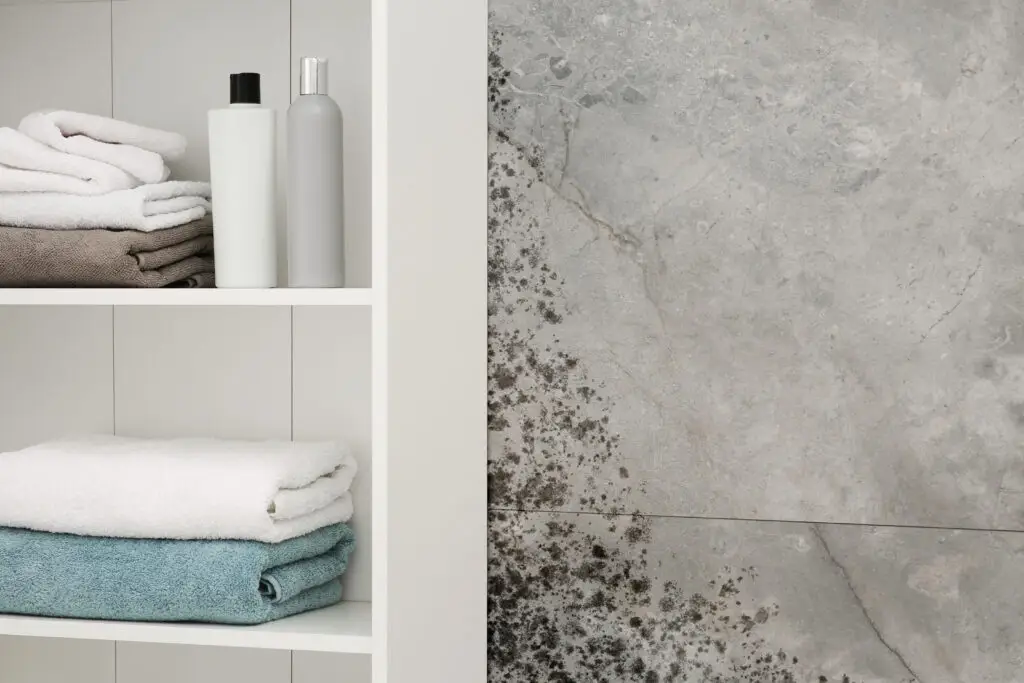
The bathroom is often the smallest room in the house, yet it poses the biggest challenge for air quality and cleanliness. Due to constant heat and moisture exposure, bathrooms provide the ideal environment for mold and mildew to thrive. Preventing mold is crucial not just for aesthetics, but for protecting your health and the structural integrity of your home.
Why Bathrooms Are Prone to Mold
Understanding the reasons behind mold growth is the first step toward effective prevention.
High Humidity and Poor Ventilation
The primary cause of mold is the simple combination of heat from showers and limited airflow. When you take a hot shower, the steam quickly raises the relative humidity inside the room. Without proper ventilation—like a strong exhaust fan or an open window—this moisture condenses on all cool surfaces (walls, ceilings, tiles, and grout), creating a long-lasting, wet environment where mold spores can rapidly colonize.
Hidden Moisture Behind Tiles and Fixtures
Mold often starts in places you can’t see, indicating a deeper problem.
- Leaking Pipes or Fixtures: Slow leaks behind the toilet, under the sink, or around the shower pan can saturate drywall or floorboards, leading to massive, hidden mold colonies.
- Damaged Grout or Caulk: If the sealant around the bathtub or shower is cracked or deteriorating, water can penetrate the wall cavity or floor structure, causing mold that requires professional remediation.
How to Prevent Mold Growth
Prevention focuses on controlling moisture and removing the microscopic food sources mold feeds on (like soap scum and dead skin cells).
Use a Dehumidifier or Exhaust Fan
Moisture control is the single most effective action you can take.
- Exhaust Fan Usage: Always run the bathroom exhaust fan during your shower and leave it running for at least 20 to 30 minutes afterward to fully evacuate the humid air. Ensure your fan is adequately sized for the room.
- Dehumidifiers: If your bathroom lacks effective ventilation or if you live in a climate with year-round high humidity, consider running a small, standalone dehumidifier to maintain indoor humidity below 50%.
- Open the Door/Window: If practical, open the bathroom window a few inches and keep the door ajar after showering to encourage air circulation.
Clean Grout and Tiles Weekly
Regular cleaning removes the organic material (soap residue, body oils) that mold spores use as a nutrient source.
- Focus on Grout: Grout is porous and holds moisture longer than tile surfaces, making it a primary target. Use a stiff brush and a mold-killing solution (see below) to scrub the grout lines.
- Wipe Down Walls: Use a daily shower spray or a squeegee on the tiles and shower doors after use.
Keep Surfaces Dry After Showers
Removing bulk water manually significantly reduces the time surfaces stay wet.
- Wipe Down: Use a squeegee on the shower walls and doors. For quick drying, give the floor and walls a swift wipe with a towel or microfiber cloth, focusing especially on the windowsill and surrounding the base of the toilet.
- Hang Towels Correctly: Ensure wet towels are hung up to dry fully, preferably outside the bathroom or on a rack that allows them to spread out and dry quickly, rather than in a pile or behind the door.
Best Cleaning Products for Mold Prevention
You don’t need harsh chemicals to prevent and kill surface mold; natural solutions are often highly effective and safer for your home’s surfaces.
Vinegar, Baking Soda, and Hydrogen Peroxide Solutions
These products are excellent, non-toxic alternatives to bleach for mold prevention and removal:
- White Vinegar Spray: Fill a spray bottle with undiluted white vinegar. Spray affected areas, especially the grout, and let it sit for at least an hour before scrubbing and rinsing. Vinegar is an acidic, natural fungicide.
- Hydrogen Peroxide: A 3% solution of hydrogen peroxide can be sprayed on moldy surfaces. Let it sit for 10 minutes before scrubbing clean. It safely kills mold and spores and is less damaging than bleach.
- Baking Soda Paste: Mix baking soda with a small amount of water to create a thick paste. Apply it to stubborn mold spots and scrub with a brush. Baking soda is a gentle abrasive and deodorizer.
When to Call Professionals
Sometimes mold indicates a problem too large or complex for a DIY solution.
Persistent Mold or Water Damage Signs
If you notice any of the following, it is time to call a mold remediation specialist or a plumber:
- Recurring Mold: If surface mold returns within days or weeks despite thorough cleaning, the mold source is likely behind the wall or floor.
- Musty Odor: A strong, pervasive, earthy smell, even when no visible mold is present, often signals hidden growth inside the wall cavities.
- Physical Damage: Peeling paint, bubbling wallpaper, stained drywall, or spongy floors near the shower or toilet indicate a leak or significant, long-term water saturation.
FAQs
How often should I clean my bathroom to prevent mold?
To prevent mold, focus on two types of cleaning:
- Daily Maintenance: Use a squeegee/towel to wipe down wet surfaces immediately after showering.
- Weekly Cleaning: Conduct a detailed cleaning where you scrub the tiles, grout, toilet, and sink using a vinegar or specialized cleaner. This weekly effort removes the soap film and residue that feeds mold spores.
Can bleach damage bathroom grout?
Yes, bleach can potentially damage grout over time. While bleach is effective for killing mold on non-porous surfaces like glazed tiles or fiberglass, it can be problematic for porous cement grout:
- It Does Not Penetrate: Bleach mainly removes the surface color and stains but does not effectively kill the mold roots (mycelium) deep within the porous grout structure.
- It Can Degrade Sealants: Prolonged or frequent use can weaken the sealant applied to the grout, making the grout even more porous and susceptible to future mold growth and water damage.
Recommendation: Use vinegar or hydrogen peroxide for daily mold prevention on grout, and reserve bleach for severe staining on hard surfaces only.