

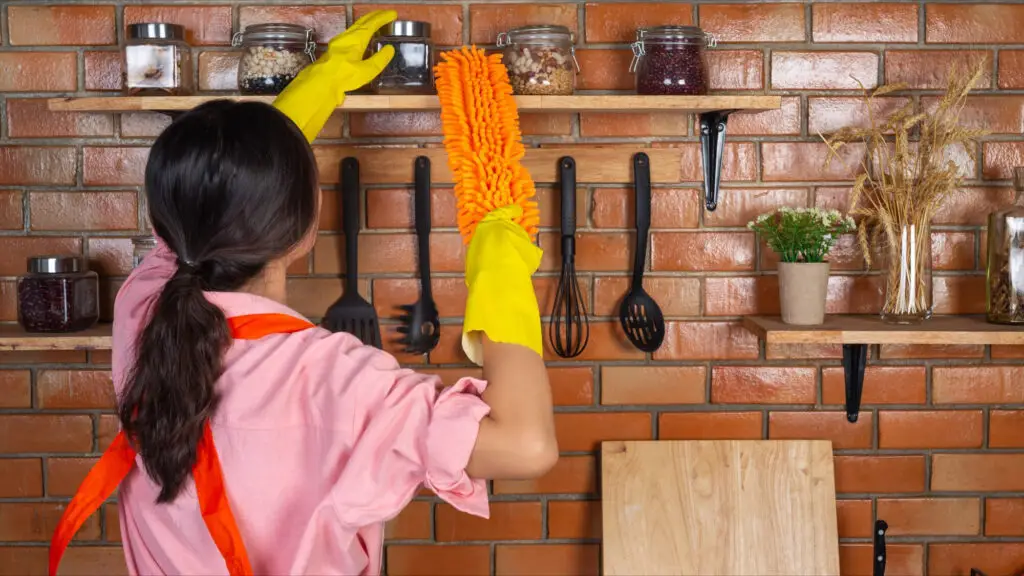
Indoor allergies affect millions of households every year. Dust, pollen, pet dander, and microscopic particles settle inside homes faster than most people expect. While outdoor air quality often gets attention, indoor environments usually contain higher concentrations of allergens. Because of this, building structured cleaning routines becomes essential for maintaining comfort and respiratory wellness. A consistent allergy cleaning service routine helps reduce airborne particles and improves overall home hygiene.
In warm and humid regions like South Florida, indoor allergen levels can rise quickly. Moisture supports dust mite growth, while open windows allow pollen and outdoor particles to enter. Therefore, homes require more frequent maintenance compared to drier climates. When homeowners follow a structured allergy cleaning service strategy, they create a more controlled indoor environment that supports better breathing and daily comfort.
Why Indoor Allergen Control Requires Consistent Cleaning
Allergens rarely stay in one place. Instead, they move through airflow, foot traffic, and fabric surfaces. Over time, particles settle into carpets, furniture, bedding, and ventilation systems. Without consistent removal, these contaminants continuously recirculate. A professional or structured allergy cleaning service plan focuses on removing buildup at the source rather than only treating visible dust.
Many homeowners underestimate how quickly allergens return after cleaning. However, daily living constantly reintroduces particles. Pets shed hair, fabrics release fibers, and outdoor air carries pollen inside. Because of this cycle, routine maintenance becomes more effective than occasional deep cleaning alone. A reliable allergy cleaning service schedule helps maintain stable indoor air conditions over time.
Understanding the Role of Dust Mites in Indoor Air Quality
Dust mites are one of the most common indoor allergy triggers. These microscopic organisms live in soft surfaces such as mattresses, couches, and rugs. They feed on dead skin cells and thrive in humid conditions. Although invisible, their waste particles often trigger respiratory reactions. Regular fabric maintenance through an allergy cleaning service approach helps reduce dust mite populations.
Humidity control also plays a major role. When indoor moisture stays high, dust mite growth accelerates. Therefore, combining moisture management with structured cleaning creates better long-term results. Many homeowners notice fewer symptoms when following a consistent allergy cleaning service routine that includes fabric care and ventilation cleaning.
Common Indoor Allergen Hotspots Inside Homes
Allergens tend to collect in predictable areas. Knowing where buildup occurs helps homeowners clean more efficiently and prevent recirculation. A targeted allergy cleaning service method focuses on high-risk zones rather than only visible surfaces.
Common allergen collection areas include:
- Carpets and area rugs
- Upholstered furniture
- Mattresses and pillows
- Curtains and fabric décor
- Air vents and return systems
- Baseboards and corners
Because these areas trap particles deeply, surface wiping alone is rarely enough. A detailed allergy cleaning service process targets both visible dust and embedded contaminants.
Daily Habits That Support Long-Term Allergen Reduction
Small daily actions can significantly reduce allergen accumulation. Consistency matters more than intensity when maintaining indoor air quality. When homeowners support professional cleaning with daily maintenance, results last longer. A strong allergy cleaning service plan usually includes simple daily habits.
Helpful daily routines include:
- Wiping high-touch surfaces
- Managing clutter that traps dust
- Controlling moisture in kitchens and bathrooms
- Removing shoes near entryways
- Spot cleaning pet areas
These habits reduce how quickly allergens return. Over time, combining daily maintenance with a scheduled allergy cleaning service improves overall indoor conditions.
Weekly Cleaning Tasks That Help Prevent Allergen Buildup
Weekly cleaning removes deeper dust layers that daily wiping cannot reach. Regular scheduling prevents particles from embedding deeper into fabrics and flooring. Many homeowners notice better air freshness when following a weekly allergy cleaning service support routine.
Typical weekly focus areas include:
- Vacuuming carpets and rugs with sealed filtration
- Washing bedding in warm water
- Dusting furniture and décor surfaces
- Cleaning bathroom moisture buildup
- Mopping hard flooring
These tasks reduce long-term particle accumulation. When done consistently, a weekly allergy cleaning service strategy supports stable indoor air quality throughout the year.
Fabric Surfaces and Their Impact on Indoor Allergens
Fabric materials act like particle magnets. Sofas, mattresses, and carpets trap allergens deep within fibers. Over time, movement releases these particles back into the air. Because of this cycle, fabric maintenance becomes a key part of any allergy cleaning service plan.
Vacuuming alone is helpful but not always enough. Deep extraction cleaning and fabric washing provide stronger results. Many professional teams design their allergy cleaning service process around high-fabric environments to improve indoor comfort.
Choosing the Right Vacuum for Allergen Removal
Vacuum quality directly impacts allergen control results. Machines with sealed filtration and HEPA systems capture smaller particles instead of redistributing them into the air. Many homeowners upgrade equipment after starting a structured allergy cleaning service routine.
Important vacuum features include:
- Sealed air filtration
- HEPA-grade particle capture
- Strong suction power
- Upholstery attachments
- Stair cleaning tools
Using proper equipment strengthens any home-based allergy cleaning service strategy and improves dust removal efficiency.
The Role of Deep Cleaning in Allergen Control
Deep cleaning targets hidden areas where allergens accumulate over time. Baseboards, vents, and under furniture often hold dust layers that daily cleaning misses. A periodic professional allergy cleaning service helps remove long-term buildup and resets indoor air quality conditions.
Many households combine maintenance cleaning with occasional deep cleaning visits. This hybrid model allows daily routines to maintain results while deeper treatments address hidden contamination. Over time, this combined allergy cleaning service approach supports more stable indoor air conditions.
Special Considerations for South Florida Homes
South Florida homes face unique environmental conditions. Year-round humidity and pollen exposure increase indoor allergen challenges. Because of this, local homes benefit from more frequent floor and fabric maintenance. A climate-adapted allergy cleaning service routine often includes moisture monitoring and frequent dust removal.
Entryways also play a major role. Outdoor particles easily enter through shoes and airflow. Therefore, entry cleaning becomes a key step in many regional allergy cleaning service strategies designed for coastal climates.
Allergy Cleaning Strategies for Busy Families
Busy families often struggle to maintain consistent cleaning schedules. Work, school, and activities reduce available cleaning time. However, structured routines simplify maintenance. Many families rely on scheduled allergy cleaning service visits combined with simple daily habits.
Short daily maintenance sessions prevent heavy buildup. Meanwhile, professional cleaning maintains deeper surface hygiene. This balanced allergy cleaning service model supports both convenience and indoor health.
Allergy Cleaning Considerations for Rental and Short-Term Properties
Short-term rentals experience constant occupant turnover. Guests introduce outside particles through luggage, clothing, and shoes. Because of this, consistent sanitation and dust control become essential. Many property managers implement scheduled allergy cleaning service programs between stays.
Maintaining consistent standards improves guest comfort and property reviews. A structured turnover-based allergy cleaning service approach helps maintain air freshness and reduces long-term surface contamination.
Moving and Relocation Cleaning for Allergen Control
Moving introduces dust from storage, boxes, and transportation. Many families experience allergy symptoms after relocation due to hidden contaminants. Starting fresh with a full allergy cleaning service session before unpacking helps reduce exposure.
Cleaning before furniture placement also prevents trapping dust under heavy items. Many relocation experts recommend beginning home setup after a complete allergy cleaning service reset cleaning.
Small Lifestyle Habits That Improve Indoor Air Quality
Small changes can produce strong results when done consistently. While professional cleaning removes buildup, daily habits maintain results. Many homeowners pair simple routines with scheduled allergy cleaning service visits for long-term success.
Helpful lifestyle habits include:
- Washing bedding frequently
- Grooming pets regularly
- Reducing unnecessary fabric décor
- Using door mats at entrances
- Maintaining HVAC filter replacement schedules
Together, these habits reinforce the effectiveness of any allergy cleaning service plan.
Creating a Long-Term Strategy for Healthier Indoor Living
Indoor allergen control is not about one-time cleaning. Instead, it requires consistent habits, proper equipment, and occasional deep maintenance. When homeowners follow structured routines, they create healthier living environments and improve overall comfort. A well-planned allergy cleaning service strategy helps reduce airborne particles, support respiratory health, and maintain cleaner indoor air year-round.
Homes that combine daily maintenance, weekly structured cleaning, and professional deep treatments often experience the best results. Over time, consistent routines reduce visible dust, minimize allergen circulation, and improve overall indoor freshness. For households focused on comfort and air quality, maintaining a reliable allergy cleaning service routine remains one of the most effective long-term home care strategies.