

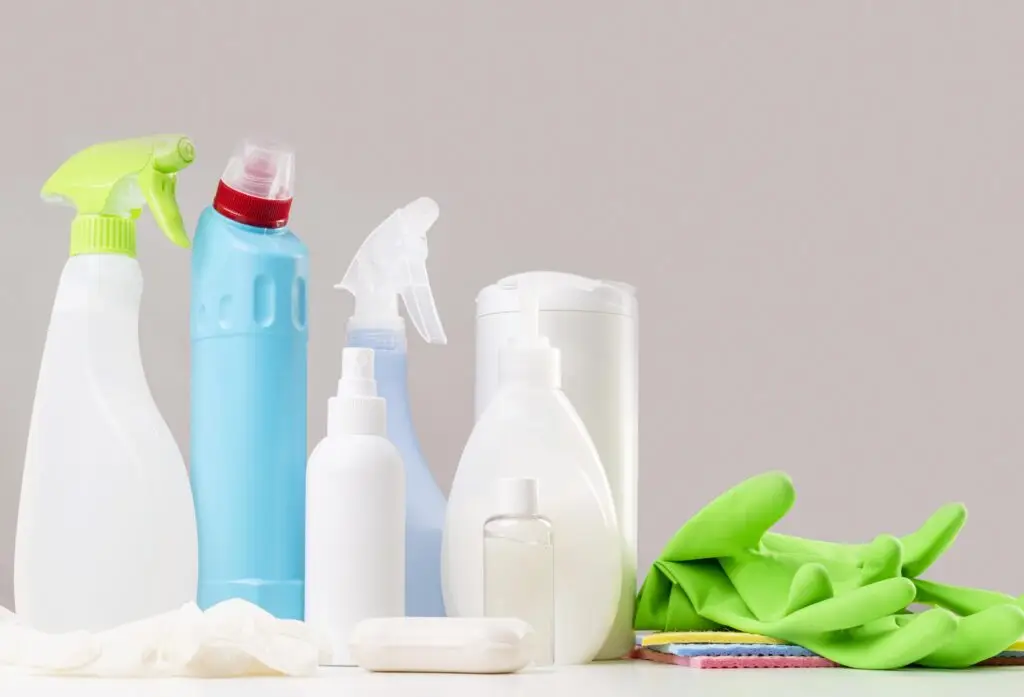
When you are walking down the cleaning aisle, it is easy to assume that all cleaners are created equal. However, there is a fundamental difference between “cleaning” and “disinfecting.” Using the wrong product for the wrong task can either leave germs behind or unnecessarily expose your home to harsh chemicals. Understanding the difference between an all-purpose cleaner and an antibacterial product is the first step toward a more efficient, safer home maintenance routine.
What All-Purpose Cleaners Are Designed to Do
All-purpose cleaners are the backbone of daily home maintenance. Their primary job is to lift and remove physical substances: grease, dust, dried spills, and general grime.
- How They Work: They use surfactants to break the bond between dirt and the surface, making it easy to wipe away.
- Best Uses: Use these for your daily maintenance on counters, tables, cabinet fronts, and general household items.
- The Important Distinction: Most standard all-purpose cleaners do not disinfect. They make a surface look clean and remove the “food” that bacteria need to grow, but they are not formulated to kill pathogens. Always check the label to see if your product claims to be a sanitizer or disinfectant.
What Antibacterial Cleaners Are Designed to Do
Antibacterial or disinfecting cleaners are designed to kill or neutralize specific bacteria and viruses.
- The “Dwell Time” Rule: This is the most misunderstood part of disinfection. Almost all antibacterial cleaners require dwell time—the amount of time the surface must remain visibly wet with the product to actually kill the germs. If you spray it and wipe it off immediately, you are likely missing the disinfection benefit.
- Best Uses: Reserve these products for high-risk, high-touch zones: faucet handles, light switches, toilet flush handles, and kitchen areas where you have recently handled raw meat or poultry.
- Label Compliance: Always follow the directions for ventilation and rinsing, especially on surfaces that come into contact with food.
Cleaning Comes Before Disinfecting
Disinfecting a dirty surface is largely ineffective. Dirt, grease, and food residue create a physical shield that prevents the antibacterial solution from making contact with the germs underneath.
The Correct Order of Operations:
- Clear the Debris: Remove physical crumbs, mud, or spills.
- Clean: Use an all-purpose cleaner to remove the layer of grease and surface dirt.
- Disinfect: Only now, apply your antibacterial product. Let it sit for the required dwell time.
- Finish: Wipe or rinse as directed by the product label.
Safety Note: Never mix cleaners. Mixing products—especially bleach with ammonia or acids—can create dangerous, toxic fumes.
When Antibacterial Products May Not Be Necessary
You do not need to turn your home into a sterile environment. In fact, overusing heavy-duty antibacterial products in low-risk areas can be counterproductive, potentially damaging delicate finishes or creating an overly chemical-heavy indoor environment.
- Low-Risk Zones: Decorative shelving, interior drawers, bookshelves, and general furniture rarely need anything more than a gentle all-purpose cleaner or a dry dust.
- The Better Approach: Focus your disinfecting energy on the few spots that actually harbor bacteria, and use standard cleaning for the rest of your home to keep your surfaces in better condition for longer.
Safety and Surface Compatibility
Before using any cleaner, consider what you are applying it to. Many antibacterial products are potent and can damage sensitive surfaces.
- Surface Check: Natural stone (marble/granite) and unsealed wood can be etched or discolored by harsh disinfectants.
- Household Safety: If you have pets or small children, look for products that are safe for food-prep areas or those that don’t leave harmful residues. Always ensure rooms are well-ventilated while you are cleaning.
How Professional Cleaners Choose Products
Professional cleaning is about selecting the right tool for the specific job. At Maid Cleaning For You, we understand that a kitchen counter needs different care than a mahogany bookshelf. We balance effective cleaning with surface safety, ensuring that your home is not just tidy, but well-cared for.
By tailoring our products to the specific needs of your home, we achieve a consistent, professional level of clean without unnecessary chemical usage. If you have concerns about specific surfaces or want to ensure your home is being maintained with the safest, most effective products, our team is happy to discuss your home’s unique needs.
Ready to simplify your home care with a professional touch? Contact Maid Cleaning For You today to schedule your first recurring cleaning and enjoy a perfectly maintained home!
FAQ
Is antibacterial cleaner better than all-purpose cleaner?
Neither is “better”—they have different purposes. An all-purpose cleaner is superior for general grime and surface maintenance, while an antibacterial cleaner is necessary only when you need to specifically kill germs on high-touch or contaminated surfaces.
Do all-purpose cleaners disinfect?
Generally, no. Unless the label explicitly states that it is a “disinfectant” or “sanitizer” and lists the dwell time required to kill germs, an all-purpose cleaner is only intended to remove visible dirt and grease.
Should I use antibacterial cleaners every day?
It is usually unnecessary to use antibacterial cleaners daily on every surface. Daily cleaning with an all-purpose cleaner is sufficient for most of the home; reserve antibacterial products for high-touch areas or after specific contamination events like food prep.
What areas of the home need disinfecting most?
Focus on high-touch, high-moisture areas: bathroom faucets and handles, toilet handles, kitchen counters used for food preparation, light switches, and door handles.