

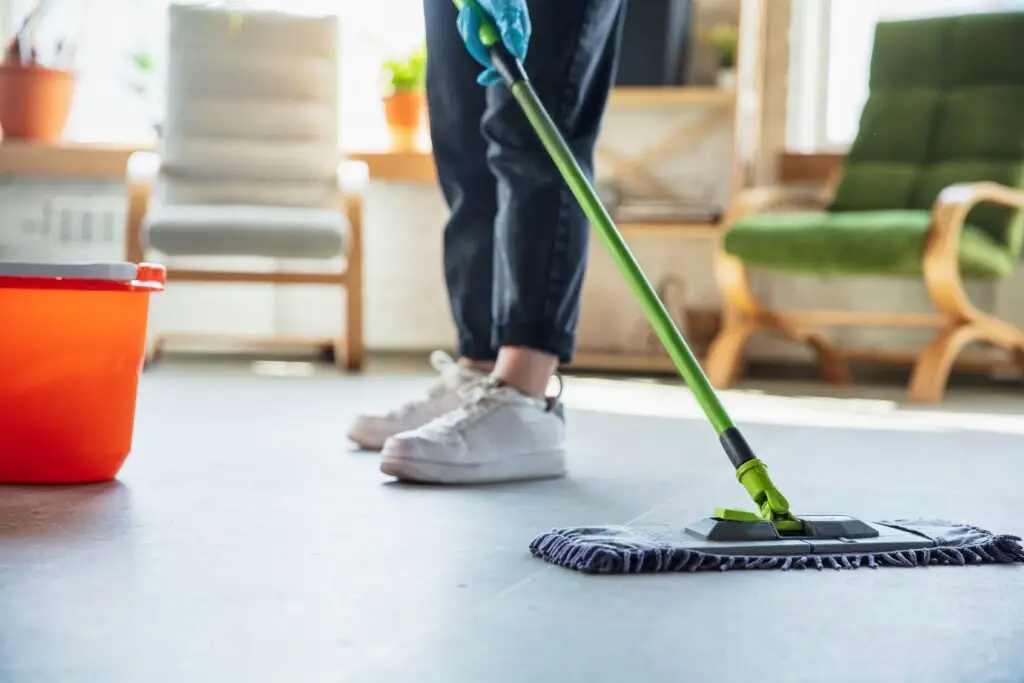
When it comes to floor maintenance, the debate between disposable and reusable mop pads often comes down to the same trade-off: convenience versus sustainability and performance. Neither option is objectively “better” for every household; the right choice depends on your floor type, the scale of your messes, and how much time you want to spend on maintenance.
Understanding the unique benefits and limitations of each can help you streamline your cleaning routine and keep your floors looking their best.
What Disposable Mop Pads Do Well
Disposable pads are the definition of “grab-and-go” cleaning. They are designed for speed, making them a fantastic tool for busy professionals or households that need to manage small messes quickly.
- The Ultimate Convenience: Because you simply toss the pad when the job is done, there is no bucket to scrub or cloth to launder.
- Best Uses: Keep them handy for sudden spills, pet accidents, or a quick “guest-ready” wipe-down of a bathroom floor. They are excellent for light dust-mopping on smooth surfaces where you don’t want to move heavy cleaning equipment.
- Performance Note: While they are great for surface-level dirt, they lack the weight and texture needed for heavy-duty scrubbing.
Limitations of Disposable Mop Pads
While convenient, disposable pads can quickly become a significant expense. If you mop a large area of your home on a regular basis, the cost of refill pads can add up fast.
- Environmental Impact: Frequent disposal creates consistent household waste.
- Performance Gaps: Because they are thin and lightweight, disposable pads often struggle with sticky residue, heavy mud, or stubborn dried-on spills. On highly textured tiles, they may glide over the surface rather than digging into the grout lines where dirt hides.
What Reusable Mop Pads Do Well
Reusable pads—typically made from microfiber or heavy-duty cotton—are the workhorses of home cleaning. They are built to last and designed to perform.
- Superior Scrubbing: Microfiber pads are engineered with split fibers that act like thousands of tiny hooks, trapping dust, hair, and bacteria far more effectively than thin disposable sheets.
- Long-Term Value: While the initial cost is higher, you can wash and reuse these pads hundreds of times, making them a much more economical choice over the lifespan of your flooring.
- Best Uses: Ideal for routine weekly mopping, hardwood-safe damp cleaning, and tackling larger floor areas. They provide the consistency needed to keep floors feeling clean, not just looking clean.
Limitations of Reusable Mop Pads
The trade-off for performance is a little bit of “back-end” work. You cannot simply discard the pad; it requires a place in your laundry routine.
- The Maintenance Factor: You must rinse the pad after each use and ensure it is fully washed and dried. If you store a damp, dirty pad in a dark utility closet, you are inviting mildew and odors.
- Launder with Care: To maintain their effectiveness, microfiber pads must be washed without fabric softener, as the oils in softener clog the fibers and reduce their ability to grab dirt.
Which Option Is Better for Your Home?
The best strategy for most households is often a “hybrid approach.” Use reusable pads for your deep, routine weekly cleaning to ensure hygiene and performance, and keep a pack of disposables under the sink for emergencies and quick spot-checks.
Consider these factors when deciding:
- Lifestyle: Families with pets or small children usually benefit more from the scrubbing power of reusable microfiber.
- Floor Type: Hardwood floors require minimal moisture; a reusable pad that is barely damp is often safer and more effective than a disposable one that might leave too much water behind.
- Maintenance Effort: If your laundry room is already overflowing, adding mop pads to the mix might feel overwhelming. Be honest about your willingness to wash and dry them.
Professional Floor Cleaning Support
Even with the best tools, there are times when your floors just need a professional reset. Whether it’s reaching those corners behind furniture, tackling high-traffic grit, or providing a deep clean to grout lines, professional cleaning makes your daily floor maintenance much easier.
Maid Cleaning For You integrates professional floor care into our recurring cleaning services. By maintaining your home on a consistent schedule, we prevent the deep buildup that makes mopping feel like a chore. If your floors never seem to feel “truly” clean no matter how often you use your mop, a professional touch can help restore that fresh feeling.
Ready for floors that feel spotless every time you walk on them? Contact Maid Cleaning For You today to schedule your first recurring visit!
FAQ
Are reusable mop pads more sanitary?
Yes, provided they are washed in hot water and dried completely after every use. Disposable pads are sanitary for a single use, but reusable microfiber is significantly more effective at removing bacteria from the floor surface during the mopping process.
Do disposable mop pads clean as well as microfiber?
Generally, no. Microfiber reusable pads have a much higher density of fibers and a better texture for “digging” into surfaces to lift dirt, whereas disposable pads are usually thinner and primarily designed for light surface dusting.
Can reusable mop pads be used on hardwood floors?
Absolutely. Just ensure you wring them out until they are merely damp rather than soaking wet. Microfiber is an excellent choice for hardwoods as it is gentle and less likely to leave behind excess moisture that could damage the wood.
How often should mop pads be washed or replaced?
Reusable pads should be rinsed after every use and laundered after each thorough cleaning session. You should replace them when you notice the fabric losing its texture (they feel “slick”) or if they no longer absorb water effectively—usually every 6–12 months with regular use.