

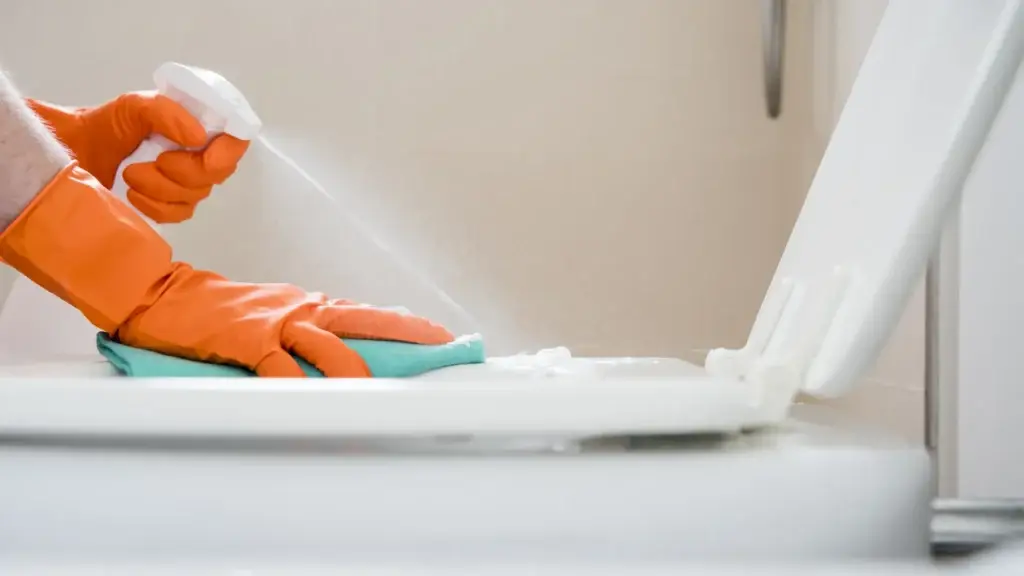
A good toilet ring stain remover routine can help remove the dark, brown, gray, orange, or white ring that forms inside the toilet bowl. These stains usually appear around the waterline, where minerals, residue, bacteria-like buildup, and standing water meet the porcelain.
This guide is focused on one specific DIY cleaning problem: how to remove a toilet ring stain safely and prevent it from coming back. It is not a full bathroom cleaning service page. You will learn what causes toilet rings, which methods to try first, what mistakes to avoid, how often to clean, and when the stain may need deeper help.
What is the best toilet ring stain remover?
The best toilet ring stain remover depends on the cause of the stain. For light residue, a toilet brush and regular bowl cleaner may be enough. For hard water rings, use a product made for mineral buildup. For brown or reddish stains, a rust or lime remover may work better.
Start with the mildest safe method before using stronger products. The goal is to remove the ring without scratching the porcelain, damaging toilet parts, or mixing chemicals that should never be combined.
Why toilet rings form
Toilet rings form when residue collects at the waterline and builds up over time. The ring can come from minerals, organic residue, hard water, rust, or a toilet that is not flushed or cleaned often enough.
Common causes include:
- Hard water minerals
- Iron or rust in water
- Calcium and lime buildup
- Organic residue
- Biofilm
- Infrequent scrubbing
- Low water movement
- Toilet water sitting for long periods
- Older porcelain with surface wear
Professional cleaners often see toilet rings in bathrooms that otherwise look clean. The bowl may be scrubbed regularly, but the waterline still collects minerals and residue. If the toilet sits unused for days, the ring can become more visible.
What different toilet ring colors can mean
The color of the ring can help you choose the right stain removal method. It does not give a perfect diagnosis, but it can point you in the right direction.
| Ring color | Possible cause | Best first approach |
|---|---|---|
| Brown or reddish brown | Iron, rust, hard water minerals | Rust or hard water stain remover |
| White or chalky | Calcium, lime, mineral deposits | Mineral remover or gentle acidic cleaner |
| Gray | Soap scum, mineral film, residue | Bowl cleaner and scrubbing |
| Black or dark | Organic buildup, biofilm, old staining | Toilet bowl cleaner and brush |
| Orange or pink | Moisture-loving residue | Frequent cleaning and waterline scrubbing |
Do not rely only on color. A brown ring can be mineral staining, but it can also include organic residue. A white ring can be minerals, but it may also include cleaner residue. If one method does not work, rinse well before trying another product.
Tools and supplies you need
A toilet ring stain remover routine works best with simple tools and safe habits. You do not need to start with the strongest cleaner.
Useful supplies include:
- Rubber gloves
- Toilet brush
- Non-scratch toilet scrubber
- Toilet bowl cleaner
- Hard water stain remover
- Pumice stone made for toilets, used carefully
- White vinegar, if appropriate
- Baking soda for mild scrubbing
- Microfiber cloths
- Bucket or cup for lowering water level
- Bathroom fan or open window
- Product labels for safety instructions
Avoid metal scrapers, rough tools, and random chemical combinations. Porcelain can scratch, and scratches can make future stains harder to remove.
How to use a toilet ring stain remover step by step
To remove a toilet ring stain, lower the water level if needed, apply the right cleaner, let it sit according to the label, scrub with a safe brush, rinse, and repeat only if the surface and product allow it.
1. Ventilate the bathroom
Turn on the bathroom fan, open a window, or leave the door open. Toilet bowl cleaners can have strong fumes, especially in small bathrooms.
The CDC recommends following product labels, using good ventilation when needed, and never mixing household bleach or disinfectants with other cleaners because dangerous vapors can form. Review the CDC guidance on cleaning and disinfecting with bleach.
2. Put on gloves
Wear gloves before working inside the toilet bowl. This protects your skin from germs, cleaner residue, and stain remover products.
If the product label recommends eye protection, follow that instruction.
3. Lower the water level
A toilet ring sits at the waterline. If the stain is covered by water, the cleaner may not stay in contact with it long enough.
You can lower the water level by turning off the water supply and flushing once, or by gently pushing water through the trap with a toilet brush. Do this carefully and avoid splashing.
4. Apply the cleaner
Apply the toilet ring stain remover directly to the stained area. Coat the ring evenly, especially around the waterline and under the rim.
Use only one product at a time. Do not add vinegar, bleach, ammonia, or another cleaner unless the product label clearly says it is safe.
5. Let the cleaner sit
Let the cleaner sit for the time listed on the label. Many products need contact time to loosen mineral buildup or organic residue.
Do not let strong cleaners sit longer than recommended. More time does not always mean better results, and it can damage surfaces or toilet parts.
6. Scrub with the right tool
Use a toilet brush or non-scratch scrubber. Scrub around the full waterline, under the rim, and at the lowest visible part of the bowl.
Use steady pressure, not aggressive force. If the ring is mineral-based, contact time usually matters more than harsh scrubbing.
7. Flush and inspect
Flush the toilet and check the ring. If part of the stain remains, look at whether it seems like mineral staining, surface residue, or possible porcelain damage.
If you want to try another product, rinse the bowl well first and wait. Never layer products on top of each other.
8. Repeat safely if needed
Some toilet rings need more than one cleaning session. Repeat only with the same product or with a compatible method after rinsing thoroughly.
If repeated cleaning does not change the stain, the issue may be old mineral staining, etching, or damage to the porcelain surface.
How to remove hard water toilet rings
Hard water rings are usually white, gray, brown, or reddish brown. They form when minerals stay at the waterline and bond to the bowl surface.
For hard water toilet rings:
- Lower the water level.
- Apply a hard water stain remover made for toilets.
- Let it sit according to the label.
- Scrub with a toilet brush.
- Rinse by flushing.
- Repeat if the label allows.
If you use vinegar, use it only as a mild method and never mix it with bleach or bleach-based products. Vinegar can help with some mineral buildup, but it may not be strong enough for old stains.
How to remove brown toilet rings
Brown toilet rings often come from iron, rust, or mineral-heavy water. They may also include organic residue if the toilet is not cleaned often.
A rust or hard water stain remover is usually more effective than regular bowl cleaner for brown stains. Look for a product labeled for rust, lime, calcium, or hard water stains.
Avoid abrasive tools first. Scratching the bowl can make brown staining return faster because minerals cling to rough surfaces more easily.
How to remove black toilet rings
Black toilet rings may come from organic buildup, biofilm, or long-standing residue. In some cases, dark staining may also appear in toilets that sit unused for a long time.
Start with a standard toilet bowl cleaner and a good brush. Clean under the rim and around the waterline. If the ring does not improve, use a product designed for the specific stain type.
If black residue returns quickly, check whether the toilet is cleaned often enough, whether water sits for long periods, or whether there is buildup under the rim.
Can you use a pumice stone on toilet rings?
A pumice stone made for toilet bowls can help remove stubborn mineral rings, but it must be used carefully. The stone and the toilet surface should stay wet during use.
Use light pressure and test a small area first. Do not use a pumice stone on colored porcelain, delicate finishes, plastic toilet seats, metal parts, or any surface not meant for it.
A pumice stone should be a last step, not the first. If used too aggressively, it can scratch the bowl. Scratches can trap minerals and make future rings worse.
Cleaning, disinfecting, and stain removal are different
Cleaning, disinfecting, and stain removal are related, but they are not the same.
Cleaning removes dirt, residue, and buildup from the surface.
Disinfecting kills certain germs when the product is used correctly and left on the surface for the required contact time.
Stain removal targets discoloration from minerals, rust, or residue.
A toilet ring stain remover is mainly for stain removal. It may clean at the same time, and some products may disinfect, but you should read the label to understand what the product actually does.
The CDC explains that surfaces should be cleaned before sanitizing or disinfecting. Review the CDC guidance on cleaning and disinfecting.
Common mistakes when removing toilet rings
Many toilet ring stains become harder to remove because of the wrong cleaning method. The goal is to clean the stain without creating damage or safety risks.
Avoid these mistakes:
- Mixing bleach with vinegar, ammonia, or other cleaners
- Using toilet bowl cleaner with another disinfectant
- Scrubbing porcelain with metal tools
- Using a pumice stone dry
- Letting harsh cleaner sit longer than the label says
- Ignoring hard water as the real cause
- Treating every ring like organic dirt
- Forgetting to clean under the rim
- Repeating strong chemicals when the stain does not change
- Scrubbing aggressively enough to scratch the bowl
If a stain is mineral-based, the right chemistry and contact time matter more than force.
How often should you clean toilet ring stains?
Clean the toilet bowl at least once a week to prevent rings from forming. If the bathroom is used often, the home has hard water, or the toilet sits unused for long periods, clean more frequently.
A practical schedule looks like this:
- Weekly: Scrub the bowl and waterline.
- Every two weeks: Clean under the rim more thoroughly.
- Monthly: Check for hard water buildup.
- As needed: Treat mineral rings before they harden.
- Before guests: Do a detailed bowl and exterior clean.
- After long non-use: Flush, clean, and inspect the bowl.
Toilet rings are easier to prevent than remove. Once minerals bond to the bowl, cleaning takes more time.
Signs the toilet ring needs deeper attention
A toilet ring may need more than routine cleaner if it keeps returning or does not change after cleaning.
Watch for these signs:
- The ring returns within a few days.
- The stain feels rough.
- The bowl has white, chalky deposits.
- Brown or rust-colored stains keep forming.
- The waterline looks darker than the rest of the bowl.
- The stain does not fade after proper cleaning.
- The porcelain looks scratched.
- The toilet is rarely used and stains quickly.
- There is buildup under the rim.
- The bathroom has hard water marks on faucets and shower glass too.
If multiple fixtures have mineral spots, the issue may be water quality, not just toilet cleaning.
How to prevent toilet ring stains
The best toilet ring stain remover is prevention. Regular cleaning keeps minerals and residue from bonding to the bowl.
Use these habits:
- Scrub the toilet weekly.
- Clean under the rim.
- Flush toilets that are rarely used.
- Treat hard water buildup early.
- Keep a toilet brush nearby.
- Avoid letting cleaner residue dry in the bowl.
- Do not rely only on in-tank tablets.
- Use products according to the label.
- Improve bathroom ventilation.
- Consider water treatment if hard water is severe.
If hard water is the main issue, stains may return even with good cleaning. In that case, consistent maintenance matters.
Product safety and safer cleaner choices
Toilet cleaners can be effective, but they should be used with care. Stronger does not always mean better.
The EPA Safer Choice program helps consumers identify cleaning products that meet safer ingredient criteria. Review the EPA Safer Choice product search.
When choosing a toilet ring stain remover, check:
- Whether it is made for toilet bowls
- Whether it targets rust, lime, calcium, or hard water
- Whether it disinfects or only cleans
- Whether it is safe for septic systems, if needed
- Whether it requires gloves or ventilation
- Whether it should not be mixed with other products
- How long it should sit before scrubbing
Always follow the product label. If the label warns against mixing, rinsing, or using on certain surfaces, follow that guidance.
Real cleaning scenarios professionals often see
In recurring bathroom cleaning, light toilet rings often appear when weekly scrubbing is skipped or rushed. These rings usually improve with regular bowl cleaner and a strong brush routine.
In homes with hard water, the ring may return quickly even when the toilet is cleaned often. The bowl may need a mineral-focused cleaner instead of a general product.
In move-in or move-out cleaning, toilet rings can make the whole bathroom feel less clean, even if the sink, floor, and mirror look fresh. The waterline is one of the first places people notice when checking bathroom cleanliness.
In guest bathrooms, stains often form because the toilet is not used often. Water sits at the same level, minerals settle, and the ring becomes visible over time.
These situations show why toilet ring removal deserves its own guide. It is a specific cleaning issue with specific causes, tools, and safety concerns.
DIY toilet ring removal vs professional bathroom cleaning
This guide is designed for DIY toilet ring stain removal. It helps with common rings caused by residue, light mineral buildup, hard water stains, and routine cleaning gaps.
Professional bathroom cleaning may be a better fit when:
- The whole bathroom needs a detailed reset.
- The toilet ring is part of heavier buildup.
- The shower, sink, vanity, and floor also need attention.
- You are preparing for guests.
- You are moving in or moving out.
- You do not want to handle strong cleaning products.
- The bathroom has not been deep cleaned in months.
DIY stain removal handles one specific problem. Professional cleaning helps when the entire bathroom needs detailed care.
Toilet ring stain remover checklist
Use this checklist when removing a toilet ring:
- Ventilate the bathroom.
- Put on gloves.
- Read the product label.
- Lower the water level if needed.
- Apply one toilet ring stain remover.
- Let it sit for the recommended time.
- Scrub with a toilet brush or non-scratch tool.
- Flush and inspect the stain.
- Repeat only if safe.
- Rinse before trying a different product.
- Avoid mixing chemicals.
- Clean weekly to prevent new rings.
This routine keeps the process safer and more effective.
FAQ about toilet ring stain remover
What is the best toilet ring stain remover?
The best toilet ring stain remover depends on the stain. Use a regular toilet bowl cleaner for light residue, a hard water stain remover for mineral rings, and a rust-focused product for brown or reddish stains.
Why does my toilet keep getting a ring?
Your toilet may keep getting a ring because of hard water, minerals, organic residue, infrequent cleaning, or water sitting at the same level for too long. If the ring returns quickly, hard water may be the main cause.
Can vinegar remove toilet rings?
Vinegar may help with some mineral buildup, but it may not remove older or heavy stains. Never mix vinegar with bleach or bleach-based toilet cleaners.
Can bleach remove toilet rings?
Bleach may help with some organic staining and disinfecting, but it is not always effective for mineral or rust rings. Do not mix bleach with other cleaners, vinegar, ammonia, or acids.
Is a pumice stone safe for toilet rings?
A pumice stone made for toilets can be safe when used wet and with light pressure. Do not use it dry, and do not use it on colored porcelain, plastic, metal, or delicate finishes.
How often should I clean toilet rings?
Clean the toilet bowl weekly and treat rings as soon as they appear. If you have hard water, you may need to clean the waterline more often.
Why will the toilet ring not come off?
The stain may be hard water buildup, rust, old mineral deposits, or surface damage. If repeated safe cleaning does not change the stain, the porcelain may be etched or scratched.
Should I use in-tank toilet tablets?
In-tank tablets may reduce some buildup, but they should not replace manual cleaning. Some products can affect toilet parts over time, so check the manufacturer’s guidance before using them.
Keep toilet rings from becoming a bigger cleaning problem
A toilet ring stain remover works best when you match the method to the stain. Light residue, hard water, rust, and old mineral buildup do not always respond to the same product. Start gently, follow the label, avoid mixing chemicals, and clean the waterline before the ring becomes stubborn.
If the toilet ring is part of a larger bathroom cleaning problem, Maid Cleaning For You can help reset the space with detailed bathroom cleaning that covers the toilet, sink, shower, vanity, floors, and often-missed buildup areas.