

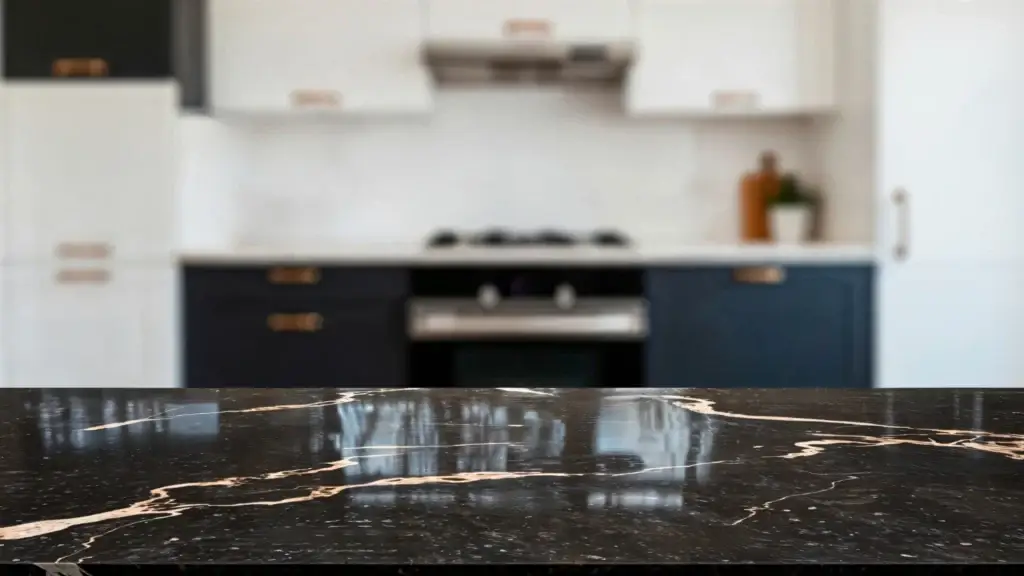
Granite countertops are one of the most popular kitchen upgrades in South Florida homes. They look beautiful, add property value, and are more durable than most other surface options. However, they are also commonly misunderstood. Many homeowners unknowingly use cleaning products and methods that gradually damage the sealant, dull the finish, or etch the stone surface underneath.
Knowing how to clean granite countertops correctly is not complicated, but it does require knowing what to avoid. This guide covers the six most common mistakes, the right daily care routine, and how to handle stains on granite without causing additional damage.
Why granite requires special care
Granite is a natural stone that is porous at the microscopic level. Because of this, it is sealed during fabrication and periodically throughout its life to prevent liquids and bacteria from penetrating the surface. The sealant is what makes granite stain-resistant, not the stone itself.
When you use the wrong cleaning products on granite, you are often damaging or degrading this sealant layer. Once it is compromised, the stone becomes vulnerable to staining, etching, and bacterial contamination. In South Florida’s kitchen environment, where heat, humidity, and food preparation happen daily, protecting the sealant is especially important.
Mistake 1: using acidic cleaners
Vinegar is frequently recommended as a natural all-purpose cleaner. It works well on many surfaces. On granite, however, it is damaging. Its acidity reacts with the sealant and, over time, with the stone itself, breaking down the protective layer and potentially etching the surface.
The same caution applies to lemon juice, other citrus-based cleaners, and any product with an acidic pH. If the label does not specify that it is safe for natural stone, do not use it on granite.
Instead, use a pH-neutral cleaner specifically formulated for natural stone, or a very mild dish soap solution. Both are safe for daily use and effective at removing everyday grime.
Mistake 2: using abrasive scrubbers
Because granite appears hard and durable, some homeowners reach for abrasive pads or powdered cleansers when dealing with a stubborn stain. This causes real damage.
Abrasive materials scratch the polished surface and remove the sealant in the process. Even when scratches are not immediately visible, they create microscopic grooves that trap bacteria and make future staining more likely.
Always use a soft cloth or non-abrasive sponge on granite countertops. For stubborn residue, let warm water soften it first before gently wiping, rather than scrubbing.
Mistake 3: leaving spills to sit
Granite sealant provides protection, but it is not impermeable. Spills left on the surface for extended periods can penetrate even a well-sealed countertop.
Liquids particularly prone to staining granite include red wine, coffee, oil, and anything dark or highly pigmented. Acidic liquids like citrus juices can etch the surface even through fresh sealant if left in contact for too long.
Wiping spills immediately is therefore the single most important daily habit for maintaining granite countertops. A quick wipe prevents the vast majority of staining problems.
Mistake 4: using bleach or ammonia-based cleaners
Bleach and ammonia are effective disinfectants, but both degrade granite sealant with regular use. Many common household cleaners, including most multi-surface sprays and glass cleaners, contain ammonia. Always check the ingredient list before applying any cleaner to granite.
For disinfection, a diluted solution of 70% isopropyl alcohol and water is effective and safe for granite. Spray, let it sit briefly, then wipe clean. This approach disinfects without degrading the sealant.
Mistake 5: skipping regular resealing
The sealant on granite countertops does not last forever. Depending on usage and original seal quality, resealing is needed every one to three years.
A simple test tells you whether your granite needs resealing: sprinkle a few drops of water on the surface. If the water beads up, the sealant is intact. If the water soaks in and darkens the stone, the sealant has degraded and it is time to reseal.
Resealing granite is a straightforward DIY process. Clean and dry the countertop completely. Apply a granite sealer according to the product instructions, allow it to cure, and buff away any excess. The process takes roughly an hour and protects the stone for another one to three years.
Mistake 6: using harsh grout cleaners near granite edges
If your granite countertops adjoin a tiled backsplash, be careful when cleaning the grout. Many grout cleaners are highly acidic and can splash or seep onto the granite surface. Even brief contact degrades the sealant along the countertop edge.
Apply grout cleaners carefully with a toothbrush and rinse thoroughly. Use painter’s tape to protect the granite edge when doing more intensive grout cleaning.
How to clean granite countertops: the daily routine
Daily cleaning is simple when you use the right products.
Warm water and dish soap: Add one to two drops of mild dish soap to a cup of warm water. Wipe with a soft cloth in circular motions. Rinse with a clean damp cloth to remove soap residue. Dry immediately, because water left on granite creates water spots over time.
Granite-specific spray cleaner: Products like Weiman Granite Cleaner and Method Daily Granite are formulated for sealed stone. They clean effectively without damaging the sealant and often leave a light protective shine.
For everyday cleaning, one of these two approaches is all you need.
How to remove stains from granite
Despite best efforts, stains can occur. Treatment depends on the type:
Oil-based stains (cooking oil, butter, grease): Apply a paste of baking soda and a small amount of dish soap. Cover with plastic wrap and tape the edges. Leave for 24 to 48 hours. The paste draws the oil out of the stone as it dries. Remove and rinse thoroughly.
Dark liquid stains (wine, coffee, juice): Same baking soda poultice method, substituting hydrogen peroxide for the dish soap. The peroxide bleaches the pigment from the stone gently.
Organic stains (food residue, mold, mildew): A small amount of hydrogen peroxide applied directly to the stain and left for a few minutes handles most of these.
Hard water deposits: Use a product specifically formulated for natural stone. Standard CLR is not appropriate for granite and can cause damage. Look for products labeled safe for natural stone.
Cleaning granite with baking soda and dish soap
For an occasional deeper clean, baking soda mixed with a few drops of dish soap and enough water to form a soft paste works well. Apply gently in circular motions with a soft cloth. The mild abrasion lifts surface residue without scratching the stone.
Rinse thoroughly and dry immediately. Use this as an occasional deep-clean approach rather than a daily product. Repeated use of even mild abrasives gradually affects the sealant surface over time.
Long-term granite care habits
A few additional habits protect granite over years of use:
- Use cutting boards. Never cut directly on granite. Pressure and motion damage the sealant and dull the surface.
- Use trivets or heat pads. Sudden temperature changes can cause thermal shock, and direct heat over time degrades the sealant in affected areas.
- Avoid sitting or standing on granite countertops. The weight can cause cracking near edges.
With a consistent daily routine and periodic resealing, granite countertops maintain their beauty for decades. The investment in proper care is minimal compared to refinishing or replacing the stone.
For guidance on maintaining other kitchen and home surfaces, the house cleaning troubleshooting guides cover a range of materials with the same evidence-based approach. If kitchen cleaning is part of a broader home maintenance challenge, a deep cleaning service provides the thorough reset that makes daily upkeep easier to sustain.