

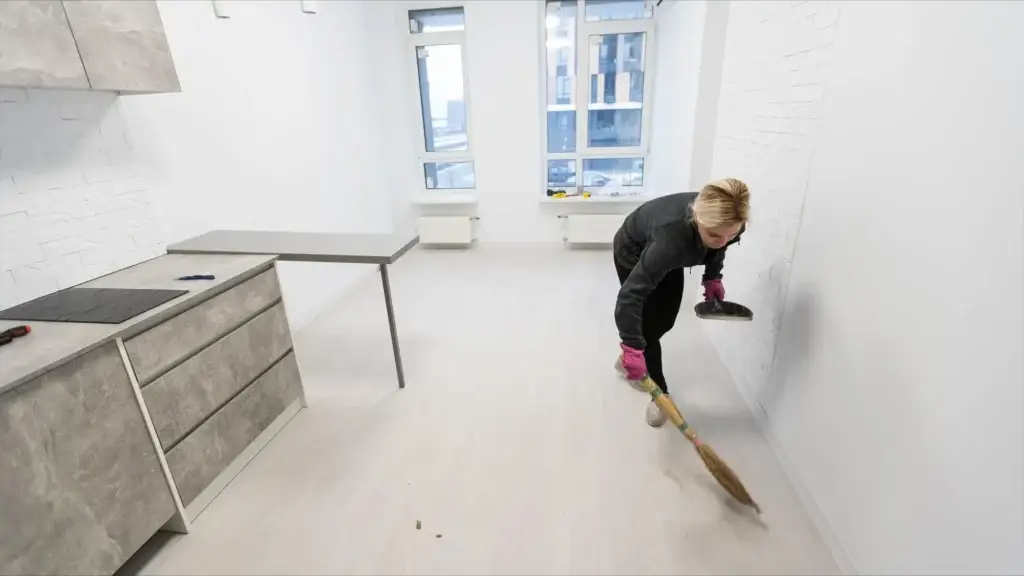
Finishing a renovation is exciting. But once the contractors leave, the real challenge begins. Construction dust gets into everything — inside cabinets, behind vents, on every surface, and deep into flooring. Without a proper renovation cleaning plan, that dust keeps circulating through your home for weeks.
Post-construction cleaning is not the same as regular cleaning. It requires a specific sequence, the right tools, and a lot of patience. Therefore, whether you tackle it yourself or hire a professional, understanding the process makes all the difference.
Setting aside adequate time is the first requirement. Rushing post-renovation cleaning leads to missed areas, redistributed dust, and the need to repeat work. Most homeowners underestimate how long it takes — plan for at least a full day for a single-room renovation and two or more days for a whole-home project.
Why renovation cleaning is unlike any other cleaning task
Construction and renovation work generates a unique type of dust and debris. Fine drywall dust, sawdust, grout particles, and insulation fibers are all lighter and finer than household dust. Consequently, they travel farther and settle on surfaces you would not expect.
This dust also has specific health implications. Drywall dust can irritate the respiratory system. Silica from concrete or tile cutting is a known health hazard when inhaled over time. As a result, proper ventilation and protective measures are important during the cleaning process — not just for aesthetics, but for your family’s wellbeing.
The scale of post-renovation mess often surprises homeowners. Even a relatively contained project — a single bathroom retile or a kitchen backsplash replacement — can deposit fine dust across rooms several doors away. Open floor plans and central HVAC systems accelerate this spread significantly. Therefore, treating renovation cleaning as a whole-home task, regardless of where the work took place, is the correct approach.
Post-construction cleaning vs. regular deep cleaning
A standard deep cleaning addresses everyday grime and buildup. However, post construction cleaning checklist items are fundamentally different. The focus is on removing construction residue — not just visible debris, but the fine particles that have settled in layers across the entire home.
Additionally, renovation cleaning often involves protecting new surfaces and finishes. You need products that clean effectively without damaging freshly painted walls, new tile, hardwood, or fixtures.
7 steps to clean your home after a renovation project
Follow these steps in order. Because construction dust settles in layers, cleaning from the top down and repeating certain steps is often necessary for a thorough result.
Step 1: ventilate before you start
Before touching anything, open all windows and doors to air out the space. Run exhaust fans if available. Construction dust contains fine particles that become airborne when disturbed, and ventilation helps clear them from the air before you begin.
If you or anyone in your family has respiratory sensitivities, consider wearing a dust mask during the initial cleaning stages. Furthermore, keep pets and children out of the renovation area until cleaning is complete.
Step 2: remove large debris first
Start by removing all large debris by hand or with a broom — pieces of drywall, wood scraps, tile offcuts, packaging materials, and any leftover construction supplies. Place these in heavy-duty trash bags.
Do not use a standard vacuum at this stage. Large debris can clog and damage a residential vacuum. Instead, use a broom and dustpan, or a shop vacuum designed for construction debris.
Additionally, remove any protective plastic sheeting or drop cloths that the contractors used. Fold them carefully to trap the dust inside before disposing of them.
Step 3: dust all surfaces from top to bottom
This is the most time-consuming step and the most important. Start at the ceiling and work systematically downward through every room.
Dust in this order:
- Ceiling corners and crown molding
- Light fixtures, ceiling fans, and smoke detectors
- Walls from top to bottom
- Window frames, sills, and tracks
- Door frames, doors, and hinges
- Shelving and built-in cabinetry exteriors
- Countertops and horizontal surfaces
- Baseboards
Use a microfiber cloth or duster — not a feather duster, which simply redistributes dust into the air. For high areas, use an extendable duster or attach a microfiber cloth to a mop handle.
Repeat this step if necessary. Construction dust is persistent, and a single pass is often not enough to remove it completely.
One detail many homeowners miss during this step is the inside of light fixtures and ceiling fan housings. Construction dust accumulates heavily in these recessed areas and gets redistributed every time the fan is turned on or the light generates heat. Remove each cover carefully, wipe the inside, and replace before moving on. Additionally, pay attention to the tops of door frames and window casings — these horizontal surfaces catch significant dust during renovation and are often overlooked because they require a ladder to reach.
Step 4: clean HVAC vents, returns, and filters
One of the most overlooked steps in renovation cleaning is addressing the HVAC system. Construction dust enters vents and returns throughout the work period and gets pushed through the entire home each time the system runs.
After renovation, you should:
- Remove all vent covers and wash them with soap and water
- Vacuum inside the duct openings as far as the attachment reaches
- Replace all HVAC filters — even if they were recently replaced before the renovation
- Consider a professional duct cleaning if the renovation was extensive
Furthermore, running your HVAC system with a new, high-quality filter for 24 to 48 hours after cleaning helps capture any remaining airborne particles.
This step is particularly important in South Florida, where air conditioning runs almost continuously. A contaminated HVAC system does not just recirculate dust — it recirculates it constantly, undoing the cleaning work done in other areas. Investing in a MERV-11 or higher filter for the first few weeks after a renovation traps finer particles that a standard filter misses. Replace it again after 30 days, as it will likely be saturated with post-construction residue well ahead of its normal service life.
Step 5: wipe down all surfaces with a damp cloth
After dusting, go through every room again with a damp microfiber cloth. This step picks up the fine dust that dry dusting leaves behind. Wipe:
- All wall surfaces where dust has settled
- Cabinet fronts and interiors
- Appliances
- Window glass, inside and out
- Mirrors
- All fixtures and hardware
Use clean water and change your cloth frequently. Construction dust turns water gray quickly, and a saturated cloth spreads residue rather than removing it. Therefore, rinsing or replacing your cloth regularly is essential.
Pay special attention to new cabinet interiors during this step. Sawdust and fine debris settle inside cabinet boxes during installation and are not always visible at first glance. Wipe each shelf and the interior walls before loading them with items. Similarly, new drawer interiors often carry a layer of fine dust from cutting and sanding during manufacture. A quick damp wipe before use takes only seconds but prevents that residue from transferring to your belongings.
Step 6: deep clean floors last
Floors are the final step because everything you cleaned above has now fallen downward. This is especially important for tile grout and hardwood joints, which trap construction dust deeply.
For hard floors:
- Sweep and vacuum thoroughly, paying close attention to edges and corners
- Mop with an appropriate cleaner — multiple passes may be needed
- For tile, scrub grout lines with a stiff brush to remove embedded dust and adhesive residue
- For hardwood, use a hardwood-safe cleaner and avoid excess moisture
For carpet:
- Vacuum slowly and repeatedly — at least two or three passes in different directions
- Steam clean or shampoo the carpet to remove fine particles embedded in the fibers
- Consider professional carpet cleaning after any significant renovation
Additionally, clean all floor vents and registers at this stage, as they will have accumulated debris throughout the renovation.
Step 7: final inspection and touch-ups
Once all cleaning is complete, do a full walkthrough of every area. Look for:
- Dust or residue missed during earlier passes
- Adhesive or paint splatter on surfaces or floors
- Streaks on glass or mirrors
- Grout haze on new tile (requires a specialized haze remover)
- Any damage to new finishes caused during cleaning
Take your time with this step. A renovation represents a significant investment, and the final clean is what reveals the finished result. Therefore, attention to detail here is well worth the effort.
Remove construction dust with professional cleaning in South Florida
Post-construction cleaning after a major renovation can take a full day — or several — depending on the scope of work. For many homeowners in South Florida, hiring a professional renovation cleaning service is the most practical and effective solution.
Maid Cleaning for You offers specialized post-construction cleaning services in Boynton Beach and across South Florida. Their team understands the specific challenges of construction dust and debris removal, arrives with professional-grade equipment, and follows a thorough process to ensure every surface is genuinely clean — not just visually tidy.
Professional renovation cleaning is also especially valuable when you are working on a tight timeline. Whether you are moving back in, hosting guests, or listing a property, a professional post-construction clean ensures the space is ready when you need it.
Professional teams also bring the right equipment for the job. A shop-grade HEPA vacuum, commercial microfiber systems, and appropriate surface-specific cleaners make a measurable difference in the quality and speed of post-construction cleaning. Standard household equipment is often simply not capable of handling construction debris at the level a newly renovated home requires.
Additionally, a professional team conducts the final walkthrough with a trained eye. They know where construction residue hides — in grout joints, behind new hardware, along freshly painted trim, inside exhaust fans — and they address it systematically. Consequently, you avoid the common frustration of noticing missed spots days after you thought the cleaning was done.
Your renovated home deserves a clean start
A beautiful renovation deserves a thorough cleaning to match. Dust and debris removal after renovation is not a step to rush — it is the final step that makes everything you invested in truly visible.
Follow this guide from ventilation to final inspection, take your time with each step, and do not underestimate how much dust a renovation generates. When done right, post-construction cleaning transforms a work site back into a home.
Your renovation was an investment in your property. The cleaning that follows protects that investment — preserving new finishes, removing abrasive particles that cause wear, and ensuring the space is genuinely healthy to live in from day one.
And when you need support, professional renovation cleaning services are there to make sure your newly updated space is as clean as it is beautiful.