

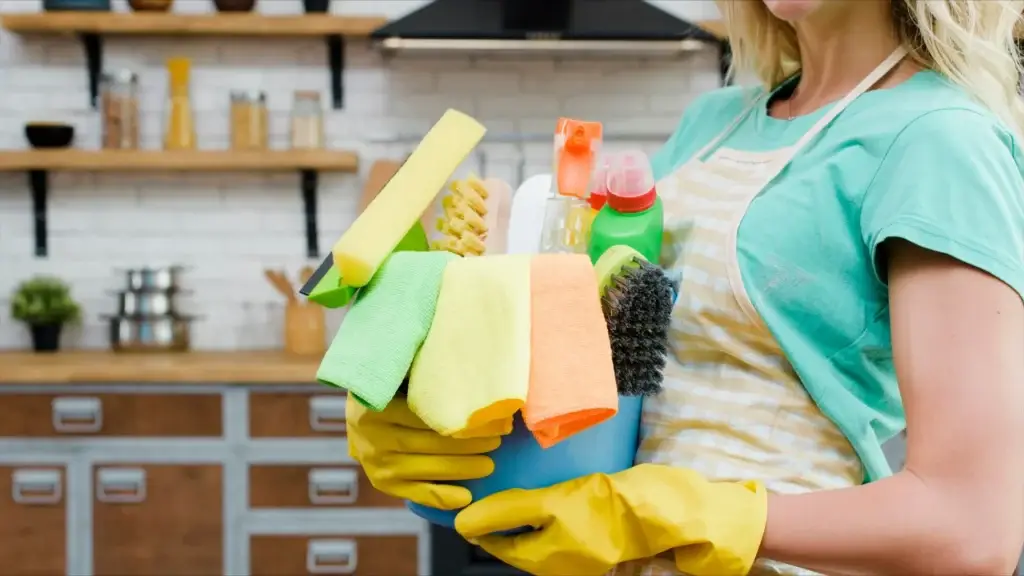
A seasonal deep cleaning guide helps you plan deeper home care throughout the year instead of waiting until every room feels overwhelming. Each season brings different cleaning needs, from spring dust and summer humidity to fall kitchen prep and winter guest spaces.
This guide does not replace a full room-by-room checklist. Instead, it helps you understand what to prioritize during each season so your home stays easier to maintain. For a complete task list, use our deep cleaning checklist as your main planning resource.
Seasonal deep cleaning guide quick answer
A seasonal deep cleaning guide organizes deeper cleaning tasks by time of year. Spring is best for dust, windows, closets, and air vents. Summer is ideal for humidity control, bathrooms, entry areas, and outdoor-adjacent spaces. Fall works well for kitchens, pantries, fabrics, and storage. Winter is the right time to prepare guest rooms, refresh indoor air, and reset high-touch areas.
Most homes benefit from seasonal deep cleaning every 3 months. This rhythm keeps buildup from becoming too heavy and makes weekly or biweekly cleaning easier.
A simple seasonal plan looks like this:
- Spring: dust, windows, vents, closets, and baseboards.
- Summer: bathrooms, humidity-prone areas, entryways, and floors.
- Fall: kitchen, pantry, upholstery, linens, and storage.
- Winter: guest rooms, indoor air, touchpoints, and holiday prep.
The goal is not to clean everything at once. The goal is to give each season a clear purpose.
Why seasonal deep cleaning matters
Seasonal deep cleaning matters because homes change throughout the year. Weather, humidity, cooking habits, guests, pets, school routines, travel, and holidays all affect how dirt and buildup move through the home.
A house may need more dust control in spring, more bathroom attention in summer, more kitchen organization in fall, and more guest preparation in winter. When every season has a focus, cleaning feels more manageable.
In professional cleaning appointments, one common pattern is that homes become harder to maintain when detailed cleaning is postponed for too long. The weekly routine still happens, but baseboards, vents, window tracks, cabinet fronts, and fabric surfaces slowly collect buildup.
A seasonal deep cleaning guide helps prevent that cycle.
It can help you:
- Break larger cleaning tasks into smaller phases
- Prevent heavy buildup
- Prepare for guests and holidays
- Support regular maintenance
- Notice seasonal problem areas earlier
- Keep the home feeling fresher year-round
It also helps you avoid repeating the same tasks while forgetting others. Instead of cleaning randomly, each season has a clear job.
Spring deep cleaning focus
Spring is the season most people associate with a home reset. After months of closed windows, indoor dust, heavier fabrics, and less ventilation, the home often needs a fresh start.
Spring cleaning should focus on freshness, dust removal, light, and movement. It is a good time to open up spaces, reduce clutter, and clean areas that collected dust during the cooler months.
Spring priorities include:
- Dusting ceiling fans and light fixtures
- Cleaning window sills and visible tracks
- Wiping baseboards
- Refreshing closets
- Dusting blinds or shutters
- Cleaning vents and returns
- Washing cabinet fronts
- Vacuuming under accessible furniture
- Removing cobwebs
- Reviewing entry areas
Spring is also a good time to look at the home from top to bottom. Dust often collects above eye level, especially on fans, shelves, door frames, and vents.
Common spring cleaning mistakes
A common mistake in spring is trying to clean the entire home in one day without a plan. This often leads to fatigue and unfinished rooms.
Another mistake is focusing only on visible surfaces. Counters and floors matter, but spring cleaning should also address dust sources, such as fans, vents, blinds, and high shelves.
Avoid these spring mistakes:
- Starting with floors before dusting
- Ignoring vents and fans
- Keeping clutter in closets
- Forgetting window tracks
- Using too much product on dusty surfaces
- Skipping baseboards
A spring reset works best when you remove dust before final vacuuming and mopping.
Summer deep cleaning focus
Summer brings different cleaning challenges. In many homes, humidity, traffic, outdoor activity, pets, visitors, and frequent bathroom use can create faster buildup.
A seasonal deep cleaning guide for summer should focus on moisture, bathrooms, floors, entry points, and outdoor-adjacent areas. The goal is to reduce stickiness, odors, dampness, and tracked-in dirt.
Summer priorities include:
- Cleaning bathroom corners and toilet bases
- Wiping cabinet fronts and handles
- Cleaning entry doors and handles
- Vacuuming rugs and high-traffic areas
- Mopping floors more carefully
- Checking laundry areas
- Cleaning trash can exteriors
- Wiping patio or back door areas
- Cleaning around pet zones
- Reviewing vents and fans
Summer is also a good time to pay attention to smells. Odors can appear faster in warm, humid conditions, especially near trash cans, bathrooms, laundry rooms, pet areas, and kitchen edges.
Moisture and indoor air concerns
Moisture should not be ignored. Bathrooms, laundry areas, kitchens, and poorly ventilated spaces can develop buildup faster when humidity is high.
The EPA recommends controlling moisture indoors because excess moisture can contribute to mold and indoor air quality problems. You can review the EPA’s indoor air quality resources here: https://www.epa.gov/indoor-air-quality-iaq.
A seasonal summer reset does not replace professional mold inspection or HVAC maintenance. But it can help you notice signs of trouble earlier.
Watch for:
- Musty smells
- Damp bathroom corners
- Dusty exhaust fan covers
- Water marks near windows
- Sticky floors
- Odors around trash areas
- Mildew-like buildup in showers
If you notice recurring moisture problems, cleaning alone may not be enough. Ventilation, repairs, or a specialist may be needed.
Fall deep cleaning focus
Fall is a practical season for preparing the home before busier indoor months. As routines change, kitchens, pantries, fabrics, and storage areas often need more attention.
A fall seasonal deep cleaning guide should focus on comfort, organization, and preparation. This is the time to get ahead of holiday cooking, guests, school routines, and more time spent indoors.
Fall priorities include:
- Cleaning kitchen cabinet fronts
- Reviewing pantry shelves
- Wiping appliance exteriors
- Cleaning the stove area
- Vacuuming upholstery
- Washing or refreshing throws
- Cleaning dining areas
- Dusting shelves and decor
- Reviewing storage spaces
- Cleaning entry closets
The kitchen is often the center of a fall reset. More cooking means more grease, crumbs, fingerprints, and appliance use.
Fall kitchen and pantry reset
A fall kitchen reset does not need to become a full organization project. It should focus on making the kitchen easier to use and easier to keep clean.
Start with visible buildup. Cabinet fronts, handles, stove edges, backsplash areas, and appliance exteriors often show the most wear.
Then review the pantry. Remove expired items, wipe shelves, check corners, and organize high-use ingredients. Crumbs in pantry corners can attract pests, so this step has both cleaning and prevention value.
Helpful fall tasks include:
- Wiping pantry shelves
- Checking spice and dry food areas
- Cleaning around small appliances
- Removing crumbs from cabinet edges
- Wiping drawer pulls
- Cleaning the trash can area
- Vacuuming dining chair seats
- Refreshing table linens
Fall is also a good time to clean fabrics before winter. Sofas, cushions, rugs, and throws can hold dust, pet hair, and food crumbs.
Winter deep cleaning focus
Winter cleaning is about comfort, guests, indoor air, and high-touch areas. Many homes spend more time closed up during cooler months, which can make dust and odors more noticeable.
A winter seasonal deep cleaning guide should focus on the spaces people use most when they gather indoors. Guest rooms, bathrooms, living rooms, kitchens, and entry areas usually matter most.
Winter priorities include:
- Preparing guest rooms
- Dusting bedroom furniture
- Cleaning bathroom details
- Wiping switches and handles
- Vacuuming sofas and rugs
- Cleaning kitchen surfaces
- Wiping dining chairs and tables
- Refreshing entry areas
- Cleaning vents and returns
- Emptying and wiping trash cans
Winter is also a good time to review the home before holidays or visitors. A clean guest room and bathroom can make the home feel more welcoming without requiring every closet to be perfect.
Holiday and guest preparation
Before guests arrive, focus on the areas they will notice and use. This makes the work more realistic and gives you a better result in less time.
Guest-focused winter cleaning includes:
- Guest bathroom sink, toilet, mirror, and floor
- Guest bedroom surfaces and bedding
- Living room seating
- Entryway floor and door
- Kitchen counters and sink
- Dining table and chairs
- High-touch points
- Trash areas
A common mistake is spending too much time on private storage areas while ignoring guest-facing spaces. If time is limited, prioritize comfort, freshness, and function.
For larger homes or busy holiday schedules, a professional deep cleaning service can help reset the home before guests arrive.
How to plan seasonal deep cleaning without overwhelm
Seasonal deep cleaning becomes easier when you stop treating it as one giant project. A better approach is to divide the home into priorities.
This seasonal deep cleaning guide is meant to help you choose priorities by season, not replace a full room-by-room cleaning checklist.
Use this simple planning method:
- Choose the seasonal focus.
- Pick the 3 most important rooms.
- Identify visible buildup.
- Add hidden spots only if time allows.
- Save detail work for a second session if needed.
- Schedule professional help when the home needs a full reset.
This method keeps the plan practical. It also prevents the article from repeating the main checklist page.
For hidden areas that are easy to miss, review our guide to one-time deep clean hidden spots. It can help you decide which details matter most before a seasonal reset.
Signs your home needs seasonal deep cleaning
Some homes show clear signs when seasonal cleaning is overdue. These signs often appear even if regular cleaning still happens.
Look for:
- Dust returning quickly
- Sticky kitchen cabinet fronts
- Musty smells
- Dull bathroom surfaces
- Dusty vents
- Dirty baseboards
- Pet hair in corners
- Crumbs in pantry areas
- Smudged doors and handles
- Floors that look dirty near edges
- Guest rooms that feel stale
- Closets that feel cluttered
If several of these signs appear at once, seasonal deep cleaning can help restore the home before buildup becomes harder to manage.
How often should seasonal deep cleaning happen?
Most homes benefit from seasonal deep cleaning 4 times a year, or about every 3 months. This does not mean every room needs the same level of detail each time.
The best frequency depends on the home.
Consider seasonal deep cleaning more often if the home has:
- Pets
- Children
- Heavy cooking
- Frequent guests
- High humidity
- Allergy concerns
- Large family routines
- High foot traffic
- Limited weekly cleaning time
A well-maintained home may only need lighter seasonal resets. A busy home may need deeper service more often.
The key is consistency. Smaller seasonal resets are usually easier than one large annual deep clean.
Common seasonal deep cleaning mistakes
Seasonal cleaning is helpful, but only when it is planned realistically. These mistakes can make the process harder than necessary.
Avoid these common errors:
- Trying to do every task in every season
Each season should have a focus. You do not need to repeat the entire home every 3 months. - Ignoring the reason for the season
Spring dust, summer humidity, fall kitchen prep, and winter guests require different priorities. - Cleaning around clutter
Too many items on counters, floors, and shelves make deep cleaning slower. - Forgetting hidden buildup
Vents, baseboards, fans, cabinet tops, and window tracks affect how clean the home feels. - Waiting until the home feels overwhelming
Seasonal cleaning works best before buildup becomes heavy. - Using the wrong cleaning product
Always match products to the surface and follow label directions. - Treating seasonal cleaning like regular cleaning
Seasonal cleaning should address details that weekly cleaning usually misses.
FAQ about seasonal deep cleaning guide
What is a seasonal deep cleaning guide?
A seasonal deep cleaning guide is a plan that organizes deeper cleaning tasks by season. It helps you focus on the areas that matter most during spring, summer, fall, and winter.
Is seasonal deep cleaning the same as spring cleaning?
No. Spring cleaning is one seasonal reset. Seasonal deep cleaning happens throughout the year and changes focus based on weather, routines, guests, humidity, cooking, and indoor use.
How often should I follow a seasonal deep cleaning guide?
Most homes benefit from seasonal deep cleaning every 3 months. Homes with pets, children, heavy cooking, frequent guests, or humidity concerns may need deeper cleaning more often.
What is the most important season for deep cleaning?
Spring is often the most popular season for deep cleaning, but each season has a purpose. Summer is important for moisture and high-traffic areas. Fall is useful for kitchens and storage. Winter helps with guests and indoor comfort.
Should I hire a professional for seasonal deep cleaning?
You can handle many seasonal tasks yourself. Professional help makes sense when the home has heavy buildup, limited time, large spaces, guest preparation, or areas that have not been cleaned in months.
Can seasonal deep cleaning help with odors?
Yes. Seasonal cleaning can help reduce odors by addressing trash areas, bathroom buildup, kitchen residue, pet zones, fabrics, and hidden dust. If odors continue after cleaning, another issue may need attention.
Does this replace a full deep cleaning checklist?
No. This article helps you plan by season. For a detailed room-by-room task list, use a complete deep cleaning checklist.
Keep your home easier to maintain all year
A seasonal deep cleaning guide works best when it fits real life. You do not need to clean every corner of the home every season. You need a plan that matches how your home is used throughout the year.
Spring can focus on dust, windows, vents, and closets. Summer can focus on bathrooms, humidity, floors, and entry areas. Fall can focus on kitchens, pantries, fabrics, and storage. Winter can focus on guests, touchpoints, indoor air, and comfort.
When seasonal cleaning becomes part of your routine, regular cleaning gets easier. The home feels fresher, buildup is less overwhelming, and each room stays more manageable.
If seasonal cleaning starts to feel too large for your schedule, a professional deep cleaning service can help reset the home before the next season. Maid Cleaning For You offers deep cleaning support in South Florida for homes that need more detailed attention than regular maintenance can provide.