

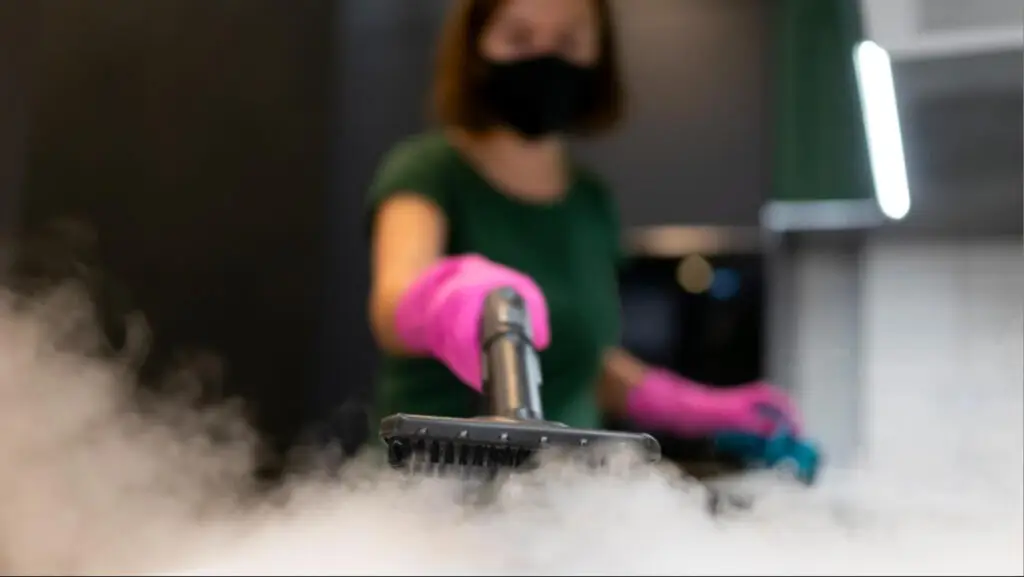
Dust shows up every day. It lands on shelves, floors, and screens. Then, it turns into sneezing, itchy eyes, and a home that never feels fully clean. The good news is simple: smart house cleaning can reduce dust and allergens without taking over your week.
In this guide, you’ll learn what causes dust, where it hides, and what to clean first. You’ll also get a simple home cleaning checklist and a cleaning checklist for house routines that are easy to follow.
House Cleaning Basics: Why Dust and Allergens Build Up
Dust is not just “dirt.” It is a mix of tiny particles. It can include skin flakes, fabric fibers, pollen, pet dander, and tracked-in debris. Because it is light, it moves easily. It also settles fast.
Allergens build up when dust sits too long. Then, every step, fan, or open door stirs it back into the air. That is why house cleaning needs a clear plan and steady rhythm.
Here are common causes of more Dust:
- Open windows during high pollen days
- Pets on furniture and rugs
- Old HVAC filters
- Clutter that blocks proper cleaning
- Carpets and heavy fabric curtains
However, you do not need a perfect home. You only need a consistent approach.
Dust Hotspots: Where to Focus First
If you clean the wrong spots first, you waste time. So, start with areas that create the biggest dust return.
The top dust zones are:
- Ceiling fans and air vents
- Baseboards and door frames
- Upholstery and rugs
- Window sills and blinds
- Behind and under furniture
Also, focus on high-traffic areas. These rooms gather more dust because people move through them more often.
House Cleaning Order: The “Top-Down” Method That Works
Always clean from top to bottom. That way, dust falls onto areas you have not cleaned yet.
Use this order:
- Ceiling fans, vents, and high shelves
- Mid-level surfaces like counters and furniture
- Floors last (vacuum, then mop)
Also, do “dry first, wet last.” Dry dusting first prevents mud and streaks. Then, you can disinfect high-touch areas at the end.
Home Cleaning Checklist: Weekly Dust Control
This home cleaning checklist is designed for dust and allergen control. Keep it simple. Then repeat it.
Weekly essentials
- Dust surfaces with a microfiber cloth
- Vacuum rugs and floors slowly
- Wipe high-touch points (handles, switches)
- Clean bathroom surfaces and floors
- Reset the kitchen (counters, sink, floor)
If you can do only one thing, vacuum well. Slow vacuuming removes more Dust than quick passes.
Cleaning Checklist for House: Room-by-Room Dust Strategy
A room-by-room plan helps you stay focused. It also helps you avoid overcleaning one space and skipping another.
Living room
Dust and allergens often sit on soft surfaces here.
Focus on:
- Vacuum couch cushions and seams
- Dust TV stands and shelves
- Clean window sills and blinds (light dusting)
- Vacuum rugs and floor edges
If you have pets, lint-roll cushions between deeper cleans. It saves time.
Bedroom
Bedrooms can trigger allergy symptoms at night. So, keep the fabrics clean.
Do these steps:
- Wash bedding weekly in warm water
- Vacuum under the bed and around edges
- Dust nightstands and headboards
- Wipe fan blades every 1–2 weeks
Also, reduce extra throw pillows and blanket piles if dust is a big issue.
Kitchen
Kitchens collect Dust plus grease. Grease makes dust stick. So, your goal is to remove film.
Target zones:
- Range hood exterior and backsplash
- Cabinet handles and fronts
- Baseboards near trash and pet bowls
- Floors, especially corners
Quick habit: wipe counters and the sink daily. It keeps buildup low.
Bathroom
Bathrooms can hold allergens too, especially with damp air and lint.
Keep it simple:
- Disinfect sink and toilet
- Wipe shower walls and corners
- Clean mirrors and faucet handles
- Mop floors and edges
Also, run the fan or open a window after showers. It reduces damp buildup.
Tools That Make House Cleaning Easier
You do not need a lot of products. You need the right tools.
The most helpful tools are:
- Microfiber cloths (they trap Dust)
- A vacuum with strong suction (and a good filter)
- A mop for hard floors
- A duster for high areas
- Trash bags and a small basket for clutter
In addition, avoid dry feather dusters. They often spread dust instead of removing it.
Allergens and Dust: Habits That Reduce Buildup
Cleaning matters. However, daily habits reduce how much dust returns.
Try these habits:
- Take shoes off at the door
- Wash pet bedding often
- Replace HVAC filters on schedule
- Keep clutter off floors and surfaces
- Use doormats inside and outside
Also, open windows at the right times. On high pollen days, keep them closed. Instead, use filtered air when possible.
How Often Should You Deep Clean for Dust?
Weekly cleaning controls surface dust. Deep cleaning removes buildup from edges and hidden zones.
A simple schedule:
- Weekly: vacuum, dust surfaces, wipe high-touch points
- Monthly: baseboards, vents, blinds, under furniture
- Seasonally: deep clean rugs, wash curtains, detail fans and trim
If allergies are strong, do deep cleaning more often. Also, focus on bedrooms and living rooms first.
When a Professional Cleaning Service Helps
If you are comparing options, here is a clear way to decide. A professional service is helpful when you need results fast or you want a consistent plan.
Consider pro help if:
- Dust returns quickly no matter what you do
- You have pets and heavy fabric furniture
- You are short on time every week
- You are preparing for guests or a move
- You want deeper detail cleaning on a schedule
A good team will follow a checklist. That makes your house cleaning results more consistent.
Breathe Easier With House Cleaning That Works
Dust is normal. Still, you do not have to live with it. With a smart plan, house cleaning can reduce dust and allergens in a way that feels manageable. Use the home cleaning checklist, follow a top-down method, and keep up with small habits that stop buildup. Over time, your home will feel fresher, calmer, and easier to maintain with house cleaning you can count on.