

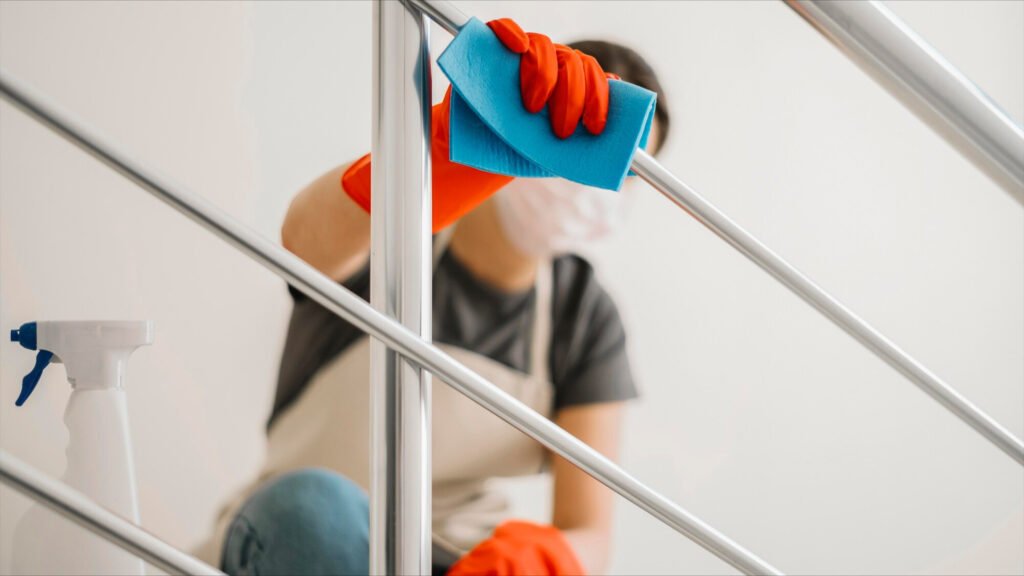
Renovations improve comfort and value. However, they also leave behind dust, debris, and fine particles. That is why deep cleaning after renovation is not optional. It is essential.
Even small projects create hidden mess. Drywall dust spreads fast. Paint residue sticks to surfaces. Therefore, a proper plan helps protect your home, health, and investment.
Before you move back in, you need more than a quick tidy. You need a clear process. You need deep cleaning after renovation done the right way.
Why Deep Cleaning After Renovation Is Necessary
Construction dust is different. It is finer and more aggressive. It settles inside vents, corners, and fabrics. As a result, normal cleaning does not remove it.
Deep cleaning after renovation helps because it:
- Removes fine dust from all surfaces
- Improves indoor air quality
- Protects new finishes and fixtures
- Makes the space safe and comfortable again
Also, renovation debris can damage floors and furniture if left behind. Therefore, acting fast matters.
What Makes Post-Construction Cleaning Different
Post-construction cleaning is not routine cleaning. It follows a structured approach. It also uses different tools and methods.
A proper post construction cleaning checklist focuses on detail and sequence. First, dust removal. Then, surface cleaning. Finally, floor care.
This order matters. Otherwise, dust just moves around.
Key differences you should expect
- More time per room
- Multiple dusting passes
- Stronger focus on edges, vents, and fixtures
- Careful handling of new materials
Because of this, deep cleaning after renovation takes longer than standard cleaning.
Post Construction Cleaning Checklist: The Big Picture
A clear post construction cleaning checklist keeps the job efficient. It avoids missed areas. It also sets expectations.
At a high level, most checklists include:
- Dry dust removal first
- Wet wiping second
- Floors cleaned last
- Final detail check
This flow protects newly finished areas and improves results.
Deep Cleaning Checklist by Room: Where the Work Happens
Every room needs attention. However, each room has different priorities. Below is a practical deep cleaning checklist by room.
Kitchen deep cleaning after renovation
The kitchen collects dust and residue fast. Even closed cabinets trap particles.
Typical tasks include:
- Wipe inside and outside cabinets
- Clean countertops and backsplash
- Remove dust from appliance exteriors
- Clean inside microwave if needed
- Sanitize sink and faucet
- Vacuum and mop floors
Because kitchens handle food, deep cleaning after renovation here is critical.
Bathroom post-construction cleaning
Bathrooms hide dust in grout and fixtures.
Checklist items:
- Scrub shower walls and tub
- Clean toilet and base area
- Wipe mirrors and fixtures
- Detail grout lines
- Sanitize handles and switches
- Clean floors carefully
As a result, bathrooms feel fresh and safe again.
Bedrooms and living areas
These rooms hold airborne dust in soft surfaces.
Deep cleaning tasks include:
- Dust all surfaces, top to bottom
- Wipe baseboards and doors
- Clean window sills and tracks
- Vacuum carpets thoroughly
- Mop hard floors
Also, vents and fans need attention here.
Entryways and hallways
These areas collect debris from foot traffic.
Checklist focus:
- Door frames and trim
- Light switches
- Corners and edges
- Floor detailing
Small areas still matter in deep cleaning after renovation.
Post Construction Cleaning Rates: What Impacts the Cost
Many people ask about post construction cleaning rates. The answer depends on several factors.
Rates often vary based on:
- Size of the space
- Level of dust and debris
- Type of renovation
- Number of rooms
- Floor and surface materials
Light remodels cost less. Full renovations cost more. Therefore, quotes are usually custom.
Typical pricing structure
While prices vary, most post construction cleaning rates are based on:
- Square footage
- Hourly labor
- Flat project rates
Also, heavy dust or paint residue can increase time and cost.
Tools and Products Used in Deep Cleaning After Renovation
This type of cleaning requires the right tools. Regular supplies are not enough.
Common tools include:
- HEPA-filter vacuums
- Microfiber cloths
- Extension dusters
- Neutral, non-abrasive cleaners
These tools trap dust instead of spreading it. Therefore, results last longer.
Also, safe products protect new paint, stone, and flooring.
Common Mistakes to Avoid After Renovation
Some mistakes reduce cleaning results. Others cause damage.
Avoid these issues:
- Sweeping before vacuuming
- Using harsh chemicals on new surfaces
- Skipping vents and fans
- Cleaning floors before dust removal
Because dust falls, order matters. Deep cleaning after renovation must follow a plan.
How Long Does Deep Cleaning After Renovation Take?
Time depends on the project. Small updates may take a few hours. Full renovations can take a full day or more.
Factors that affect time:
- Number of rooms
- Amount of dust
- Ceiling height
- Furniture presence
Empty spaces clean faster. Furnished homes take longer. Therefore, timing should be planned.
When to Schedule Post-Construction Cleaning
Timing is important. Cleaning too early causes repeat dust. Cleaning too late delays use of the space.
The best time is:
- After all work is finished
- After painters and contractors leave
- After dust has settled
This ensures deep cleaning after renovation is effective the first time.
Who Needs Post-Construction Cleaning the Most
This service is useful for many situations:
- Homeowners after remodeling
- Renters returning to a unit
- Airbnb hosts preparing for guests
- Office managers reopening spaces
In all cases, clean presentation matters. So does safety.
The Fresh Start Method
Deep cleaning after renovation is more than cleaning. It is the final step of your project. It removes stress and restores comfort.
By following a clear post construction cleaning checklist, understanding post construction cleaning rates, and using a deep cleaning checklist by room, you avoid surprises.
In the end, deep cleaning after renovation gives you what renovation promised: a fresh, clean, usable space.