

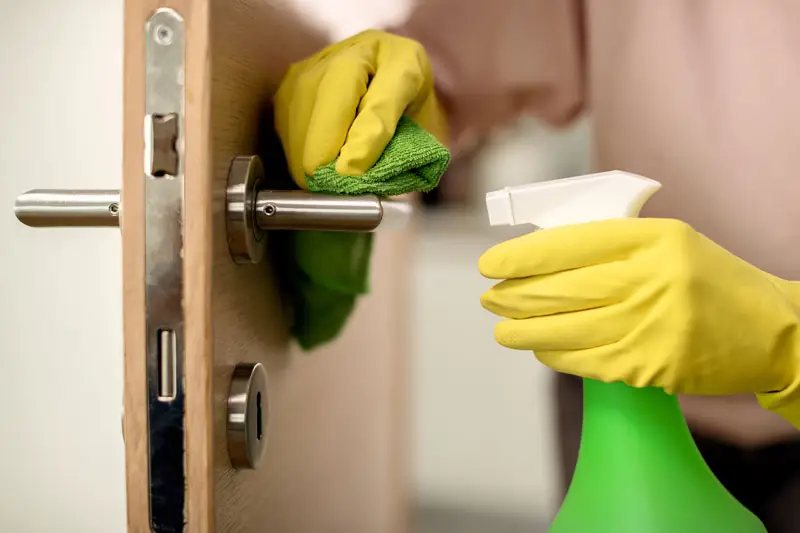
A one-time deep clean hidden spots guide helps you focus on the areas that regular cleaning often misses. These are the places where dust, grease, crumbs, pet hair, fingerprints, and moisture can build up quietly, even when the rest of the home looks clean.
This article is not a full room-by-room cleaning checklist. Instead, it focuses on the overlooked details that make a one-time deep clean feel more complete. If you need a full planning guide, use our complete deep cleaning checklist before choosing your priorities.
The quick answer for hidden spots
The most common one-time deep clean hidden spots include the tops of cabinets, baseboards, ceiling fans, air vents, door frames, window tracks, behind appliances, under furniture, behind toilets, cabinet handles, light switches, and closet floors.
These areas matter because they collect buildup slowly. You may not notice them during weekly cleaning, but they can affect how fresh the home feels.
Before starting or booking a one-time deep clean, check these areas:
- Look up: fans, vents, light fixtures, cabinet tops.
- Look down: baseboards, corners, floor edges, under furniture.
- Look behind: appliances, toilets, doors, beds, nightstands.
- Check touchpoints: handles, switches, remotes, railings.
- Check narrow spaces: window tracks, closet corners, stair edges.
If several of these areas have visible dust, grime, or buildup, a one-time deep clean can help reset the home and make regular cleaning easier.
Why one-time deep clean hidden spots matter
One-time deep clean hidden spots are easy to ignore because they are not always visible at first glance. A kitchen counter may look clean, but the top of the refrigerator can be dusty. A bathroom sink may shine, but the base behind the toilet can still collect hair, dust, and moisture.
Professional cleaners often see this pattern during one-time deep clean appointments. The home is usually maintained, but the details have built up over time. These details can make a space feel less fresh, even after regular cleaning.
Hidden spots matter because they can affect:
- How clean the home looks from different angles
- How fresh each room feels
- How often dust returns
- How easy weekly cleaning becomes
- How comfortable the home feels for guests
- How prepared the home is for recurring cleaning
A one-time deep clean is often used as a reset. That reset works best when the forgotten areas are part of the plan.
Top of cabinets and tall furniture
The tops of kitchen cabinets, refrigerators, wardrobes, bookshelves, and tall furniture are some of the most forgotten areas in a home. They are above eye level, so they are easy to miss.
In kitchens, cabinet tops can collect a mix of dust and grease. This buildup can become sticky, especially in homes where cooking happens often. In bedrooms and living areas, tall furniture may collect dry dust, pet hair, and lint.
Check these areas before a one-time deep clean:
- Top of refrigerator
- Top of kitchen cabinets
- Top of pantry cabinets
- Top of wardrobes
- Top of bookshelves
- Top of entertainment centers
- High shelves and ledges
The best way to clean these areas is to remove loose dust first, then wipe the surface with the right product for the material. Avoid soaking wood surfaces or using harsh products on delicate finishes.
If these areas have not been cleaned in months, they can take longer than expected. That is one reason they are important to mention when booking a one-time deep cleaning service in South Florida.
Baseboards and floor edges
Baseboards are one of the clearest signs that a home needs a deeper cleaning. They collect dust, pet hair, scuff marks, and debris from daily movement. Because they sit low to the ground, they are often skipped during standard cleaning.
Baseboards can make a big visual difference. Even if the floors are clean, dusty baseboards can make the room look unfinished.
Focus on these areas:
- Baseboards behind doors
- Baseboards behind furniture
- Hallway baseboards
- Bedroom baseboards
- Bathroom baseboards
- Kitchen toe kicks
- Stair trim
- Floor edges near walls
In homes with pets, baseboards can collect hair quickly. In busy kitchens, the lower cabinet area can also collect crumbs and food residue.
A practical approach is to vacuum the baseboards first, then wipe them with a damp cloth. For scuff marks, use a gentle method that matches the paint or material. Avoid aggressive scrubbing that can damage the finish.
Behind and under appliances
Appliances hide more dirt than most people expect. The space behind and under them can collect crumbs, grease, dust, pet hair, and small objects.
This is especially common around:
- Refrigerator
- Stove
- Dishwasher edges
- Washer and dryer
- Microwave area
- Coffee station
- Toaster area
Behind the refrigerator and stove, buildup can sit for a long time because these appliances are not moved during regular cleaning. If an appliance can be safely moved, the area behind it may need vacuuming and wiping.
Do not move heavy appliances without help or without checking safety first. Some appliances are connected to water, gas, or electrical lines. If the item cannot be moved safely, clean the accessible edges and mention the concern during a professional appointment.
This is a good example of why hidden spots should be discussed before a one-time deep clean. It helps set realistic expectations and prevents missed priorities.
Ceiling fans and light fixtures
Ceiling fans are classic hidden spots in a one-time deep clean. They collect dust on the top side of the blades, where it is not always visible from below. When the fan turns on, that dust can move around the room.
Light fixtures can also collect dust, dead insects, fingerprints, and film. In bathrooms, moisture can make buildup worse. In kitchens, fixtures may collect a light layer of grease.
Include these in your hidden spots review:
- Ceiling fan blades
- Light fixture covers
- Pendant lights
- Bathroom vanity lights
- Chandelier details
- Lampshades
- Recessed light trim
Always clean these areas safely. Use a stable step stool when needed, and avoid stretching too far. Turn off fixtures before cleaning them. For delicate fixtures, use a soft cloth and avoid harsh products.
The EPA explains that indoor air quality can be affected by particles and pollutants inside the home. Regular cleaning, moisture control, and source control can help reduce some indoor issues. Learn more from the EPA’s indoor air quality resources: https://www.epa.gov/indoor-air-quality-iaq.
Door frames, doors, and handles
Doors collect more fingerprints and dust than people realize. The area around handles often shows smudges, while the top of the door frame collects dust.
During a one-time deep clean, check:
- Front and back of doors
- Door handles
- Door frames
- Top of door frames
- Closet doors
- Pantry doors
- Bathroom doors
- Sliding door tracks
- Entry doors
Door frames are especially easy to miss because they are narrow. But once they are cleaned, the room often feels more polished.
High-touch areas, such as handles and knobs, should be cleaned carefully. In bathrooms and kitchens, these spots may need more attention because they are touched often throughout the day.
Air vents and returns
Air vents and returns are important hidden spots because they can collect visible dust. If dust builds up around vents, the room may feel dusty again soon after cleaning.
Check these areas:
- Ceiling vents
- Wall vents
- Floor vents
- Return air grilles
- Bathroom exhaust fan covers
- Laundry room vents
Use a vacuum brush attachment to remove loose dust. Then wipe the exterior grille when appropriate. Avoid pushing dust deeper into the vent.
A one-time deep clean does not replace HVAC maintenance or duct cleaning. However, cleaning the visible vent covers can improve the appearance of the room and reduce surface dust around those areas.
If vents are very dirty, damaged, moldy, or producing odors, that may require a different type of professional assessment.
Window tracks and window sills
Window tracks are one of the most overlooked hidden spots in the home. They collect dust, dead insects, pollen, moisture, and dirt from outside air.
This is common in:
- Bedroom windows
- Kitchen windows
- Bathroom windows
- Sliding doors
- Patio doors
- Living room windows
Window sills are easier to see, but tracks can hide buildup in narrow grooves. When neglected, they can make windows harder to open and can affect the overall clean feeling of the room.
A good one-time deep clean should include visible window sills and accessible tracks. For heavy buildup, use a small brush or vacuum attachment first. Then wipe the area with a damp cloth.
Do not flood window tracks with water. Too much moisture can cause problems, especially around wood, paint, or older window frames.
Under furniture and behind beds
The areas under furniture often collect dust, pet hair, small items, crumbs, and lint. This is especially true under beds, sofas, dressers, nightstands, and chairs.
Hidden dust under furniture can make the room feel dusty even after visible surfaces have been cleaned.
Focus on:
- Under beds
- Behind headboards
- Behind nightstands
- Under sofas
- Under accent chairs
- Behind dressers
- Under console tables
- Under dining chairs
- Behind TV stands
Move small furniture when it is safe. For heavier furniture, clean the accessible edges and spaces around it. Do not drag large pieces across delicate flooring.
In bedrooms, under-bed dust can build up quickly because bedding, clothing, skin particles, and fabric lint all contribute to dust. If there are storage bins under the bed, they should be pulled out and wiped when possible.
Behind toilets and bathroom corners
Bathrooms have several hidden spots that are easy to miss. Behind the toilet is one of the most important. This area collects dust, hair, moisture, and residue. Because the space is narrow, it is often skipped during quick cleaning.
Check these areas:
- Behind the toilet
- Toilet base
- Floor around the toilet
- Bathroom corners
- Behind trash cans
- Behind small shelves
- Around sink pedestal bases
- Edges near the tub or shower
- Bottom of bathroom cabinets
A bathroom can look clean from above but still have buildup near the floor. This is why professional cleaners often pay close attention to edges, corners, and bases.
Moisture makes bathroom hidden spots more sensitive. Keep bathroom areas as dry as possible after cleaning, and make sure ventilation is working properly.
Cabinet handles, switches, and touchpoints
High-touch surfaces can be small, but they make a big difference in a one-time deep clean. These areas collect fingerprints, oils, dust, and residue.
Important touchpoints include:
- Kitchen cabinet handles
- Bathroom cabinet handles
- Drawer pulls
- Light switches
- Door handles
- Stair railings
- Remote controls
- Appliance handles
- Faucet handles
- Closet knobs
- Entry handles
These areas should be cleaned with care. The right product depends on the material. Stainless steel, painted wood, plastic, glass, and brass may need different methods.
A common mistake is cleaning large surfaces while ignoring touchpoints. When handles and switches are dirty, the home can still feel less clean.
Closet floors and storage corners
Closets are often treated as storage spaces, not cleaning priorities. But closet floors and corners can collect dust, shoe dirt, pet hair, and clutter.
During a one-time deep clean, check:
- Bedroom closet floors
- Linen closet shelves
- Pantry corners
- Entry closet floors
- Laundry storage areas
- Utility closet floors
- Corners behind storage bins
Closets do not always need a full organization project, but the floors and accessible shelves should be reviewed. If there are too many items, cleaning becomes difficult. Removing bags, shoes, boxes, and loose items before service can help.
This is especially useful before starting recurring cleaning. Once closets and corners are reset, the home is easier to maintain.
Mistakes to avoid when cleaning hidden spots
Hidden spots need a careful approach. Trying to clean everything quickly can lead to missed areas or surface damage.
Avoid these mistakes:
- Cleaning hidden spots after floors
Dust and debris fall down. Clean high and hidden areas before final vacuuming and mopping. - Using harsh products on every surface
Not all surfaces can handle strong cleaners. Painted surfaces, wood, stone, and metal may need different care. - Moving heavy furniture without checking safety
Large items can damage floors or cause injury. Clean only what can be moved safely. - Ignoring appliance connections
Some appliances are connected to gas, water, or electrical systems. Do not move them without caution. - Forgetting ventilation
When cleaning dusty or enclosed spaces, ventilation can help. Open windows when appropriate. - Skipping dry dust removal
If you wipe heavy dust with a wet cloth first, it can smear. Vacuum or dust first. - Treating a hidden spot list like a full checklist
This article focuses on forgotten areas. For a complete plan, use the full deep cleaning checklist.
When hidden spots signal a bigger cleaning problem
Some hidden spots are normal. Dust behind furniture or on fan blades happens in most homes. But certain signs may mean the home needs more than a quick touch-up.
Look for these signs:
- Dust returns within a day or two.
- Kitchen cabinets feel sticky.
- Bathroom corners stay damp.
- Vents are visibly gray.
- There are odors after regular cleaning.
- Baseboards have thick dust.
- Floors are dirty along the edges.
- Window tracks have heavy buildup.
- Behind appliances has grease or crumbs.
- The home feels clean only for a short time.
These signs often mean buildup has spread across multiple areas. In that case, a one-time deep clean may be a practical reset.
How often should you clean hidden spots?
Most one-time deep clean hidden spots should be cleaned every 3 to 6 months. This frequency works well for many maintained homes, especially when regular cleaning happens weekly or biweekly.
Some homes may need hidden spots cleaned more often. This includes homes with:
- Pets
- Children
- Heavy cooking
- Frequent guests
- High humidity
- Allergy concerns
- Lots of fabric furniture
- Busy entry areas
Seasonal cleaning is also a good moment to review hidden spots. Spring, summer hosting, holiday preparation, and post-guest resets are common times to check vents, baseboards, cabinet tops, window tracks, and bathroom corners.
If hidden spots become dirty again very quickly, the issue may not be only cleaning frequency. It may also involve clutter, poor ventilation, pet shedding, moisture, or surfaces that need more consistent maintenance.
FAQ about one-time deep clean hidden spots
What are the most forgotten spots in a one-time deep clean?
The most forgotten spots are ceiling fans, baseboards, window tracks, air vents, behind toilets, under beds, behind appliances, cabinet handles, door frames, and closet floors.
Is this the same as a full deep cleaning checklist?
No. This guide focuses only on one-time deep clean hidden spots. A full checklist covers every room in more detail, including kitchens, bathrooms, bedrooms, living areas, floors, fixtures, and general cleaning steps.
Should I clean hidden spots before hiring a professional?
You do not need to clean them first. However, it helps to identify your priorities before the appointment. That way, the cleaning team knows which areas matter most to you.
How often should hidden spots be cleaned?
Most hidden spots should be cleaned every 3 to 6 months. Homes with pets, children, heavy cooking, or frequent visitors may need these areas cleaned more often.
Are hidden spots included in regular cleaning?
Not always. Regular cleaning usually focuses on visible and routine areas. Hidden spots are more commonly addressed during deep cleaning or detailed one-time cleaning.
Which hidden spots affect how fresh the home feels most?
Vents, ceiling fans, baseboards, behind furniture, bathroom corners, and kitchen cabinet fronts often affect freshness the most because they collect dust, grease, or moisture over time.
Can hidden spots cause odors?
Yes, some can. Trash can areas, behind appliances, bathroom corners, pet areas, and kitchen edges can hold crumbs, moisture, or residue that may contribute to odors.
Prepare your home for a better one-time deep clean
A one-time deep clean works best when the forgotten details are clear before the work begins. You do not need to create a perfect home before cleaning, but you can make the appointment more effective by noticing the hidden spots that bother you most.
Before your appointment, walk through the home and check:
- High areas
- Low edges
- Behind furniture
- Under beds
- Around appliances
- Bathroom corners
- Vents and fans
- Window tracks
- Doors and handles
Then choose your top priorities. Maybe the kitchen needs the most attention. Maybe the bedrooms feel dusty. Maybe the bathrooms need detail work around edges and fixtures.
Use this one-time deep clean hidden spots guide before your next seasonal reset, guest visit, or professional cleaning appointment. If your home needs a full reset, Maid Cleaning For You can help with detailed cleaning that targets the areas regular maintenance often misses.
A professional one-time deep clean can make your home feel cleaner, fresher, and easier to maintain.