

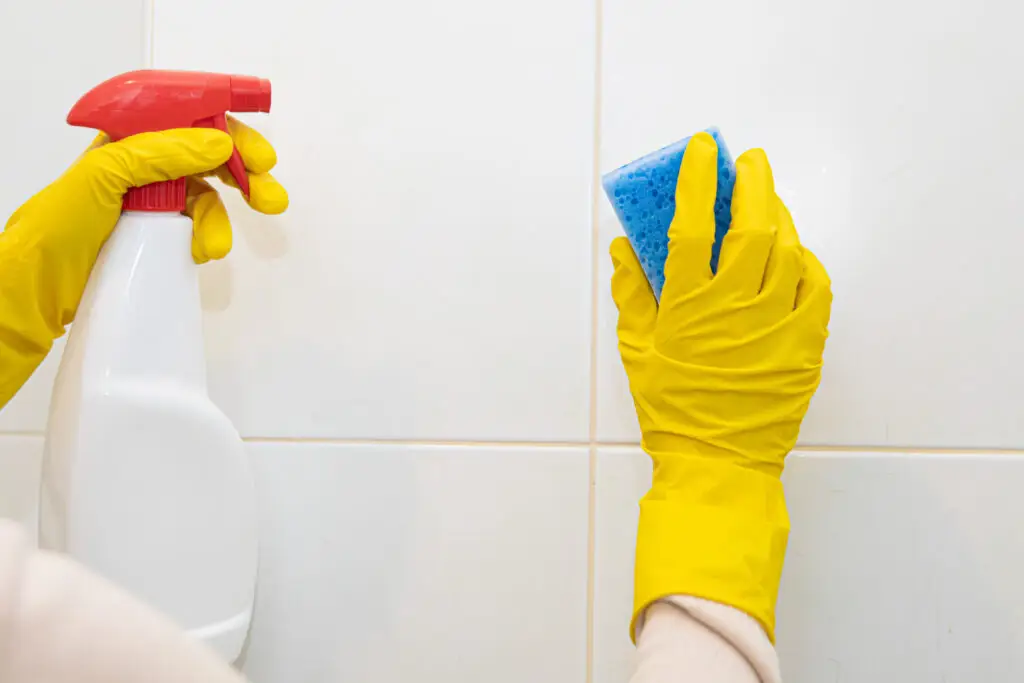
Mold growth is an inevitable reality in any bathroom environment where moisture is abundant and temperatures are warm. While it can seem unsightly and intimidating, most surface mold can be safely and effectively removed with common household products and a proper technique. This comprehensive guide will walk you through the cleaning process and provide essential information on both non-toxic and commercial solutions.
Why Mold Grows in Bathrooms
Mold is a type of fungus that reproduces by releasing microscopic spores into the air. These spores are everywhere, but they only become a problem when they land on a surface where conditions are ideal for colonization and growth.
Moisture, Humidity, and Lack of Ventilation
The bathroom creates the perfect mold incubator due to three key factors:
- Heat and Humidity: Hot showers rapidly increase the relative humidity, causing warm, moisture-laden air to condense into liquid water on cooler surfaces like walls, ceilings, and windows. Mold needs this prolonged moisture (often 24–48 hours) to begin forming colonies.
- Food Source: Mold doesn’t only feed on water. It consumes organic matter, which in a bathroom includes soap scum, dead skin cells, hair, and dust particles trapped in residue.
- Poor Airflow: A lack of robust or consistent ventilation (such as an undersized exhaust fan or one not run long enough) keeps the moist air trapped, extending the time that surfaces remain wet and increasing the risk of spore colonization.
Common Spots Where Mold Develops
Mold is typically found in areas where water collects and airflow is minimal:
- Grout Lines: Cement-based grout is porous and absorbs moisture readily, making it an ideal breeding ground for mold roots (mycelium).
- Caulking and Sealants: The silicone or latex caulk around the tub, shower pan, or sink can hold moisture and often contain organic fillers that mold feeds on. Once mold penetrates caulk, it often requires replacement.
- Ceilings and Upper Walls: In poorly ventilated bathrooms, steam rises and condenses on the highest points, often leading to large, widespread mold patches on the ceiling.
- Base of Toilet and Sink: Mold can develop where the floor meets the fixture, often due to minor condensation or slow, undetected leaks around the plumbing connections.
- Shower Curtains and Doors: Residue buildup on plastic and glass surfaces allows for rapid surface mold growth.
Best Cleaning Products for Mold Removal
Always wear gloves and safety goggles when cleaning mold, and ensure the room is as well-ventilated as possible. Never mix commercial cleaners (especially those containing ammonia) with bleach, as this creates toxic and potentially lethal fumes.
Vinegar and Baking Soda for Mild Growth
These non-toxic, powerful household staples are excellent for killing mold and preventing its return on porous surfaces like grout.
- White Vinegar (Natural Fungicide): White vinegar is typically 5% acetic acid, which can kill about 82% of mold species. It’s safe for most surfaces and, unlike bleach, can penetrate porous materials to kill the underlying mold roots.
- Application: Pour undiluted white vinegar into a spray bottle. Spray the affected area generously and let it sit for at least 60 minutes before scrubbing.
- Baking Soda Paste (Abrasive and Neutralizer): Baking soda (sodium bicarbonate) is a mild abrasive that helps scrub away mold and is a natural deodorizer.
- Application: Mix one part baking soda with two parts water to form a paste. Apply the paste to the moldy area, let it sit for a few minutes, and then scrub thoroughly.
Hydrogen Peroxide for Stubborn Areas
Hydrogen peroxide is a potent antifungal, antiviral, and antibacterial agent, ideal for tackling areas with persistent mold or heavy discoloration.
- Application: Use a standard 3% household hydrogen peroxide solution. Pour it into a spray bottle (do not dilute) and saturate the moldy surface. Allow the solution to sit for 10 to 15 minutes to fully break down the mold and spores. Scrub vigorously and rinse clean. Peroxide is safe to use on hard surfaces but can lighten fabrics or painted surfaces, so always test in an inconspicuous area first.
Commercial Mold Removers for Heavy Buildup
For areas of extensive black mold or deep staining that natural cleaners can’t handle, a targeted commercial product may be necessary.
- Selection: Look for products specifically formulated for mold and mildew that utilize enzymes or high-strength detergents, rather than relying solely on bleach.
- Caution: Always read the product label carefully and follow all safety instructions, including recommended ventilation and dwell times. These products often have strong fumes and should be used sparingly.
Step-by-Step Mold Cleaning Process
Follow these steps for a safe and effective mold removal:
1. Spray Cleaner and Let It Sit for 10 Minutes (Dwell Time)
The key to killing mold is contact time (or “dwell time”), not immediate scrubbing.
- Preparation: Open a window and turn on the exhaust fan. If the area is dry, lightly spray it with water first to prevent spores from becoming airborne during cleaning.
- Application: Apply your chosen mold cleaner (vinegar, peroxide, or commercial product) to the entire mold-affected area.
- Dwell Time: Allow the cleaner to sit for at least 10–15 minutes (or 60 minutes for vinegar). This time is necessary for the solution to penetrate the surface and kill the mold roots.
2. Scrub Grout and Corners with a Brush
Once the solution has saturated the mold, mechanical scrubbing is required to lift the dead spores and staining.
- Tools: Use a hard-bristled scrub brush or an old toothbrush for detailed work in corners and along caulk lines. Avoid steel wool, which can scratch surfaces.
- Technique: Scrub vigorously but carefully. Focus your effort on the grout lines and the edges of the tub or shower pan. If the mold is still visible, reapply the cleaner and let it sit for another 10 minutes before scrubbing again.
3. Rinse and Dry Thoroughly
This final step is non-negotiable for mold prevention.
- Rinse: Thoroughly rinse the area with clean water to remove all traces of the cleaning product and the dead mold spores.
- Dry: The surface must be completely dry before you close up the bathroom. Use a clean, dry towel or a squeegee to wipe down the area. Run the exhaust fan for another 30 minutes to remove any remaining water vapor. Leaving residual moisture will allow new mold to grow immediately.
How to Prevent Mold from Returning
Successfully cleaning mold is only half the battle; maintaining a moisture-free environment is essential for long-term prevention.
Use Exhaust Fans or Open Windows
The primary mission is reducing humidity to below 50% relative humidity.
- Extended Fan Use: Make it a habit to run your exhaust fan for a minimum of 30 minutes after every shower. If your fan is old or noisy, consider upgrading to a high-capacity, low-sone (quiet) model designed for bathroom ventilation.
- Door and Window Protocol: If you have a window, open it while showering and keep the door slightly ajar to encourage cross-ventilation.
Wipe Down Tiles After Showers
Removing bulk water manually drastically shortens the drying time of your bathroom surfaces.
- Squeegee Habit: Keep a squeegee in the shower and use it to wipe down all tiled walls and the shower door immediately after you finish.
- Towel Wipe: Spend a minute wiping down the base of the shower, the floor near the tub, and the shower curtain (or pull the curtain fully closed) with a dry towel. Less water equals less mold.
- Airtight Storage: Do not store wet sponges, washcloths, or towels in a pile inside the bathroom.
FAQs
Can I use bleach to clean bathroom mold?
While bleach (sodium hypochlorite) is highly effective at killing surface mold, it is generally not recommended as a primary mold killer, especially on porous bathroom materials like grout:
- Surface Killer Only: Bleach is a corrosive liquid that cannot penetrate porous materials like wood, drywall, or cement grout. It only removes the surface color and stains, leaving the mold’s root structure (mycelium) intact below the surface. This means the mold will quickly regrow.
- Damages Grout: Bleach can degrade the protective sealant on grout, making the grout more porous, more susceptible to water absorption, and more prone to future mold growth.
- Harsh Fumes: When mixed with certain cleaning residues (like ammonia-based window cleaners or toilet bowl cleaners), it creates toxic and dangerous chlorine gas.
Recommendation: Stick to vinegar, peroxide, or commercial mold removers for the most effective, root-level kill.
Is mold in the bathroom harmful to health?
Yes, exposure to mold can be harmful, particularly for individuals with allergies, asthma, or compromised immune systems.
- Allergens: Mold spores are common allergens. Exposure can trigger symptoms like sneezing, runny nose, red eyes, and skin rash.
- Respiratory Irritation: Inhaling mold spores, even without an allergy, can irritate the lungs and throat, causing coughing and wheezing.
- Asthma Attacks: For people with asthma, mold exposure can trigger severe attacks.
If you suspect large-scale or hidden mold growth, or if cleaning the visible mold does not relieve health symptoms, professional remediation is strongly advised.
Mold cleaning is about establishing a sustainable routine of moisture control. Get your scrub on this weekend to reset your bathroom, and then commit to using that exhaust fan for thirty minutes after every shower!
If you find that your mold issues are deeply persistent or related to leaky pipes and structural damage, reach out to a certified professional. Would you like me to find some resources on selecting a reliable mold remediation service in your area, or perhaps create a simple daily bathroom checklist to help you maintain a moisture-free zone?