

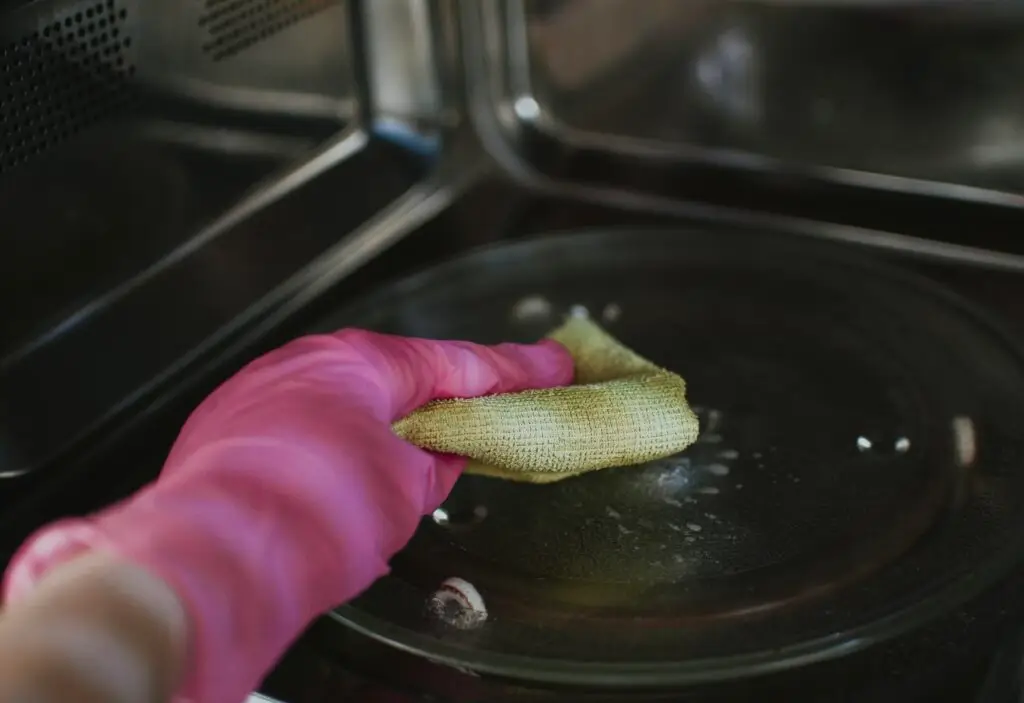
The microwave is one of the most frequently used appliances in the modern kitchen, and often one of the dirtiest. Dried-on food splatter, grease, and strong odors can build up quickly. Fortunately, restoring your microwave to a sparkling, sanitized state is simple and fast, requiring only common household items. This guide covers the quickest and most effective methods to achieve a spotless clean.
Why Regular Microwave Cleaning Matters
Beyond aesthetics, maintaining a clean microwave is vital for hygiene, efficiency, and the longevity of the appliance itself.
Prevents Odors and Bacteria Buildup
Food particles, especially proteins and fats, become embedded in the walls and ceiling of the microwave cavity. As these residues are reheated repeatedly, they become a breeding ground for bacteria and mold, leading to unpleasant, stale odors that transfer to newly heated food. Regular cleaning sanitizes the surface and prevents this harmful cycle.
Keeps Appliances Functioning Efficiently
Dried-on splatter and food residue can absorb microwave energy, leading to “hot spots” in the cooking process and potentially reducing the appliance’s overall heating efficiency. A clean interior allows the microwaves to reflect properly, ensuring your food heats quickly and evenly as intended.
Natural Cleaning Solutions
You don’t need harsh chemicals to tackle dried microwave messes. These natural methods use steam to loosen caked-on food, making the wipe-down process effortless.
Vinegar and Lemon Steam Method
This is the most powerful method for loosening stubborn grime and deodorizing the appliance simultaneously.
- Preparation: Fill a microwave-safe bowl with 1 cup of water. Add 2 tablespoons of white distilled vinegar and either a handful of lemon slices or 1 tablespoon of lemon juice.
- Purpose: The acetic acid in the vinegar cuts through grease, while the lemon oil provides a fresh, clean scent.
- Process: The steam generated by this mixture permeates the microwave cavity, gently loosening hardened food particles so they can be easily wiped away.
Baking Soda Paste for Stubborn Stains
For tough, dark, or sticky spots that remain after the steaming process, baking soda acts as a gentle, non-abrasive scrub.
- Preparation: Mix a small amount of baking soda with water to create a thick, spreadable paste.
- Application: Apply the paste directly to the stubborn stain. Let it sit for 5 to 10 minutes to penetrate the grime.
- Action: The mild abrasive quality of the baking soda helps lift the stain without scratching the delicate interior finish of the microwave.
Step-by-Step Cleaning Process
Follow these simple steps for a deep, sanitized clean using the steam method.
Heat Cleaning Mixture for 5 Minutes
Place your prepared bowl (water, vinegar, and lemon) inside the microwave. Run the microwave on high power for approximately five minutes, or until the mixture is brought to a rolling boil and the window is completely steamed up.
Crucial Step: Do not open the door immediately! Let the bowl sit inside the microwave for an additional 5 to 10 minutes. This “resting period” allows the superheated steam to continue condensing on the interior walls, ensuring every piece of hardened food is thoroughly softened and lifted.
Wipe Interior with Soft Cloth
Carefully remove the hot bowl and the turntable. Use a soft, microfiber cloth or sponge dampened with the cleaning mixture from the bowl to wipe down the interior walls, ceiling, and floor. You should find that all the splatters and grime slide off easily. For any remnants, apply the baking soda paste as needed.
- Tip: Clean the removable glass turntable separately in the sink with dish soap and dry it thoroughly before replacing it.
Clean Exterior and Buttons with Mild Soap
Once the interior is spotless, focus on the outside.
- Mixture: Use a separate cloth dampened with mild dish soap and warm water.
- Cleaning: Wipe down the door handle, the exterior casing, and especially the control panel and buttons, which accumulate grease and fingerprints.
- Safety: Be careful not to let excess water seep into the control panel circuitry. Finish by wiping the exterior dry with a clean, dry cloth to prevent streaks.
Maintenance Tips
A few quick habits can significantly reduce the need for deep cleaning and keep your microwave operating at peak performance.
Cover Food to Prevent Splatters
This is the single most effective way to keep your microwave clean. Use paper towels, microwave-safe lids, or a dedicated food splatter guard when heating food. Covering food traps steam, which heats the food more efficiently, and prevents virtually all messy splatters from hitting the cavity walls.
Clean Once a Week for Best Results
Commit to a quick, weekly wipe-down. If you have a minor splatter incident, clean it up immediately while the food is still soft and before it hardens. A proactive, weekly five-minute cleaning session will prevent major buildups and keep your microwave fresh-smelling and ready to use.
FAQs
Can I use dish soap to clean a microwave?
Yes, dish soap is an excellent, gentle cleaner for the exterior, the turntable, and for spot-cleaning the interior after the steaming process has loosened the heavy grime. However, dish soap alone is not effective for breaking down hardened, dried-on food splatters on the inside walls. The power of the steam is what allows the dish soap (or simply water) to work effectively inside the cavity.
How do I remove burnt smells?
Burnt food odors can be stubborn because the molecules penetrate the plastic lining. The best methods are:
- Vinegar Steam: Use the vinegar and lemon steam method described above, but let the bowl sit inside the microwave for up to 30 minutes after boiling.
- Baking Soda Absorber: After cleaning, leave an open bowl of baking soda inside the cold microwave overnight (or even for 24 hours). Baking soda is a natural odor absorber and will draw out lingering smells.
- Coffee Grounds: For a pleasant alternative, you can try boiling a cup of water with a few tablespoons of used coffee grounds inside the microwave for two minutes, and then letting it sit for an hour.