

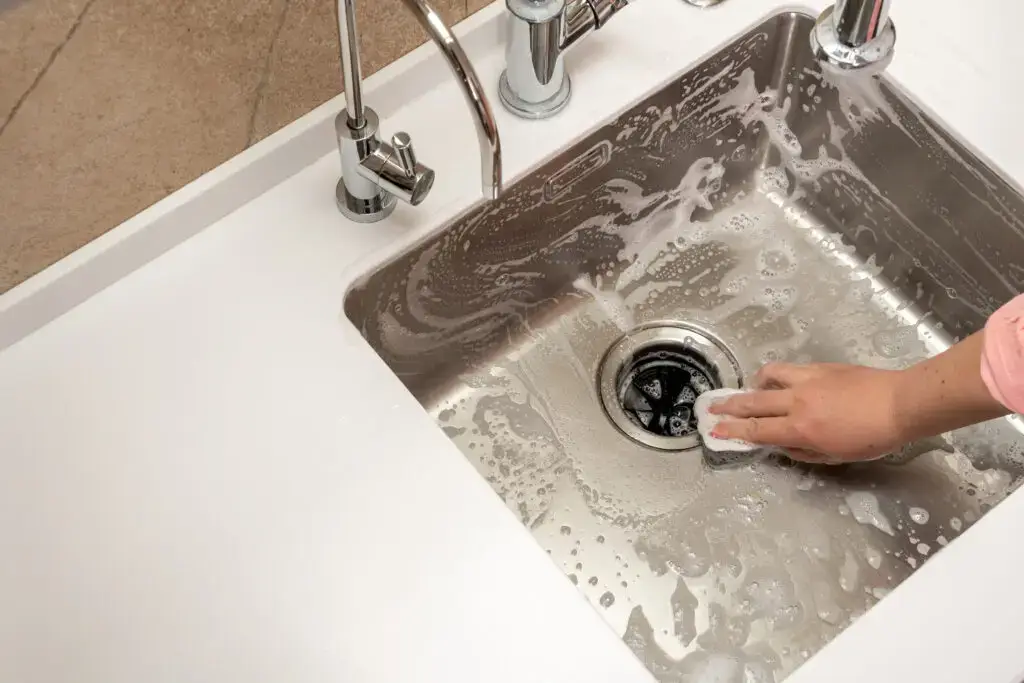
Stainless steel sinks are a staple in many modern kitchens, prized for their durability, sleek appearance, and resistance to rust and corrosion. However, even this robust material isn’t immune to the daily wear and tear of kitchen life. Water spots, fingerprints, food residue, and even minor scratches can dull its luster and make it look less than pristine. Proper care goes beyond just a quick wipe-down; it involves understanding the material’s unique properties to clean it effectively, remove stubborn marks, and protect its shine for years to come. This guide will walk you through everything you need to know to keep your stainless steel sink gleaming, from daily maintenance to tackling tough stains.
Why stainless steel needs proper care
Stainless steel is celebrated for its low-maintenance qualities, but “low maintenance” doesn’t mean “no maintenance.” Understanding why this material requires specific care helps in preserving its aesthetic and functional properties.
- Fingerprints and Smudges: The smooth, reflective surface of stainless steel is a magnet for fingerprints, smudges, and grease from hands. These are highly visible and can quickly make a clean sink look dirty.
- Water Spots and Mineral Deposits: Hard water, common in many areas, leaves behind mineral deposits (limescale) when it dries. These manifest as white, cloudy spots that detract from the steel’s shine and can be stubborn to remove if left unaddressed.
- Scratches: While durable, stainless steel can scratch. Abrasive cleaners, scour pads, or even cutlery can leave hairline scratches that accumulate over time, dulling the finish. It’s crucial to clean with the grain of the steel to minimize visible scratching.
- Corrosion Resistance, Not Proof: Stainless steel contains chromium, which forms a passive layer that resists rust. However, this layer can be compromised by certain harsh chemicals (like bleach or abrasive cleansers), prolonged contact with acidic foods, or even iron particles from steel wool, leading to discoloration or “flash rust.”
- Food and Grease Buildup: Just like any sink, food particles, grease, and soap scum accumulate, which can lead to dullness and harbor bacteria if not cleaned regularly.
- Maintaining Luster: The signature shine of stainless steel is what makes it attractive. Without proper cleaning and occasional polishing, this luster can fade, making the sink appear tired and uninviting.
Everyday cleaning for stainless steel sinks
Regular, gentle cleaning is the best way to prevent buildup and maintain your stainless steel sink’s shine. This routine should be performed daily or after each significant use.
- Rinse Thoroughly: After each use, rinse the entire sink basin with clean water. Use a sprayer attachment if you have one to wash down food particles and soap residue. This prevents food from drying onto the surface and creating tough spots.
- Wipe Down with Soap and Water:
- Mild Dish Soap: Apply a few drops of mild dish soap to a soft sponge or microfiber cloth.
- Clean with the Grain: Wipe down the entire sink surface, including the sides, bottom, and around the faucet. Always wipe in the direction of the grain of the stainless steel. You can usually see the faint brush lines – follow them. Wiping against the grain can create tiny, noticeable scratches.
- Focus on High-Touch Areas: Pay extra attention to the areas around the drain and faucet, as these tend to accumulate more residue.
- Rinse Again: Thoroughly rinse all soap residue from the sink. Any leftover soap can dry and leave streaks or a dull film.
- Dry Immediately: This is perhaps the most crucial step for preventing water spots. Using a clean, dry microfiber cloth, wipe down the entire sink until it’s completely dry. This removes any standing water before minerals can deposit and leaves a streak-free, shiny finish.
- Clean Around the Faucet: Don’t forget to wipe down the faucet and handles with your damp, soapy cloth, then rinse and dry them to match the sink’s shine.
How to remove stains, water spots & rust marks
For those tougher issues that regular cleaning can’t tackle, here’s how to specifically address common stains on stainless steel.
For WATER SPOTS AND LIMESCALE (MINERAL DEPOsits):
- Vinegar Application: Dampen a soft microfiber cloth with undiluted white vinegar.
- Wipe and Let Sit: Wipe the affected areas with the vinegar-soaked cloth, always following the grain. For stubborn spots, lay the vinegar-dampened cloth directly over the water spot for 10-15 minutes to allow the acid to break down the minerals.
- Light Scrub (Optional): If needed, gently scrub with a non-abrasive sponge or an old toothbrush, still with the grain.
- Rinse and Dry: Thoroughly rinse the sink with clean water to remove all vinegar residue, then immediately dry with a clean microfiber cloth to prevent new water spots.
For stubborn food stains (coffee, tea, wine):
- Baking Soda Paste: Mix a small amount of baking soda with just enough water to create a thick paste.
- Apply to Stain: Apply the paste directly to the stain.
- Gentle Scrub: Using a soft cloth or sponge, gently rub the paste over the stain, always moving with the grain of the steel. Baking soda is a mild abrasive that can lift stains without scratching.
- Rinse and Dry: Rinse thoroughly and dry completely.
For light rust marks (“flash rust”):
These are usually not true rust from the stainless steel itself, but rather small iron particles (e.g., from rusty cans or cast iron) that have left surface marks.
- Baking Soda Paste or Lemon Juice: For light marks, try the baking soda paste method (as above). For slightly more stubborn marks, apply a small amount of lemon juice (the citric acid helps break down rust) to the rust spot and let it sit for a few minutes.
- Gentle Rub: Gently rub with a soft cloth or non-abrasive sponge, again following the grain.
- Specialized Stainless Steel Cleaner: If natural methods don’t work, use a commercial stainless steel cleaner specifically designed to remove rust. Follow the product’s instructions carefully.
- Rinse and Dry: Rinse all residue completely and dry immediately.
For scratches:
While deep scratches may require professional refinishing, light scratches can sometimes be minimized.
- Stainless Steel Scratch Repair Kits: These kits typically involve a series of abrasive pads and a polishing compound. Always read instructions carefully and test in an inconspicuous area, as improper use can worsen the appearance.
- Fine-Grit Sandpaper (EXTREME CAUTION): For very specific, light scratches, some people use extremely fine-grit wet/dry sandpaper (e.g., 400-grit or higher) only with the grain of the steel, followed by progressively finer grits, and then a stainless steel polish. This is a very advanced technique and can permanently alter the finish if done incorrectly. It’s generally not recommended for DIY.
Best products to use on stainless steel
Choosing the right products is crucial to avoid damaging your sink’s finish.
Recommended:
- Mild Dish Soap: Ideal for everyday cleaning.
- White Vinegar: Excellent for dissolving water spots and limescale.
- Baking Soda: A gentle abrasive for stubborn food stains and light rust.
- Microfiber Cloths: Soft, absorbent, and lint-free, they are perfect for cleaning and drying without scratching or leaving streaks.
- Non-Abrasive Sponges/Pads: Look for “non-scratch” or “safe for stainless steel” labels.
- Olive Oil or Mineral Oil (for polishing): A tiny amount can be used to buff and polish the sink after cleaning, enhancing its shine and helping to repel water spots and fingerprints. Apply a very small amount to a clean cloth and buff with the grain.
- Commercial Stainless Steel Cleaners/Polishes: Many brands offer products specifically formulated for stainless steel. These often clean, polish, and protect in one step. Look for sprays or creams. Always choose ones clearly labeled as safe for stainless steel and follow their directions. Examples include Weiman Stainless Steel Cleaner & Polish or Bar Keepers Friend (powder or liquid, used with caution and thorough rinsing).
To Avoid:
- Bleach or Bleach-Containing Cleaners: Can permanently stain, discolor, and pit stainless steel.
- Abrasive Scour Pads (e.g., Steel Wool, Copper Pads): These can leave permanent scratches and embed iron particles, leading to rust.
- Harsh Abrasive Cleaners (e.g., Comet powder): Can scratch the surface.
- Oven Cleaners: Often too strong and can damage the finish.
- Ammonia-Based Cleaners: Can leave streaks and dull the finish.
- Wire Brushes or Metal Scrapers: Will scratch the surface.
Tips to keep your sink shiny longer
Beyond cleaning, a few habits and techniques can significantly prolong your stainless steel sink’s pristine condition.
- Always Dry After Use: This is the single most important tip for preventing water spots. A quick wipe with a dry microfiber cloth after each use takes seconds but makes a huge difference.
- Use Sink Grids/Protectors: Placing a sink grid at the bottom of your sink can protect it from scratches caused by pots, pans, and cutlery. Choose one made of plastic-coated wire or silicone.
- Clean with the Grain: Consistently wipe, scrub, and polish with the visible grain lines of the stainless steel. This prevents cross-grain scratches from becoming noticeable.
- Avoid Letting Dishes Sit: Don’t leave dirty dishes, especially metal pots and pans, in the sink for extended periods. Food acids and metal-on-metal contact can lead to stains and scratches.
- Mind Your Cleaning Tools: Always use soft cloths, sponges, or brushes designed for non-stick or delicate surfaces. Avoid any abrasive materials.
- Regular Polishing (Monthly/Bi-Monthly): After a thorough clean and dry, apply a very small amount of stainless steel polish (or a drop of olive/mineral oil) to a clean microfiber cloth. Buff gently with the grain. This not only adds shine but also creates a protective barrier that repels water and fingerprints.
- Ventilate When Using Chemicals Nearby: If you’re using harsh chemicals (like oven cleaner) near your sink, ensure adequate ventilation and cover the sink to protect it from fumes or splashes.
- Be Careful with Iron/Cast Iron: Avoid leaving cast iron pans or rusty metal items in direct contact with your stainless steel sink for long periods, as they can leave rust marks.
With these comprehensive steps and diligent maintenance, your stainless steel sink will not only look pristine but will also maintain its durability and hygienic qualities for years. A little effort goes a long way in preserving the beauty of your kitchen.
Ready to achieve a sparkling clean home effortlessly? Contact Maid Cleaning For You today for a free estimate on our professional cleaning services, ensuring every surface, including your stainless steel sink, shines like new!