

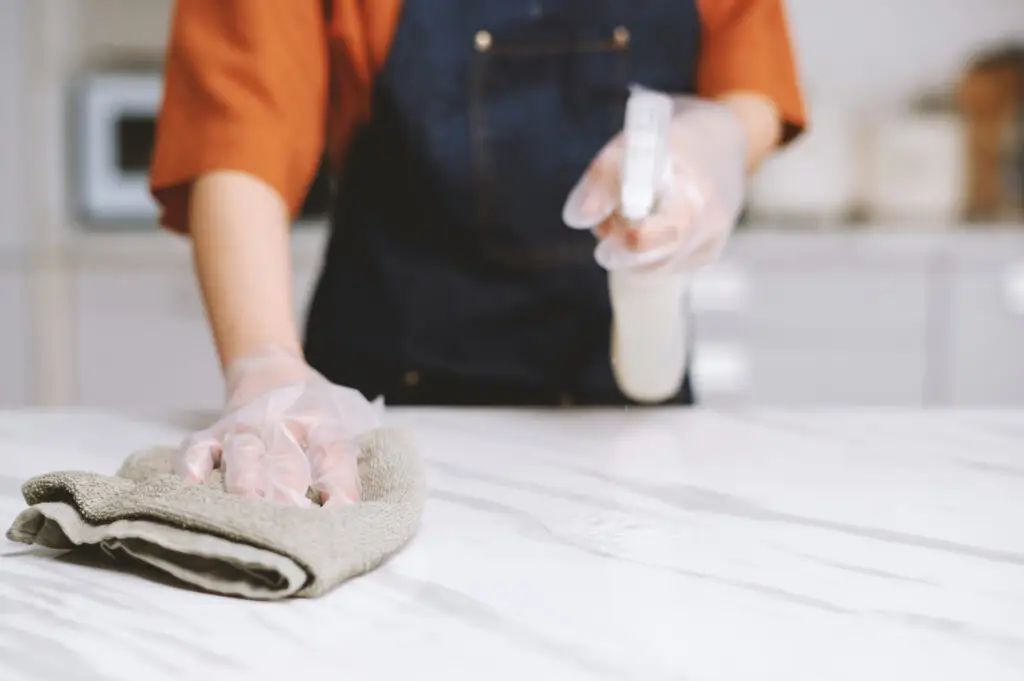
Marble table tops are a luxurious addition to any home, known for their distinctive veining and cool, elegant surface. This natural stone elevates the aesthetic of dining rooms, living areas, and kitchens, providing a touch of sophistication that is hard to replicate. However, marble’s unique composition means it requires a specific, gentle approach to cleaning and maintenance. Understanding how to properly care for your marble ensures its beauty endures for generations, protecting it from common issues like etching and staining while preserving its natural luster.
Why marble requires gentle cleaning
Marble is a metamorphic rock formed from limestone, and its beauty comes with a particular set of vulnerabilities that demand specialized care.
- Porous Nature: Unlike highly dense granite, marble is a relatively soft and porous stone. This means it can easily absorb liquids, leading to deep stains if spills are not addressed quickly. Even sealed marble has microscopic pores that can trap contaminants.
- Acid Sensitivity (Etching): Marble is primarily composed of calcium carbonate, which reacts chemically with acids. Even mild acids found in everyday items like lemon juice, vinegar, wine, coffee, soda, and many common household cleaners can “etch” the surface. Etching isn’t a stain; it’s a corrosive reaction that dulls the polished finish, creating a noticeable light spot or rough patch.
- Scratch Prone: As a softer stone, marble is more susceptible to scratches than harder materials. Abrasive cleaners, rough sponges, or dragging objects across the surface can easily mar its smooth finish.
- Staining Vulnerability: Beyond etching, marble can be stained by oils, pigments from food, ink, and rust if not promptly cleaned or if the stone is unsealed or poorly sealed.
- Heat Impact: While generally durable, extreme heat can sometimes cause thermal shock or affect the sealant on marble, potentially leading to discoloration or damage.
Best daily cleaning methods for marble
Consistent, gentle daily care is paramount for maintaining the pristine condition of your marble table.
- Dust Regularly: Use a soft, clean, lint-free cloth or a microfiber cloth to dust your marble table daily. This prevents abrasive dust particles from building up and potentially scratching the surface during cleaning.
- Wipe Spills Immediately: This is the most crucial step in marble care. Any spill, especially those involving acidic liquids (juice, wine, soda, coffee), oils, or highly pigmented foods (berries, sauces), must be blotted immediately with a soft, clean cloth. Do not wipe or spread the spill, as this can push it deeper into the pores or spread potential etching agents.
- Gentle Damp Wipe: For daily cleaning of crumbs or general surface grime, lightly dampen a clean microfiber cloth with warm water. Wipe the table gently, then immediately follow with a separate, clean, dry microfiber cloth to ensure no moisture lingers.
- pH-Neutral Cleaner (Occasional): For slightly tougher grime, use a cleaning solution specifically formulated for natural stone, or make your own by mixing a few drops of mild, pH-neutral dish soap (like Dawn) with warm water. Lightly spray the solution onto a clean microfiber cloth (never directly onto the marble), wipe the surface, and immediately dry with another clean, dry cloth.
- Avoid Harsh Wiping: Always wipe with gentle, even strokes. Aggressive scrubbing can damage the finish, especially if there are abrasive particles on the surface.
How to remove stains and etching safely
Dealing with existing stains and etching requires specific, careful techniques. Always test in an inconspicuous area first.
- Oil-Based Stains (Grease, Cooking Oil, Cosmetics):
- Mix baking soda with a small amount of water or hydrogen peroxide to form a thick paste (the consistency of peanut butter).
- Apply the paste directly to the stain, covering it generously.
- Cover the paste with plastic wrap and tape the edges down to prevent it from drying out too quickly.
- Allow it to sit for 24-48 hours. The paste will draw the oil out of the marble.
- Remove the plastic wrap and let the paste dry completely, then gently scrape it off with a plastic scraper (e.g., an old credit card).
- Rinse with clean water and dry thoroughly. Repeat if necessary.
- Organic Stains (Coffee, Tea, Wine, Food, Urine):
- For fresh stains, use the baking soda paste method as above, but with hydrogen peroxide (for light marble) or household ammonia (for dark marble).
- For older stains, consult a professional.
- Water Spots/Mineral Deposits:
- Rub gently with a soft cloth dampened with distilled water.
- For stubborn spots, use a very fine-grit (0000) steel wool lightly on the spot, then buff with a soft cloth. Use extreme caution and only if comfortable; test first.
- Etch Marks (Dull Spots from Acids):
- Minor Etches: For very light etch marks on polished marble, you might try a marble polishing powder (available from stone care suppliers). Follow product instructions precisely. This typically involves dampening the area, sprinkling the powder, and buffing with a soft cloth or a special buffing pad.
- Deep Etches: Deeper etch marks often require professional re-polishing or honing. Attempting to fix severe etching yourself can worsen the damage.
- Rust Stains (Orange/Brown):
- These are challenging. Use a commercial rust remover specifically designed for marble. Never use off-the-shelf rust removers designed for metal, as they contain harsh acids that will severely etch the marble.
Products to use (and avoid) on marble surfaces
Choosing the right products is critical for protecting your marble table.
Use:
- pH-Neutral Stone Cleaners: Look for cleaners explicitly labeled for marble, granite, or natural stone. These are formulated to be gentle and non-acidic.
- Mild Dish Soap (pH-Neutral): Diluted with water, it’s a safe and effective option for general cleaning.
- Microfiber Cloths: Soft, absorbent, and non-abrasive, ideal for dusting, cleaning, and drying.
- Hydrogen Peroxide: Safe for light-colored marble to address organic stains when mixed with baking soda in a poultice.
- Household Ammonia: Safe for dark-colored marble to address organic stains when mixed with baking soda in a poultice (never mix with hydrogen peroxide or bleach).
- Stone Sealers: Essential for protecting porous marble from stains. Use a penetrating, impregnating sealer designed for natural stone.
- Marble Polishing Powder: For very minor etching and to restore shine, use as directed.
Avoid:
- Vinegar, Lemon Juice, Orange Cleaners: Highly acidic; will etch and dull marble.
- All-Purpose Cleaners (e.g., Windex, Lysol, Fantastik): Many contain acids or harsh chemicals unsuitable for natural stone.
- Bleach: Can discolor or damage marble, especially over time.
- Abrasive Cleaners (e.g., scouring powders, Comet, Ajax): Will scratch the surface of polished marble.
- Rough Sponges or Scrub Brushes: Can scratch the delicate surface.
- Heavy-Duty Degreasers: Often too strong and can strip sealants or damage the stone.
- Oil-Based Soaps (like Murphy Oil Soap): Can leave a film that attracts dirt or darken light marble.
- Hair Dyes, Nail Polish Remover (Acetone): Can cause severe staining or damage.
Tips for long-term care and sealing marble
Proactive measures and regular maintenance will preserve your marble’s beauty for decades.
- Seal Your Marble Regularly: This is perhaps the most important long-term care step. Marble should be sealed to fill its pores and prevent liquids from penetrating and staining.
- Frequency: The frequency of sealing depends on the type of marble and how heavily it’s used, but typically it should be done every 6-12 months.
- How to Test: Put a few drops of water on the surface. If the water beads up, the sealant is working. If it soaks into the stone within a few minutes, it’s time to reseal.
- Application: Purchase a high-quality penetrating stone sealer. Follow the product instructions precisely, applying it evenly and wiping off excess to avoid haze.
- Use Protection:
- Coasters and Placemats: Always use coasters under glasses and bottles, and placemats under plates.
- Trivets: Place trivets or hot pads under all hot dishes to prevent potential heat damage.
- Clean Up Immediately: Reinforce the habit of blotting spills the moment they occur. This single act is the most effective way to prevent permanent damage.
- Avoid Sliding Objects: Place felt pads under the feet of any decorative items, lamps, or serving dishes that sit on the table to prevent scratches when they are moved.
- Use Cutting Boards: Never cut food directly on a marble surface. The knives can scratch the marble, and acidic food juices can cause etching.
- Maintain Indoor Climate Control: Extreme fluctuations in temperature and humidity can, over many years, affect natural stone. Maintain a stable indoor environment.
- Consider Professional Maintenance: For deep cleaning, stain removal, re-honing etched surfaces, or re-polishing, consult a professional stone care specialist every few years. They have the expertise and specialized equipment to restore your marble without damage.
Caring for a marble table top is a commitment, but the reward is a stunning, durable surface that enhances your home’s elegance. By adhering to these gentle cleaning practices and proactive protection strategies, your marble will remain a cherished feature for many years to come.
Ready to ensure your beautiful marble (and the rest of your home!) receives the meticulous care it deserves? Contact Maid Cleaning For You today for a free estimate on our professional cleaning services, designed to protect your valuable surfaces and keep your home immaculate!