

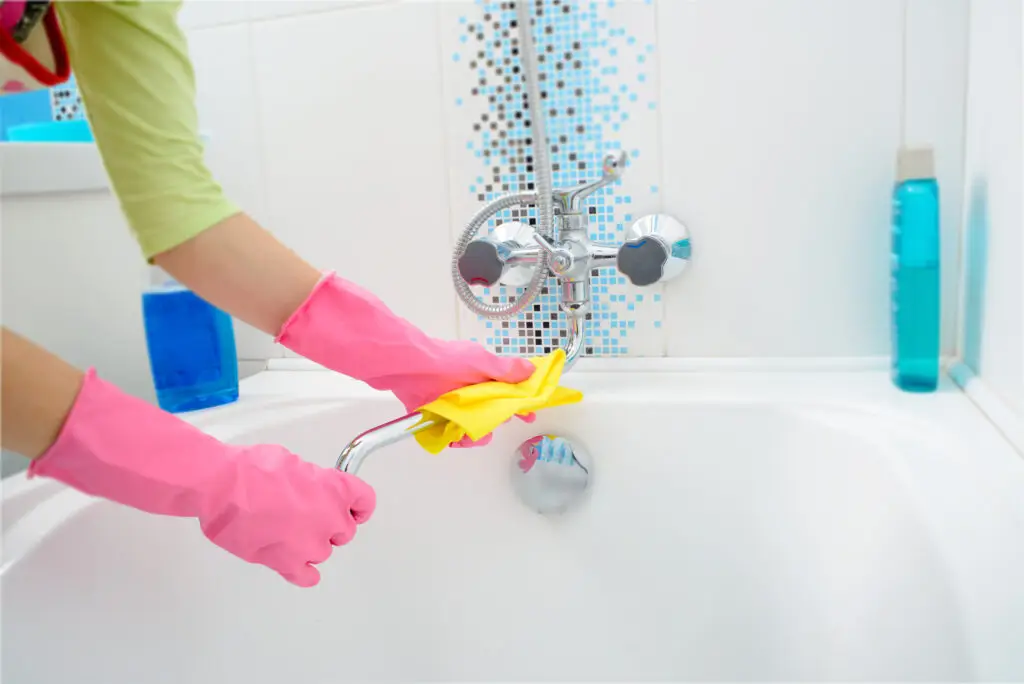
The bathtub, a place for relaxation and rejuvenation, can quickly become a breeding ground for soap scum, hard water stains, mildew, and grime. A cloudy, discolored tub is not only unappealing but also unhygienic. With countless products promising a sparkling finish, it’s natural to wonder: What is the best bathtub cleaner? The truth is, the “best” cleaner often depends on your bathtub’s surface material and the type of grime you’re battling. This guide will help you navigate safe and effective options for a consistently pristine tub.
Types of bathtub surfaces and compatible cleaners
Understanding your bathtub’s material is paramount, as using the wrong cleaner can cause irreparable damage.
- Acrylic: This is a common, lightweight plastic material.
- Compatible Cleaners: Generally safe with mild, non-abrasive cleaners. Dish soap and water, white vinegar, or specifically labeled acrylic tub cleaners are good choices.
- Avoid: Abrasive scrubbers (like steel wool or harsh brushes), highly acidic or alkaline cleaners, acetone, and abrasive powdered cleansers, as these can scratch, dull, or even melt the surface.
- Fiberglass: Similar to acrylic in appearance, but often less durable.
- Compatible Cleaners: Very similar to acrylic – stick to mild, non-abrasive liquid cleaners, dish soap, or vinegar solutions.
- Avoid: Harsh chemicals, abrasive pads, and powdered cleansers, which can scratch and compromise the gel-coat finish, making it porous and prone to staining.
- Porcelain or Enamel-Coated Cast Iron/Steel: These tubs are durable but their coating can chip or become dull.
- Compatible Cleaners: More tolerant than acrylic or fiberglass. Mild abrasive cleansers (like Bar Keepers Friend, used gently), baking soda paste, vinegar, or general bathroom cleaners are often safe.
- Caution: While generally tough, aggressive scrubbing with highly abrasive tools can still dull the finish over time. Avoid strong acids if you have older, potentially compromised enamel.
- Ceramic Tile and Grout (Surrounding Tub):
- Compatible Cleaners: Most bathroom cleaners, baking soda, vinegar, and specialized grout cleaners are safe.
- Caution: Bleach is effective for mold on grout but should be used sparingly and rinsed well. Avoid highly acidic cleaners on natural stone tiles (like marble or travertine) which can etch the surface.
- Natural Stone (Marble, Granite, Travertine): Less common for the tub itself, but often used for surrounds.
- Compatible Cleaners: Only use pH-neutral, stone-specific cleaners.
- Avoid: Absolutely no vinegar, lemon juice, bleach, abrasive cleaners, or standard bathroom cleaners, as these will etch and permanently damage the stone.
DIY vs. Store-bought cleaners
Both homemade and commercial options have their merits.
- DIY (Do-It-Yourself) Cleaners:
- Pros: Inexpensive, uses readily available household ingredients, often non-toxic and eco-friendly, customizable, and effective for most common bathtub issues.
- Cons: May require more “elbow grease” and dwell time for heavy buildup. Results can vary.
- Common DIY Solutions:
- White Vinegar: Great for hard water and soap scum.
- Baking Soda: A mild abrasive for scrubbing and deodorizing.
- Dish Soap: Excellent degreaser for body oils and soap scum.
- Hydrogen Peroxide: Good for mold and mildew.
- Store-Bought (Commercial) Cleaners:
- Pros: Formulated for specific problems (e.g., dedicated soap scum removers, mold killers, hard water stain removers). Often contain stronger active ingredients for faster results with less scrubbing. Convenient.
- Cons: Can be more expensive. Many contain harsh chemicals that require good ventilation and protective gear. May contain ingredients that are not safe for all tub surfaces.
- Types: Sprays, gels, foams, and powdered cleansers.
Top-rated bathtub cleaning products in 2025
While product availability and specific formulations can change, some brands consistently receive high marks for their effectiveness:
- For Soap Scum & Hard Water:
- Method Bathroom Cleaner: Often lauded for its plant-based formula and effectiveness on soap scum.
- Scrubbing Bubbles Bathroom Grime Fighter: A popular aerosol foam that tackles soap scum and mildew with less scrubbing.
- CLR Bathroom & Kitchen Cleaner: Specifically designed for calcium, lime, and rust, making it excellent for hard water stains.
- The Pink Stuff Multi-Purpose Cleaner: A paste that’s gained popularity for its ability to tackle tough stains with a gentle abrasive.
- For Mildew & Mold:
- Clorox Bathroom Cleaner with Bleach: Effective for bleaching away mold and mildew.
- Mold Armor FG500 Instant Mold & Mildew Stain Remover: A powerful spray for rapid mold removal.
- All-Purpose & Gentle:
- Seventh Generation Bathroom Cleaner: A popular choice for eco-conscious consumers looking for an effective, plant-derived option.
- Mr. Clean Clean Freak Mist: A versatile spray for quick daily or weekly cleanups.
- Bar Keepers Friend Cleanser & Polish: Excellent for porcelain/enamel and rust stains, but use gently on other surfaces.
Always read product labels carefully and confirm compatibility with your specific bathtub surface before use.
How to remove soap scum, mildew, and stains
Here’s how to tackle common bathtub culprits:
1. For soap scum & mild hard water stains (vinegar & dish soap method – safe for most tubs):
- Mix Solution: In a spray bottle, combine equal parts warm white vinegar and mild liquid dish soap (e.g., Dawn). Shake gently.
- Apply: Spray the solution generously over the entire tub surface, focusing on areas with heavy build-up.
- Dwell Time: Let it sit for at least 15-30 minutes, or longer for very tough stains (up to a few hours). The vinegar’s acid and soap’s degreasing action work together.
- Scrub: Use a non-scratch sponge or soft-bristled brush to scrub away the loosened grime.
- Rinse: Rinse thoroughly with warm water.
- Dry: Wipe dry with a clean microfiber cloth to prevent water spots.
2. For heavy hard water & mineral deposits (baking soda & vinegar for extra scrubbing power):
- Rinse: Briefly rinse the tub with water.
- Sprinkle: Liberally sprinkle baking soda over the wet surface, especially on affected areas.
- Spray Vinegar: Lightly mist the baking soda with white vinegar. It will fizz.
- Scrub: Let it sit for 10-15 minutes, then use a non-scratch sponge or brush to scrub. The baking soda provides gentle abrasive action.
- Rinse & Dry: Rinse thoroughly and dry.
3. For mold & mildew (hydrogen peroxide or bleach – use with ventilation!):
- Ventilate: Ensure the bathroom is well-ventilated (open window, run fan). Wear gloves.
- Apply: Spray 3% hydrogen peroxide directly onto mold/mildew spots. Let it sit for 10-15 minutes. Alternatively, for stubborn black mold on grout, use a diluted bleach solution (1 part bleach to 10 parts water) or a bleach-based cleaner, applying with a cloth or spray.
- Scrub: Use a stiff brush (like a grout brush or old toothbrush) to scrub the affected areas.
- Rinse & Dry: Rinse thoroughly with plenty of water. Dry the surface to prevent recurrence. Never mix bleach with vinegar or ammonia-based cleaners.
Non-toxic and eco-friendly bathtub cleaners
For those prioritizing health and environmental safety, many excellent non-toxic options are available:
- DIY Solutions: White vinegar, baking soda, lemon juice, and castile soap are your go-to non-toxic cleaners.
- Brand Names: Look for brands that are certified by organizations like the EPA’s Safer Choice program, or those emphasizing plant-based, biodegradable ingredients. Popular choices include:
- Seventh Generation Bathroom Cleaner: Plant-based, effective.
- Method Bathroom Cleaner: Biodegradable, non-toxic, and effective against soap scum.
- Ecover Bathroom Cleaner: Plant-derived, mineral-based ingredients.
- Mrs. Meyer’s Clean Day Tub and Tile Cleaner: Essential oil-based, pleasant scents.
These options clean effectively while reducing exposure to harsh chemicals and minimizing environmental impact.
Finding the “best” bathtub cleaner means finding the right match for your tub’s material and your cleaning challenges. By understanding the types of stains and cleaning agents, and following safe practices, you can keep your bathtub pristine and inviting. If maintaining that sparkle feels overwhelming, or you prefer to leave the thorough cleaning to the experts, Maid Cleaning For You offers professional bathroom cleaning services that ensure your tub, and your entire bathroom, is impeccably clean, sanitized, and ready for relaxation.
Ready for a truly sparkling and hygienic bathroom? Contact Maid Cleaning For You today for a consultation and let us transform your space!