

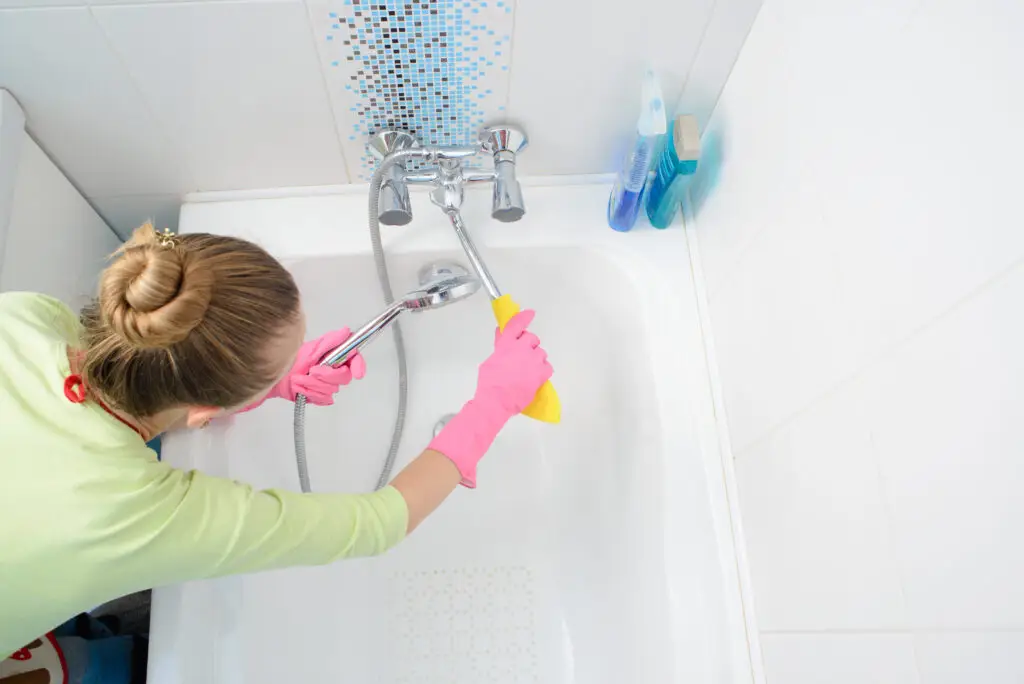
A slow-draining or clogged bathtub is a common household nuisance. Hair, soap scum, and grime can quickly accumulate, turning a relaxing soak into a frustrating experience. Your first instinct might be to reach for a bottle of chemical drain cleaner. But before you pour, it’s crucial to ask: Can I use drain cleaner in a bathtub? The answer is often “yes,” but with significant caveats. Understanding the different types of cleaners, their effects on your plumbing, and safer alternatives is key to solving your clog without creating bigger problems.
Types of drain cleaners and their effects
Drain cleaners typically fall into a few main categories, each with a different chemical action and potential side effects:
- Caustic Drain Cleaners (e.g., Lye, Caustic Potash):
- How they work: These are highly alkaline substances that generate heat and dissolve organic matter (like hair and grease) through a saponification process (turning fats into soap).
- Effects: Very effective on organic clogs. However, the heat generated can damage PVC pipes, weaken older metal pipes, and even crack porcelain if left stagnant. They are extremely corrosive and dangerous to skin and eyes.
- Oxidizing Drain Cleaners (e.g., Bleach, Peroxides, Nitrates):
- How they work: These products cause organic material to oxidize and break down. They also generate heat.
- Effects: Similar to caustic cleaners in their ability to dissolve organic clogs and potential for heat damage to pipes. Also highly corrosive.
- Acidic Drain Cleaners (e.g., Sulfuric Acid, Hydrochloric Acid):
- How they work: These are powerful acids that dissolve organic materials by chemical reaction. They are typically sold to professionals, not widely available to consumers.
- Effects: Extremely corrosive and dangerous. Can cause significant damage to pipes, fixtures, and skin. Never mix with other chemicals.
- Enzyme/Bacterial Drain Cleaners:
- How they work: These are non-chemical. They contain dormant bacteria or enzymes that, when activated by water, “eat” away at organic matter like hair, grease, and food particles.
- Effects: Much slower-acting than chemical cleaners (often take hours or overnight). They are not effective on severe, immediate clogs, but are excellent for slow drains and preventing clogs by maintaining clear pipes. They are safe for all types of pipes and the environment.
Is it safe for bathtub pipes and finishes?
The safety of using drain cleaner in your bathtub depends heavily on the type of cleaner and your plumbing system.
- PVC Pipes (Common in Modern Homes):
- Risk: Caustic and oxidizing chemical drain cleaners can generate significant heat. While PVC can withstand some heat, repeated use or prolonged contact with highly reactive cleaners can soften, warp, or even melt PVC pipes, leading to leaks or bursts. This risk is higher with older or lower-quality PVC.
- Metal Pipes (Older Homes – Copper, Galvanized Steel, Cast Iron):
- Risk: Chemical drain cleaners, particularly acidic ones, can corrode and weaken metal pipes over time. They can also react with the inner lining of older galvanized steel pipes, causing them to flake and contribute to new clogs.
- Bathtub Finishes:
- Risk: Chemical drain cleaners, if splashed or left on the tub surface, can stain, etch, or discolor certain finishes like acrylic, fiberglass, and even older porcelain or enamel. Always rinse away any splashes immediately.
- Overall Recommendation: While many chemical drain cleaners claim to be “safe for pipes,” regular or excessive use is generally not recommended for any type of plumbing. The risks of damage, even minor, accumulate over time.
When to use chemical vs. Enzyme-based cleaners
Choosing between chemical and enzyme-based cleaners depends on the nature of your clog and your priorities.
- When to Use Chemical Drain Cleaners (with extreme caution and sparingly):
- For a sudden, stubborn, immediate clog: If you have a full blockage and need a quick, aggressive solution and other methods have failed.
- As a last resort before calling a plumber: If you’re attempting a DIY fix before resorting to professional help.
- Use the mildest chemical cleaner available for bathtubs and always follow the directions exactly. Do not leave it in longer than recommended.
- When to Use Enzyme/Bacterial Drain Cleaners:
- For slow drains: Excellent for drains that are slowly getting worse, as they work to dissolve buildup over time.
- For preventative maintenance: Ideal for regular use (e.g., monthly) to keep pipes clear and prevent clogs from forming.
- If you have an older plumbing system or septic tank: These are much safer for older pipes and will not harm the beneficial bacteria in septic systems.
- If you prioritize safety and environmental impact: They are non-corrosive and generally safer for your home and the environment.
Safer alternatives for mild clogs
Before reaching for any type of drain cleaner, try these safer and often effective alternatives for mild bathtub clogs:
- Boiling Water: For soap scum and grease, carefully pour a kettle of boiling water down the drain. This can dissolve soft clogs. (Avoid on certain PVC pipes if you’re unsure about their heat tolerance).
- Baking Soda and Vinegar:
- Pour 1/2 cup of baking soda down the drain.
- Follow with 1 cup of white vinegar.
- The mixture will fizz and bubble (a chemical reaction, not dissolving the clog).
- Cover the drain with a stopper for 30 minutes to an hour (or even overnight).
- Flush with hot water (or boiling water if safe for your pipes). This method is good for dissolving minor grease and soap scum.
- Plunger: A simple rubber plunger is surprisingly effective for most hair and soap clogs. Ensure there’s enough water in the tub to cover the plunger’s cup, create a tight seal, and plunge vigorously.
- Drain Snake/Hair Clog Tool: A cheap, flexible plastic drain snake (often barbed) can be inserted into the drain to manually pull out hair and gunk. This is highly effective for hair clogs and removes the obstruction physically.
- Manual Removal: With gloves on, you can often remove the stopper and reach down to pull out visible hair clogs if they are near the surface.
When to call a plumber instead
While DIY methods are great for minor clogs, there are clear signs that it’s time to call a professional plumber.
- Persistent Clogs: If your drain remains stubbornly clogged after trying several DIY methods, it indicates a deeper or more complex blockage that needs professional attention.
- Multiple Clogged Drains: If more than one drain in your home is clogged (e.g., toilet, sink, and bathtub), it often points to a main line blockage that requires specialized equipment to clear.
- Slow Drains Despite Efforts: If all your drains are generally slow, it could be a sign of widespread buildup or a partial blockage in your main sewer line.
- Gurgling Sounds/Foul Odors: These can indicate trapped air and waste in the pipes, suggesting a significant blockage.
- Water Backing Up: If water backs up into other fixtures when you use the toilet or sink, it’s a strong sign of a main line issue.
- Any Suspected Pipe Damage: If you’ve used chemical cleaners and suspect they’ve caused damage, or if you notice leaks, rust, or weak spots in your pipes.
- Dealing with Harsh Chemicals: If you’ve poured a chemical drain cleaner down the drain and it hasn’t worked, do not pour more. Call a plumber and inform them of the chemicals used so they can take appropriate safety precautions.
While a chemical drain cleaner might seem like a quick fix, it’s a potent solution that carries risks for your plumbing system and your safety. For most bathtub clogs, safer, more environmentally friendly alternatives are often just as effective. Prioritize prevention and gentle methods, and don’t hesitate to call a professional plumber when the clog is beyond your DIY capabilities. Your pipes (and your wallet) will thank you.