

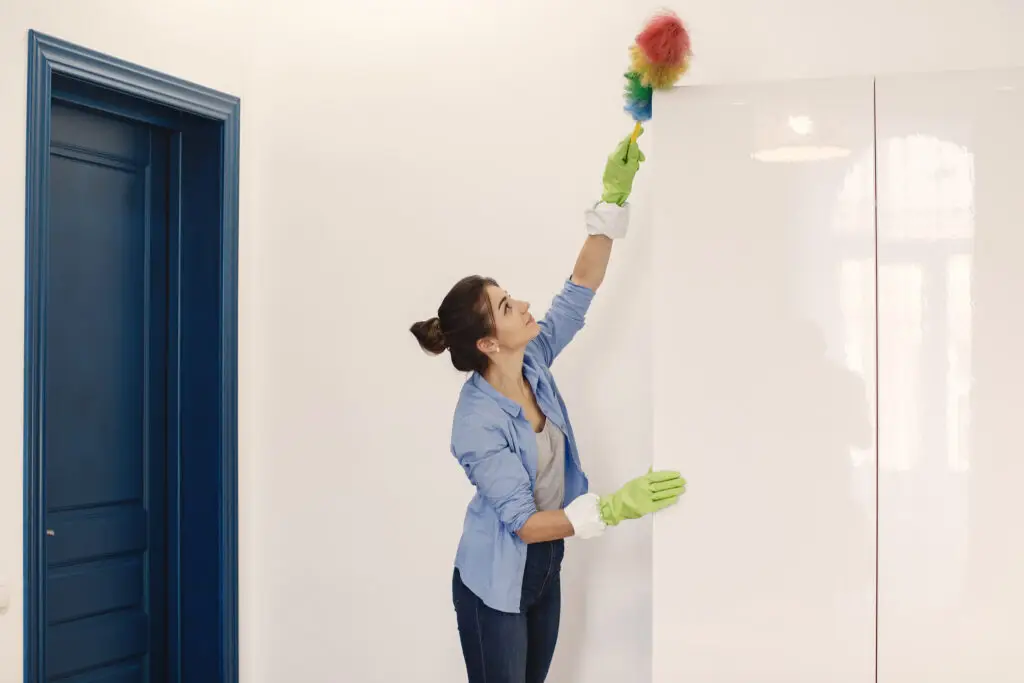
Popcorn ceilings, while once a popular feature for their sound-dampening properties and ability to conceal imperfections, are notorious for attracting and holding onto dust, cobwebs, and even stains. Their textured surface makes cleaning a delicate operation, as aggressive methods can easily damage the finish. However, learning how to clean a popcorn ceiling effectively is crucial for improving indoor air quality and restoring your home’s appearance. With the right approach, you can achieve a dust-free and stain-free ceiling without causing damage.
Identifying surface vs. Stain cleaning needs
Before you begin, assess the condition of your popcorn ceiling to determine the best cleaning strategy.
- Surface Dust and Cobwebs: This is the most common issue. You’ll see a fine layer of gray dust, lint, and spiderwebs clinging to the texture. These generally require a gentle, dry cleaning method.
- Stains: These are more localized and can be caused by various factors:
- Water Stains: Often appear as yellow, brown, or light gray rings, indicating a past or current leak. These are more challenging and may require targeted stain removal.
- Grease/Cooking Stains: Common in kitchen areas, appearing as yellowish or brownish greasy spots.
- Smoke Stains: If there’s been smoking in the house, ceilings can develop a pervasive yellow or brown discoloration.
- Impact Marks/Scuffs: Dark marks from objects brushing against the ceiling.
Identifying the type of contamination will guide your choice of cleaning tools and solutions.
Gentle cleaning methods and tools
For general dust and cobweb removal, gentle, dry methods are paramount to avoid damaging the fragile texture.
Preparation first:
- Protect Your Space: Move all furniture out of the room or push it to the center and cover it completely with drop cloths, old sheets, or plastic sheeting. Cover floors as well.
- Ensure Safety: Use a sturdy step ladder or a stable platform that allows you to comfortably reach the entire ceiling. Do not overreach or use unstable seating.
- Personal Protection: Wear a good quality dust mask (N95 or similar) to avoid inhaling dust particles. Eye protection (safety goggles) and a head covering are also highly recommended.
Dry cleaning techniques:
- Feather Duster or Microfiber Duster with Extendable Handle: For light dust and cobwebs, a soft, fluffy feather duster or an electrostatic microfiber duster is ideal. Gently glide the duster across the ceiling surface in short, overlapping strokes. The goal is to lift and capture the dust, not to scrub or press into the texture. Periodically shake the duster outside or into a trash bag.
- Vacuum Cleaner with Soft Brush Attachment: This is often the most effective method for more significant dust buildup. Use a vacuum with a long hose and a soft, non-scratching brush attachment. Hold the attachment just above the ceiling surface, allowing the suction to pull the dust away without the bristles aggressively rubbing the delicate texture. Move slowly and carefully, observing for any loose material. If the texture starts to detach, ease up on the suction or try an alternative method.
Removing stains or spot treatments
Stain removal on popcorn ceilings is a delicate operation and should be approached with extreme caution, as moisture can easily damage the texture.
- Test in an Inconspicuous Area: Before applying any solution to a visible stain, always test it in a hidden spot (e.g., inside a closet, behind a large piece of furniture, or a small corner).
- Water Stains (Often from Leaks):
- Address the Source: First and foremost, fix any water leaks (e.g., roof, plumbing) before attempting to clean the stain. Cleaning without addressing the leak is futile.
- Bleach Solution (for mildew/mild stains): For light, non-greasy water stains, a very diluted bleach solution (1 part bleach to 10 parts water) can be carefully used.
- Spray the solution onto a clean, white cloth, not directly onto the ceiling.
- Gently blot the stained area with the damp cloth. Do not rub.
- Immediately blot dry with a clean, dry cloth. Repeat very sparingly if needed.
- Primer/Paint: For stubborn water stains (especially if they’ve dried and permeated), the most effective solution is often to apply a stain-blocking primer (like Kilz or Zinsser BIN) directly to the stain, then touch up with ceiling paint matched to your popcorn ceiling color. This requires an understanding of how to apply paint to textured ceilings without flattening the texture.
- Grease/Cooking Stains & Minor Scuffs:
- Mild Detergent Solution: Mix a few drops of mild dish soap (degreaser) with warm water in a spray bottle.
- Apply and Blot: Spray the solution onto a clean, white microfiber cloth (not the ceiling). Gently blot the stained area.
- Rinse and Dry: Follow immediately by blotting with a clean cloth dampened with plain water, then blot dry with a clean, dry cloth.
- Magic Eraser (Extreme Caution): A damp Mr. Clean Magic Eraser can sometimes lift minor scuffs or very light surface stains. However, it is an abrasive, so use extremely gently, with very light pressure, and always test first. It can remove texture if used too aggressively.
- Important Stain Removal Don’ts:
- Don’t Oversaturate: Never spray liquids directly onto the ceiling or use overly wet cloths, as this will cause the texture to soften, sag, or detach.
- Don’t Scrub: Rubbing will almost certainly damage the popcorn texture, creating bald spots.
- Don’t Use Harsh Chemicals: Avoid strong solvents, abrasive cleaners, or stiff brushes.
Precautions for asbestos or lead (if applicable)
This is a critical safety consideration for older homes.
- Asbestos (Homes Built Before Late 1980s): Popcorn ceilings installed before the late 1980s often contain asbestos, a hazardous material if disturbed.
- DO NOT DISTURB: If your home was built during this period, do NOT attempt to clean, scrape, or perform any abrasive work on the ceiling until it has been tested for asbestos by a certified professional.
- Professional Abatement: If asbestos is confirmed, any work that would disturb the ceiling (beyond very gentle dusting) must be handled by a licensed asbestos abatement specialist.
- Lead-Based Paint (Homes Built Before 1978): While less common on ceilings than walls, popcorn ceilings in homes built before 1978 could also have lead-based paint underneath the texture. Disturbing this can release lead dust.
- If you suspect lead paint, take similar precautions or consult a lead-safe certified professional.
When in doubt about the age or materials of your ceiling, err on the side of caution and consult with a professional.
When to get professional help
While basic dusting can be a DIY task, there are many scenarios where hiring a professional is the safest and most effective solution.
- Extensive or Deep-Seated Stains: Large water stains, pervasive grease, or smoke damage are usually beyond the scope of DIY spot treatment without damaging the ceiling.
- Mold Growth: If you see or suspect mold on your popcorn ceiling, a professional mold remediation service is required. Improper DIY cleaning can spread mold spores and worsen the problem.
- Asbestos or Lead Concerns: If your ceiling contains asbestos or lead-based paint, a specialized professional is essential for safe handling.
- Accessibility Issues: If the ceiling is very high, or you don’t have safe, stable equipment, hiring professionals who are equipped for working at heights is paramount for safety.
- Widespread Deterioration: If the popcorn texture is already fragile, flaking easily, or showing signs of widespread detachment, it might be too delicate for DIY cleaning and could require professional repair or removal.
- Prefer a Pristine Finish: For guaranteed results and to avoid any risk of damage, a professional cleaning service with experience in delicate surfaces like popcorn ceilings can ensure a thorough, streak-free, and damage-free clean.
Cleaning a popcorn ceiling requires patience and a delicate hand, but it’s a vital task for a truly clean home. By using the appropriate dry cleaning methods and exercising extreme caution with any wet treatments, you can maintain its appearance. For peace of mind, especially with older ceilings or challenging stains, remember that Maid Cleaning For You offers expert cleaning services, ensuring every part of your home, even those delicate popcorn ceilings, sparkles with cleanliness.
Ready for a truly dust-free and clean home? Contact Maid Cleaning For You today for a consultation!