

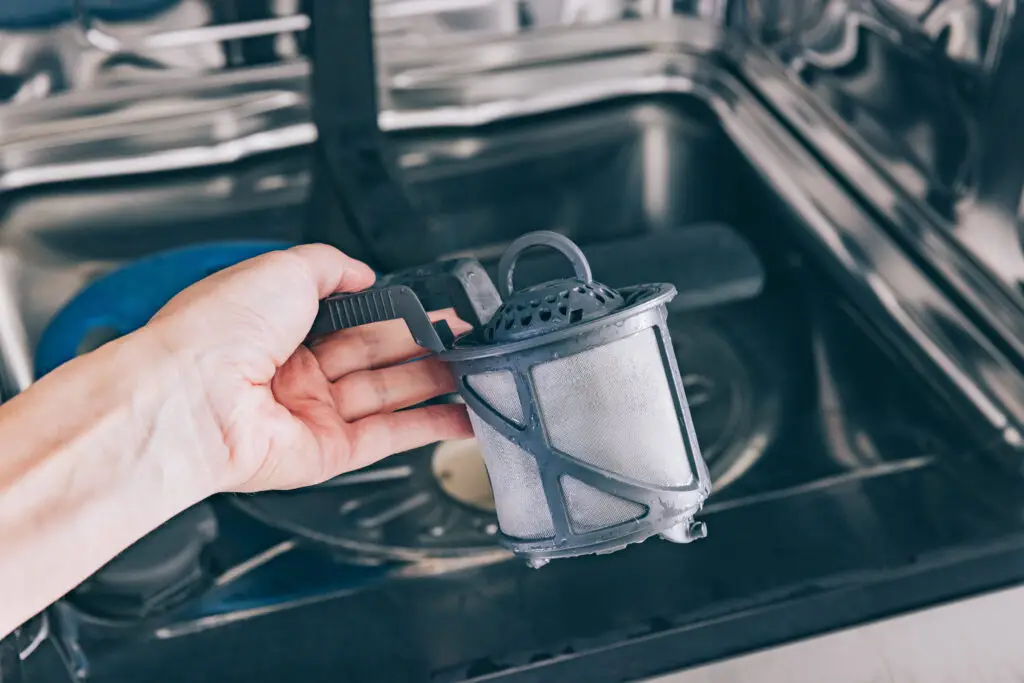
Your dishwasher is a workhorse, making daily life easier by tackling dirty dishes. But if your “clean” dishes are coming out with tiny food particles, a cloudy film, or if your dishwasher emits an unpleasant odor, the culprit is often a clogged or dirty filter. The dishwasher filter is designed to trap food scraps and debris, preventing them from recirculating onto your dishes or clogging the drain pump. Learning how to clean your dishwasher filter for better performance is a simple, quick task that can dramatically improve your dishes’ cleanliness, extend your appliance’s lifespan, and eliminate unwanted smells.
Why the dishwasher filter needs regular cleaning
Many people mistakenly believe that because a dishwasher uses soap and hot water, it cleans itself. However, that’s not entirely true, especially when it comes to the filter:
- Traps Food Debris: The filter’s primary job is to catch all those food bits that come off your plates – from rice grains and vegetable scraps to tiny bone fragments.
- Prevents Recirculation: Without a clean filter, this debris would simply recirculate with the wash water, redepositing onto your “clean” dishes, leaving them gritty or spotted.
- Maintains Water Pressure: A clear filter allows water to flow freely to the spray arms, ensuring consistent and powerful water pressure for effective cleaning.
- Eliminates Odors: Trapped food particles decompose over time, creating foul, stagnant smells that can transfer to your dishes and fill your kitchen.
- Protects the Pump: A clogged filter puts strain on the dishwasher’s pump, potentially leading to costly repairs down the line.
- Ensures Dish Sparkle: A clean filter means truly clean water for the wash and rinse cycles, resulting in spotless, streak-free dishes.
Locating the filter: Step-by-step
Dishwasher filter designs can vary slightly by brand and model, but they are almost always located at the bottom of the dishwasher tub.
- Empty the Dishwasher: Ensure the dishwasher is completely empty of dishes and racks.
- Locate the Filter Assembly: Open the dishwasher door and look down at the bottom of the tub. You’ll typically see one of two main filter types:
- Cylindrical Filter: This is the most common. It looks like a small cylinder or cup with a mesh screen, often with a handle or an arrow indicating “lock” or “unlock.” It might be next to or inside a larger, flat filter screen.
- Flat Filter: Some models have a flat, perforated screen that covers a larger portion of the bottom of the tub. There might be a smaller, fine-mesh filter integrated within it or underneath it.
- Remove the Filter:
- For Cylindrical Filters: Gently twist the cylinder counter-clockwise until it unlocks, then lift it straight up to remove. There may be a second, flat screen filter underneath that also needs to be removed.
- For Flat Filters: You might need to unclip or unscrew a cover to access the flat filter underneath. Consult your dishwasher’s owner’s manual if you’re unsure how to remove it without forcing.
- Observe for Debris: You’ll likely see a collection of food scraps, grease, and other debris clinging to the filter.
Proper filter cleaning methods
Once you’ve removed the filter, cleaning it is usually quick and straightforward.
- Rinse Under Running Water: Take the filter components (the cylindrical part and any flat screens) to your sink. Hold them under a strong stream of hot running water.
- Scrub with a Brush: Use an old toothbrush, a soft-bristled scrub brush, or a sponge to gently scrub away any trapped food particles, grease, and slime. A little dish soap can help break down stubborn grease.
- Focus on Mesh and Crevices: Pay close attention to the fine mesh screens and any small crevices, as debris loves to hide there. Ensure all perforations are clear.
- Rinse Thoroughly: Rinse all filter components thoroughly to remove any soap residue and ensure they are sparkling clean.
- Inspect: Hold the filter up to the light to ensure all the holes are clear and there’s no remaining debris.
- Reinstall: Carefully place the filter components back into their correct positions in the dishwasher. For cylindrical filters, twist clockwise until it locks securely into place. Ensure it’s fully seated to prevent debris from bypassing it.
When to replace the filter
While regular cleaning can extend a filter’s life, it won’t last forever.
- Damage: If you notice any tears, holes, or cracks in the mesh screen, the filter is no longer effectively trapping debris and should be replaced.
- Wear and Tear: Over many years of use and cleaning, the plastic components of the filter can become brittle or deformed, preventing it from seating properly.
- Persistent Odors/Poor Performance: If you’re cleaning your filter regularly but still experiencing odors or poor wash results, it might be a sign the filter’s integrity is compromised, or there’s a deeper issue that needs professional assessment.
- Availability: Replacement filters are typically available through appliance parts stores or directly from the dishwasher manufacturer’s website.
Maintenance tips to avoid odors and blockages
Beyond cleaning the filter, a few simple habits can help prevent future buildup and keep your dishwasher running smoothly.
- Scrape, Don’t Pre-Rinse (Usually): Most modern dishwashers are designed to handle unrinsed plates, as long as large food scraps are scraped off into the trash. Excessive pre-rinsing can actually lead to detergent residue buildup in the dishwasher, as the detergent needs some food “dirt” to cling to and work effectively.
- Run Hot Water Before Starting: Before starting a cycle, run the kitchen faucet until the water is hot. This ensures the dishwasher fills with hot water from the start, which helps dissolve grease and activate detergent.
- Use the Right Detergent: Ensure you’re using a high-quality dishwasher detergent, and use the correct amount. Too much can cause residue, too little can lead to ineffective cleaning.
- Use Rinse Aid: Rinse aid is highly recommended, especially in hard water areas. It helps water sheet off dishes and prevents spots and streaks, while also assisting in keeping the dishwasher interior cleaner.
- Leave the Door Ajar: After a cycle finishes, leave the dishwasher door slightly ajar for a while. This allows steam and moisture to escape, helping the interior dry and preventing the growth of mold and mildew.
- Regular Full Appliance Cleaning: Beyond the filter, aim to run an empty dishwasher cycle with white vinegar or a dedicated dishwasher cleaner (like those mentioned in the previous article) once a month to break down grease and mineral buildup in the spray arms, pump, and tub.
A clean dishwasher filter is a cornerstone of a truly effective and hygienic dishwashing routine. By incorporating this quick cleaning task into your regular home maintenance, you’ll ensure your dishes emerge spotless, your kitchen remains odor-free, and your appliance enjoys a longer, more efficient life. If you find yourself overwhelmed by home cleaning tasks or prefer to leave the detailed work to the professionals, Maid Cleaning For You is always ready to assist! Our expert cleaners ensure every part of your home, including those hard-working appliances, sparkles with cleanliness.
Ready for a spotless home from top to bottom? Contact Maid Cleaning For You today for a consultation and let us handle all your cleaning needs!