

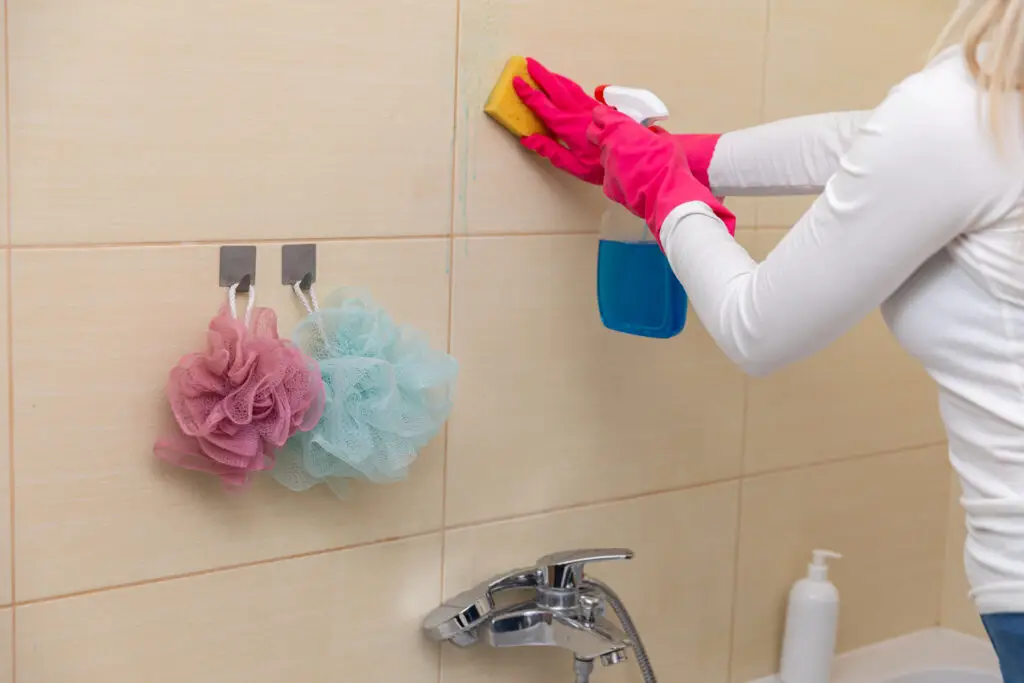
How often should a bathroom be cleaned? Most bathrooms need small daily habits, a full weekly cleaning, and a deeper monthly check to prevent odors, soap scum, stains, moisture problems, and buildup.
The exact frequency depends on how many people use the bathroom, how much ventilation it has, and how quickly grime returns. A guest bathroom used once in a while does not need the same routine as a shared family bathroom used several times a day.
How often should a bathroom be cleaned? A simple answer
A bathroom should usually be cleaned once a week, with quick daily maintenance for sinks, towels, wet surfaces, and clutter. High-use bathrooms may need light cleaning every day and a full cleaning once or twice a week.
As a simple rule:
- Daily: wipe sinks, dry wet areas, hang towels, clear counters, and run the fan
- Weekly: clean the toilet, shower, tub, sink, mirror, counters, floors, and high-touch areas
- Monthly: check grout, caulk, vents, drains, cabinets, bath mats, and shower liners
- Seasonally: deep clean corners, grout, fixtures, storage areas, and hard water buildup
This routine keeps the bathroom easier to maintain and helps prevent small issues from becoming harder cleaning problems.
Why bathroom cleaning frequency matters
Bathroom cleaning frequency matters because bathrooms collect moisture, residue, and germs quickly. Every shower adds humidity. Every sink use leaves water spots, toothpaste, soap, hair, or product residue. Toilets and floors also need consistent attention because they affect odor and hygiene.
If a bathroom is cleaned too rarely, buildup becomes harder to remove. Soap scum can stick to shower walls. Mineral deposits can cloud glass. Grout can darken. Towels and bath mats can hold odors. The room may still smell unpleasant even after a quick wipe.
Regular cleaning also protects the surfaces in the bathroom. Fixtures, grout, caulk, glass, tile, and flooring last longer when residue and moisture are controlled.
The goal is not to overclean. The goal is to clean often enough that the bathroom stays fresh, safe, and manageable.
Daily bathroom cleaning tasks
Daily bathroom cleaning should be simple. These tasks are not meant to replace weekly cleaning. They help prevent mess from building up.
A few minutes each day can make the weekly cleaning much easier.
Wipe the sink and counter
The sink area collects toothpaste, soap, makeup, shaving residue, hair, and water spots. Wiping it daily helps prevent sticky buildup around the faucet and drain.
Focus on:
- Faucet handles
- Sink bowl
- Countertop
- Backsplash
- Area behind the faucet
- Visible toothpaste or soap marks
This is one of the easiest habits to keep because it takes little time and has a visible result.
Dry wet shower areas
Standing water leads to water spots, soap residue, and moisture problems. After a shower, dry the areas where water sits the longest.
Pay attention to:
- Shower glass
- Shower door tracks
- Tub edges
- Shower corners
- Tile ledges
- Faucet bases
A squeegee or dry towel can help reduce buildup. This is especially helpful in bathrooms with glass shower doors or poor ventilation.
Hang towels properly
Damp towels can create musty odors. Towels should be spread out so they dry fully between uses.
Avoid leaving wet towels on the floor, over the tub edge, or in a pile. Bath mats should also be hung or dried when they feel damp.
Run the bathroom fan
Ventilation is part of bathroom cleaning. Run the exhaust fan during showers and leave it on afterward so moisture can leave the room.
If the bathroom has no fan, open the door or a window when possible. The EPA explains that moisture control helps reduce mold risk inside the home, so keeping bathroom surfaces dry is an important preventive habit: EPA guide to mold, moisture and your home.
Weekly bathroom cleaning tasks
Most bathrooms need a full cleaning at least once a week. This is the main routine that keeps the room sanitary, fresh, and easier to maintain.
A weekly bathroom cleaning should include the toilet, shower, tub, sink, mirror, counters, floors, and high-touch surfaces.
Clean the toilet fully
The toilet should be cleaned at least once a week, and more often in shared bathrooms. Do not clean only the bowl.
A complete toilet cleaning includes:
- Bowl and under-rim area
- Seat and lid
- Flush handle
- Tank exterior
- Toilet base
- Hinges
- Floor around the toilet
The base and nearby floor are often missed. In real homes, this area can hold dust, hair, residue, and odor. Cleaning it weekly helps prevent smells that return quickly.
Scrub the shower and tub
Showers and tubs should usually be cleaned weekly. They collect soap, shampoo, conditioner, body oils, minerals, and moisture.
For weekly cleaning:
- Rinse the surface first
- Use a cleaner that is safe for the material
- Scrub corners and ledges
- Clean the drain area
- Pay attention to grout lines
- Rinse well
- Dry glass or smooth surfaces when possible
If the shower is used by several people every day, it may need light cleaning more than once a week.
Clean mirrors and counters
Mirrors, counters, and vanities affect how clean the bathroom feels. Fingerprints, water spots, toothpaste, dust, and product residue can make the room look dirty even when the floor is clean.
Move personal items before wiping the counter. Cleaning around bottles and brushes leaves residue behind.
Mop the floor
Bathroom floors should be swept or vacuumed before mopping. Hair, towel lint, dust, and product residue can collect quickly.
Pay attention to:
- Corners
- Behind the door
- Around the toilet
- Near the shower or tub
- Under the vanity edge
If the floor feels sticky after mopping, you may be using too much cleaner or not rinsing properly.
Monthly bathroom cleaning tasks
Monthly cleaning is not the same as deep cleaning the whole bathroom. It is a checkup that helps prevent damage, odors, and stubborn buildup.
These tasks help catch problems early.
Check grout and caulk
Grout and caulk protect areas where water can enter seams and edges. Once a month, inspect them for cracks, gaps, dark marks, or peeling.
Look for:
- Cracked caulk
- Loose grout
- Dark grout lines
- Soft caulk
- Moisture that does not dry
- Recurring mildew-like stains
Cleaning can improve the surface, but it cannot repair damaged caulk or grout. If water is getting behind the surface, repair may be needed.
Clean vents and fan covers
Dust on the fan cover can reduce airflow. If the fan does not move air well, the bathroom stays damp longer.
Wipe or vacuum the vent cover monthly. If the fan is noisy, weak, or not working, it may need repair.
Wash bath mats and liners
Bath mats hold moisture and collect dust, hair, and skin residue. Wash them regularly, and more often if they smell musty.
Shower curtain liners should also be checked monthly. If a liner has stains or odors that do not improve with washing, it may need replacement.
Inspect drains
Slow drains are a sign that hair, soap, and product residue may be building up.
Watch for:
- Standing water in the shower
- Slow sink drainage
- Drain odors
- Gurgling sounds
- Frequent clogs
Remove visible hair from drain covers. Avoid mixing drain chemicals. If drain issues keep returning, a plumber may be needed.
How bathroom use changes cleaning frequency
Not every bathroom needs the same schedule. The right answer depends on how the bathroom is used.
Shared family bathrooms
A shared family bathroom should usually be cleaned at least once a week, with daily attention to sinks, towels, toilets, and wet areas.
If children use the bathroom, the toilet area, floor, sink, and counter may need more frequent cleaning. Toothpaste, spills, wet towels, and clutter can build up quickly.
Primary bathrooms
A primary bathroom used every day should receive daily maintenance and weekly cleaning. Showers, tubs, vanities, and toilet areas are the main priorities.
If two adults share the bathroom, the sink, mirror, and shower may need more frequent wiping.
Guest bathrooms
A guest bathroom used occasionally may not need a full weekly scrub, but it should still be checked weekly.
Look for dust, toilet condition, odors, empty soap, hand towels, and trash. Before guests arrive, clean the toilet, sink, mirror, counter, and floor.
Bathrooms with poor ventilation
Bathrooms with weak airflow need more frequent attention. Moisture stays longer, which can cause odors, spots, and mildew-like marks.
These bathrooms benefit from daily drying, weekly cleaning, and monthly checks around grout, caulk, vents, and corners.
Bathrooms in humid climates
In humid climates, bathrooms may need more drying and ventilation. South Florida homes, for example, often deal with moisture, frequent showers, and slower drying times.
In these homes, bathroom cleaning frequency should focus less on the calendar and more on visible signs: damp towels, musty smells, cloudy glass, sticky floors, and darkening grout.
Signs your bathroom needs cleaning more often
A bathroom often shows clear signs when the current routine is not enough. These signs do not always mean the bathroom is neglected. They may mean the schedule needs adjustment.
Clean more often if you notice:
- Odors return within a day
- The toilet area smells after cleaning
- Shower glass stays cloudy
- Grout lines look darker
- Towels smell musty
- The floor feels sticky
- The sink gets dirty quickly
- Soap scum builds up every week
- Drains smell or slow down
- Corners stay damp
- Guests notice odors or stains
If these signs keep returning, increase daily maintenance first. Dry wet areas, improve ventilation, wash towels more often, and clean hidden areas around the toilet, drain, and shower.
Common bathroom cleaning mistakes
Cleaning frequency is important, but method matters too. A bathroom can still develop problems if the wrong habits are repeated.
Waiting too long between cleanings
The longer residue stays on a surface, the harder it becomes to remove. Weekly cleaning prevents heavy buildup from turning into a bigger project.
Using one cleaner for every surface
Bathrooms include glass, tile, grout, porcelain, stone, chrome, laminate, painted walls, and sealed surfaces. One product may not be safe for all of them.
Always check the label and test delicate surfaces first.
Mixing cleaning products
Do not mix cleaning products. Some combinations can create harmful fumes, especially products with bleach, ammonia, acids, drain cleaners, or toilet bowl cleaners.
The CDC recommends reading and following product labels when cleaning and disinfecting at home: CDC cleaning and disinfecting guidance.
Disinfecting before cleaning
Disinfecting works better when visible dirt and residue are removed first. Clean the surface, then disinfect when needed, especially on high-touch areas.
High-touch areas include:
- Faucet handles
- Toilet handles
- Light switches
- Door handles
- Cabinet pulls
- Towel bars
Ignoring textiles
Towels, bath mats, and shower curtains affect bathroom odor. A clean sink and toilet will not fix the room if damp textiles smell musty.
Wash towels and mats regularly, and let them dry fully between uses.
Simple bathroom cleaning schedule
Use this schedule as a starting point. Adjust it based on bathroom use, humidity, ventilation, and household size.
Daily
- Wipe sink and faucet
- Hang towels to dry
- Dry shower glass or ledges
- Remove standing water
- Clear counter clutter
- Run the fan after showers
Weekly
- Clean toilet fully
- Scrub shower or tub
- Clean mirror
- Wipe counter and sink
- Sanitize high-touch areas
- Sweep and mop floor
- Empty trash
- Replace towels
Monthly
- Check grout and caulk
- Clean fan cover
- Wash bath mats
- Inspect drains
- Clean under organizers
- Wipe cabinet fronts
- Check for leaks under the sink
Seasonally
- Deep clean grout and corners
- Remove mineral buildup from fixtures
- Replace worn liners or mats
- Declutter cabinets
- Review ventilation issues
- Check for recurring moisture problems
This structure keeps the bathroom clean without making the routine feel overwhelming.
When a bathroom may need deeper cleaning
Sometimes weekly cleaning is not enough. A bathroom may need a deeper reset when buildup has already become stubborn.
A deeper cleaning may be useful when:
- Soap scum is thick or sticky
- Hard water stains cover glass or fixtures
- Grout is visibly dark
- Odors return after cleaning
- The floor looks dull after mopping
- The bathroom has not been cleaned in a long time
- Guests are coming
- A move-in or move-out is planned
This is where the post can support related pages without competing with them. Homeowners who want to understand the difference between routine upkeep and a full bathroom reset can read the bathroom cleaning service page. If the whole home needs more detailed care, the deep cleaning services page gives broader context.
For ongoing prevention, the related guide on bathroom maintenance cleaning tips can help homeowners build a realistic routine.
Frequently asked questions
How often should a bathroom be cleaned?
A bathroom should usually be cleaned once a week, with small daily habits to control moisture, odor, and residue. High-use bathrooms may need light daily cleaning and a full cleaning once or twice a week.
Should I clean my toilet every day?
Most toilets do not need a full deep clean every day. However, shared bathrooms may need daily wiping around the seat, handle, and surrounding area. A full toilet cleaning should happen at least weekly.
How often should I clean my shower?
Most showers should be cleaned weekly. If several people use the shower every day, wipe and dry surfaces more often to prevent soap scum and hard water spots.
How often should bathroom floors be mopped?
Bathroom floors should usually be mopped once a week. High-use bathrooms, homes with children, and bathrooms near showers or tubs may need more frequent floor cleaning.
How often should bath mats be washed?
Bath mats should usually be washed weekly or whenever they smell damp. In humid homes or bathrooms with poor ventilation, they may need washing more often.
How often should I clean bathroom grout?
Grout should be cleaned weekly as part of shower or floor care and checked monthly for staining, cracks, or moisture problems. Deep grout cleaning may be needed when discoloration does not improve.
Why does my bathroom get dirty so fast?
Bathrooms get dirty quickly because they collect moisture, soap, hair, dust, skin residue, toothpaste, and toilet-area residue. Poor ventilation, damp towels, hard water, and heavy use can make buildup return faster.
Is it bad to clean the bathroom too often?
Regular cleaning is helpful, but harsh products used too often can damage delicate surfaces. Use surface-safe products, follow labels, and avoid overusing strong chemicals.
Build a routine that fits your bathroom
How often should a bathroom be cleaned? For most homes, the best answer is simple: daily maintenance, weekly cleaning, monthly checks, and seasonal deeper attention.
Start with the tasks that make the biggest difference: dry wet surfaces, clean the toilet weekly, wipe the sink, wash towels, mop the floor, and keep air moving after showers.
Then adjust the schedule based on what you see. If odors, stains, cloudy glass, or dampness return quickly, clean more often or improve ventilation. If the bathroom stays fresh, your current routine may be enough.
A good bathroom cleaning routine should feel realistic. The more consistent the routine is, the easier the bathroom is to keep clean.