

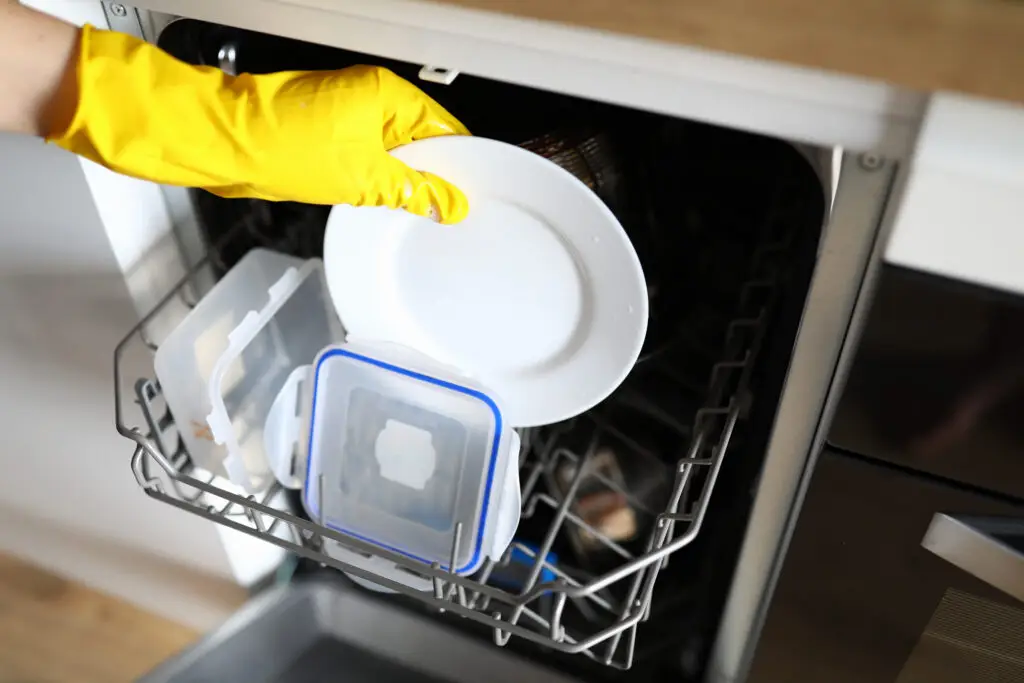
Your dishwasher works hard every day, tackling greasy pans, sticky plates, and food scraps to leave your dishes sparkling clean. But over time, residue from food, soap scum, hard water minerals, and even mold can build up inside the appliance itself. This buildup not only causes unpleasant odors but can also leave your dishes with spots, film, or even tiny food particles. Learning how to clean a dishwasher for spotless dishes is a simple yet essential step to ensure your appliance performs at its best and your kitchen remains hygienic.
Why dishwasher cleaning is important
Many people assume a dishwasher cleans itself as it cleans dishes. This isn’t quite true, and neglecting its internal cleanliness can lead to several problems:
- Spotty or Filmy Dishes: Mineral deposits from hard water and detergent residue can redeposit onto your “clean” dishes, leaving them cloudy, streaky, or with white spots.
- Unpleasant Odors: Food particles can get trapped in the filter, spray arms, and crevices, leading to foul smells that permeate your kitchen.
- Reduced Cleaning Performance: Blocked spray arms, clogged filters, and greasy interiors prevent the dishwasher from effectively washing your dishes, making it work harder and less efficiently.
- Mold and Mildew Growth: The warm, damp environment inside a dishwasher is a perfect breeding ground for mold and mildew, especially around door seals.
- Appliance Longevity: Regular cleaning helps prevent buildup that can stress components and lead to costly repairs down the line, extending the life of your dishwasher.
Signs your dishwasher needs a clean
Your dishwasher will often give you clues when it’s due for a thorough cleaning. Keep an eye out for these indicators:
- Cloudy, Spotty, or Streaky Dishes: This is one of the most common complaints and a clear sign of mineral or detergent residue buildup.
- Foul Odors: A persistent musty, moldy, or rotten food smell emanating from the dishwasher, even when empty.
- Visible Grime/Buildup: You can see food particles, grease, or a white, chalky film on the interior walls, door, or around the seals.
- Poor Drainage: Water remaining at the bottom of the dishwasher after a cycle.
- Tiny Food Particles on Dishes: If dishes aren’t coming out truly clean and still have small bits of food, the filter or spray arms might be clogged.
- Rust Stains: Rust spots inside the tub could indicate mineral deposits reacting with the metal, or chipping enamel.
DIY cleaning routine: Vinegar, baking soda, and more
Here’s a simple, effective DIY cleaning routine using common household ingredients:
Step 1: Empty the dishwasher & initial wipe-down
- Make sure the dishwasher is completely empty of dishes and silverware.
- Use a damp cloth to wipe down the interior door, especially around the edges where grime and food particles often collect.
Step 2: Vinegar rinse (for hard water and grease)
- Place a dishwasher-safe cup filled with 2 cups of white vinegar on the top rack of your empty dishwasher.
- Run the dishwasher on its hottest cycle (e.g., “Heavy,” “Sanitize,” or “Pot Scrubber”). Do not add any detergent. The vinegar will help break down grease, soap scum, and hard water deposits, as well as deodorize.
Step 3: Baking soda boost (for odors)
- After the vinegar cycle is complete, sprinkle 1 cup of baking soda on the bottom of the empty dishwasher.
- Run a short, hot cycle (e.g., “Rinse Only” or “Light Wash”). The baking soda will help absorb any remaining odors and gently scour the interior.
Step 4: Dishwasher cleaning tablets/pod (optional, but effective)
- For an extra boost or deeper clean, you can use a commercially available dishwasher cleaner tablet or pod (like Finish Dishwasher Cleaner or Affresh Dishwasher Cleaner). Follow the product instructions, which usually involve placing it in the detergent dispenser or on the bottom rack and running a hot cycle.
Cleaning spray arms, seals, and filter areas
These often-overlooked components are crucial for your dishwasher’s performance.
- Cleaning the Filter:
- Locate your dishwasher’s filter. This is usually at the bottom of the tub, either a cylindrical filter you twist and pull out, or a flat screen. Consult your owner’s manual if you can’t find it.
- Remove the filter and rinse it under hot running water. Use an old toothbrush or stiff brush and a little dish soap to scrub away any trapped food particles, grease, or debris. This is often where foul odors originate.
- Rinse thoroughly and replace the filter securely.
- Cleaning the Spray Arms:
- Most spray arms can be easily removed by unscrewing a cap or simply pulling them off.
- Inspect the small holes on the spray arms for clogs. Use a toothpick, paperclip, or small brush to clear any blocked holes. This ensures water sprays effectively onto your dishes.
- Rinse them thoroughly and reattach.
- Cleaning the Door Seal (Gasket):
- The rubber gasket around the dishwasher door is prone to collecting food particles, mold, and mildew.
- Use a damp cloth and a mild all-purpose cleaner or a solution of water and vinegar to thoroughly wipe down the entire seal, getting into all the crevices. For stubborn mold, a paste of baking soda and a little water can be applied, left for 10-15 minutes, then scrubbed and wiped clean.
- Don’t forget the bottom edge of the door where water often collects.
Best practices for ongoing maintenance
Regular habits can minimize the need for deep cleaning and keep your dishwasher performing optimally.
- Scrape Plates Before Loading: While not necessary to pre-rinse, scraping off large food scraps before loading dishes prevents them from clogging the filter or spray arms.
- Use the Right Detergent: Ensure you’re using a high-quality dishwasher detergent, and use the correct amount. Too much can cause residue, too little can lead to ineffective cleaning.
- Run Hot Cycles Regularly: The hottest cycle helps to dissolve grease and kill bacteria. If you typically use eco or quick cycles, run a hot cycle occasionally.
- Use Rinse Aid: Rinse aid helps water sheet off dishes, preventing spots and streaks, especially in areas with hard water.
- Leave Door Ajar After Cycle: After the cycle finishes, leave the dishwasher door slightly ajar for a while. This allows moisture to escape, helping the interior dry and preventing mold and mildew growth.
- Monthly Maintenance: Aim to do a quick clean of the filter and a vinegar/baking soda rinse once a month, or more often if you have hard water or use the dishwasher frequently.
Maintaining a clean dishwasher isn’t just about sparkling dishes; it’s about prolonging the life of your appliance and maintaining a healthy kitchen environment. With these simple cleaning tips, you can ensure your dishwasher is always ready to tackle its next load. If you’re looking for comprehensive home cleaning services that go beyond the usual, ensuring every appliance and surface shines, Maid Cleaning For You is here to help!
Ready to enjoy a truly spotless home? Contact Maid Cleaning For You today for a consultation and let us handle all your cleaning needs!