

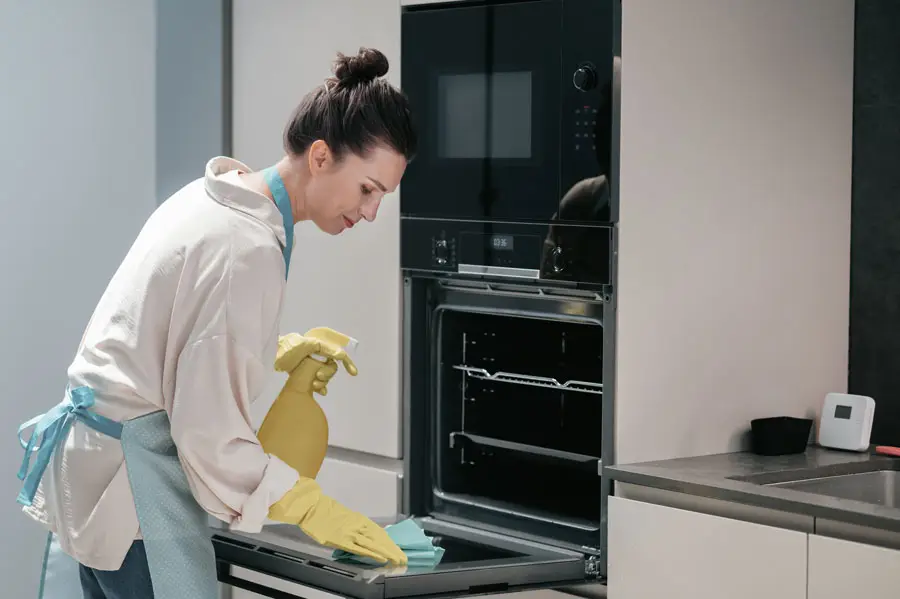
The kitchen is undeniably the heartbeat of every household, serving as the central hub for culinary creativity and family gatherings. However, without a consistent strategy for kitchen maintenance, grease, grime, and clutter can quickly accumulate, turning this sanctuary into a source of stress. Maintaining a pristine cooking environment goes beyond simple aesthetics; it is a fundamental aspect of home hygiene and appliance longevity.
By implementing a few strategic habits, you can transform the daunting task of deep cleaning into manageable steps that ensure your space remains sparkling and functional year-round. Effective kitchen maintenance protects your investment in high-end appliances and cabinetry while ensuring a safe environment for food preparation. This guide will walk you through the crucial steps to master the art of caring for your kitchen.
Why Consistent Kitchen Maintenance Matters
Many homeowners underestimate the cumulative effect of daily wear and tear on their kitchen surfaces and appliances. Proper kitchen maintenance is not just about wiping down counters; it is about preserving the integrity of the materials that make up your home. Fogr instance, neglecting spills on granite or marble can lead to permanent staining, while ignoring crumb buildup in toasters or ovens can create fire hazards.
Furthermore, a well-maintained kitchen operates more efficiently. When refrigerator coils are clean, the unit uses less energy to keep food cold. When dishwasher filters are clear, dishes come out sparkling without a second wash. Therefore, viewing kitchen maintenance as a preventative measure rather than a chore can save you significant money on repairs and replacements in the long run.
8 Ways to Optimize Your Kitchen Maintenance Routine
Developing a systematic approach is the secret to keeping your kitchen in top shape without feeling overwhelmed. By breaking down tasks, kitchen maintenance becomes a seamless part of your lifestyle rather than a weekend-ruining event. Here are eight specific methods to streamline the process and ensure every corner of your kitchen receives the attention it deserves.
1. Master the Art of “Clean As You Go”
The most effective way to handle kitchen maintenance is to prevent the mess from compounding in the first place. Instead of leaving all the cleanup for after the meal, try washing mixing bowls and utensils while the food is cooking. This technique significantly reduces the post-dinner workload. Additionally, wiping up spills immediately prevents them from hardening and becoming difficult to remove later. If you drop a piece of vegetable or spill a drop of sauce, address it instantly. This proactive approach to kitchen maintenance keeps surfaces hygienic and ready for the next use.
2. Implement a Daily Sink Ritual
Your sink is one of the most used features in the room and a critical focal point for kitchen maintenance. Bacteria thrive in moist environments, making the sink a potential hotspot if not cleaned nightly. Make it a habit to scrub the sink with a mild abrasive or soap and warm water at the end of every day. Dry the faucet and handles to prevent water spots and mineral buildup. Furthermore, do not neglect the garbage disposal if you have one. Running a few lemon peels through it occasionally can keep it smelling fresh, which is a small but satisfying detail of kitchen maintenance.
3. Manage Your Waste Systems
Trash and recycling bins are often overlooked in general kitchen maintenance discussions, yet they are major contributors to odors and pests. Emptying the trash daily is a good start, but the bins themselves require attention. Wipe down the lids and exterior of the cans weekly to remove food splatters. Once a month, take the bins outside or into the bathtub for a deep scrub with disinfectant. Ensuring your waste disposal areas are clean is a vital component of overall kitchen maintenance and hygiene.
4. Care for Your Countertops Correctly
Different materials require different care strategies, and knowing yours is essential for proper kitchen maintenance.
- Granite and Stone: Use a pH-neutral cleaner to avoid stripping the sealant. Avoid acidic homemade cleaners like vinegar on these surfaces.
- Laminate: These are durable but can be scratched. Use soft cloths and mild detergents.
- Butcher Block: These require periodic oiling to prevent drying and cracking.
- Quartz: While non-porous, it is still best to avoid harsh chemicals. By tailoring your cleaning agents to your specific surfaces, you ensure that your kitchen maintenance efforts extend the life of your countertops rather than shortening it.
5. Prioritize Floor Care
Gravity ensures that everything eventually lands on the floor, from crumbs to grease droplets. Effective kitchen maintenance must include a rigorous floor care routine. Sweep or vacuum daily to remove abrasive particles that can scratch wood or tile. Mop weekly with a cleaner appropriate for your flooring type. Pay special attention to the corners and the spaces underneath the cabinet toe-kicks, as these are magnets for dust bunnies. A clean floor anchors the room and gives the entire space a polished look, reinforcing the effectiveness of your kitchen maintenance.
6. Deep Clean the Refrigerator Coils and Seals
While wiping shelves is common, true kitchen maintenance involves the mechanical parts of your fridge. Dust and pet hair can accumulate on the condenser coils, usually located at the back or bottom of the unit. When these coils are dirty, the refrigerator must work harder to release heat, which can shorten its lifespan and increase your energy bill. Use a vacuum attachment to gently clean these coils every six months. Additionally, inspect the rubber door gaskets. Clean them with warm soapy water to ensure a tight seal. This aspect of kitchen maintenance is often invisible but is crucial for efficiency.
7. Maintain Ventilation and Range Hoods
A functional ventilation system is vital for air quality and reducing grease buildup on cabinets. The metal mesh filters in your range hood trap airborne grease and require regular cleaning. If these are clogged, the fan cannot exhaust smoke and odors effectively. Most filters are dishwasher safe, or they can be soaked in hot water with a degreaser. Include this in your monthly kitchen maintenance schedule. Furthermore, wipe down the exterior of the hood to prevent dust from sticking to the grease, keeping the focal point of your cooking area looking sharp.
8. Revitalize Cabinets and Hardware
Cabinets often bear the brunt of greasy fingerprints and steam, yet they are frequently ignored in routine kitchen maintenance. Over time, a sticky film can develop, particularly on cabinets near the stove. To combat this, mix a solution of warm water and a grease-cutting dish soap. Use a microfiber cloth to wipe down the doors and drawer fronts, following the grain of the wood. Dry them immediately with a clean cloth to prevent water damage. Additionally, check the hardware by tightening loose knobs or hinges. This step in kitchen maintenance revives the luster of your cabinetry and ensures everything functions smoothly.
Strategies for Cleaning Inside Oven and Fridge
While the eight steps above cover the structural and daily aspects, specific appliances require a focused deep dive. Cleaning inside oven and fridge compartments is often procrastinated because it feels like a heavy-duty task. However, integrating this into your broader kitchen maintenance plan makes it manageable.
The Refrigerator Interior
Your refrigerator is the most hardworking appliance you own, running 24/7. Proper kitchen maintenance for the fridge involves both hygiene and organization. Start by emptying one shelf at a time. Check expiration dates and discard anything that is past its prime. Wipe down the shelving with a solution of baking soda and water, which cleans without leaving a chemical scent that could be absorbed by food. Don’t forget the drawers; remove them completely to wash them in the sink. Regularly cleaning inside oven and fridge units not only improves performance but also ensures that your food is prepared and stored in a sanitary environment.
Tackling the Oven
A dirty oven can smoke, smell, and even alter the taste of your food. Therefore, oven care is a non-negotiable part of kitchen maintenance. If you have a self-cleaning function, use it, but be aware that it can strain the appliance’s heating elements. For a gentler approach, mix a paste of baking soda and water. Spread it over the interior surfaces, avoiding the heating elements, and let it sit overnight. The next day, spray vinegar over the paste to create a foaming action that lifts grease. Scrub away the residue for a chemical-free shine. This method is safe, effective, and a cornerstone of eco-friendly kitchen maintenance.
The Hidden Spots: Drains and Grout
Comprehensive kitchen maintenance involves looking at the areas that are not immediately visible. Grout lines on backsplashes and tile floors are porous and absorb stains easily. To keep them looking fresh, apply a grout sealer once a year. For cleaning, a paste of baking soda and hydrogen peroxide can work wonders on dingy grout. Furthermore, keep an eye on your drains. Slow drainage is a sign of buildup. Pouring boiling water down the drain weekly is a simple kitchen maintenance trick to melt away grease before it solidifies and causes a blockage. Addressing these hidden areas ensures that your kitchen functions as beautifully as it looks.
Establishing a Routine for Long-Term Success
The ultimate goal of kitchen maintenance is consistency. Creating a schedule can help you stay on track without having to rely on memory. Divide tasks into daily, weekly, monthly, and seasonal categories.
- Daily: Wipe counters, do dishes, sweep floors, wipe sink.
- Weekly: Mop floors, wipe appliances, clean out the fridge of old leftovers.
- Monthly: Clean dishwasher filter, scrub trash cans, wash range hood filters.
- Seasonal: Deep clean oven, seal grout, clean behind the fridge. By adhering to a schedule, kitchen maintenance becomes a predictable rhythm rather than a chaotic intervention.
Moreover, involve the whole household. Kitchen maintenance should not fall on one person’s shoulders. Teach family members to rinse their own dishes or wipe the counter after making a sandwich. Shared responsibility lightens the load and instills good habits. Remember, the effort you put into kitchen maintenance pays off in a home that feels welcoming, smells fresh, and functions perfectly. For more detailed guidelines on food safety and hygiene in the kitchen, you can refer to the CDC’s guidelines on food safety.
The Heart of Your Home
Ultimately, the state of your kitchen sets the tone for the rest of your house. A clean, organized space invites creativity and fosters connection. Through diligent kitchen maintenance, you are doing more than just cleaning; you are curating an environment where memories are made. Whether it is cleaning inside oven and fridge crevices or simply wiping down the island after breakfast, every action contributes to the overall well-being of your home. Embrace these kitchen maintenance practices, and enjoy the peace of mind that comes with a truly spotless sanctuary.